The Importance of Supporting Local Tourism
Local tourism looks boring to those hypnotized by cheap flights and glossy foreign beaches. That judgment misses the point. A trip across town can punch harder than a trip across an ocean. Money spent near home does not evaporate into distant corporate accounts. It circulates. It feeds the diner on the corner, the small museum, the struggling guide who knows every alley. This kind of travel protects memory, jobs, and streets from becoming identical copies of everywhere else. It also trains residents to see their own place as worthy of curiosity, not just something to escape.
Money That Stays Put
Tourists chase bargains, then act shocked when their favorite places close. Local trips fix that problem. Every ticket, meal, and souvenir becomes fuel for neighborhood businesses. The cash bounces from hotel staff to grocer to mechanic. That cycle builds resilience when bigger shocks hit. Multinational chains love one thing. Extraction. They strip profit and centralize it far away. Local tourism cuts into that pattern. It rewards places that actually care if the town still exists in ten years. Regular nearby visitors also flatten slow seasons, which often crush small operators long before anyone notices.
Culture Without a Costume
People talk about authentic culture like it is a museum exhibit. Static. Safe. Behind glass. Local tourism breaks that illusion. A visitor eats where residents eat, listens where residents argue, laughs where residents gossip. The stories come unfiltered. No staged dance, no script tuned for foreign wallets. That exposure defends accents, recipes, and festivals from slow erosion. When residents see others value their ordinary habits, confidence grows. Culture stops shrinking for the comfort of outsiders and starts breathing on its own terms. Children watch this attention and realize their grandparents’ habits are not embarrassing. They are inheritance.
Greener Trips, Sharper Awareness
Global tourism burns fuel like there is no tomorrow. There might not be. Local trips cut distance. Shorter journeys mean fewer emissions, quieter roads, and less pressure on fragile destinations already drowning in visitors. Something else happens. Proximity sharpens responsibility. Trashing a river two states away feels abstract. Polluting the creek near the childhood park hits differently. Local travelers witness the cost of carelessness. That awareness turns into pressure on businesses and officials to protect nearby parks, trails, and historic streets. Green habits built close to home often follow travelers when journeys stretch farther.
Stronger Communities Through Curiosity
Travel often gets sold as escape. Local exploration flips it into engagement. People visit the neighboring district and realize the faces there are not just headlines or stereotypes. That contact reduces fear. Small talk with a gallery owner or street vendor grows into trust. Events gain volunteers. Local guides find new respect for their knowledge. When crises arrive, those loose ties suddenly matter. Residents know who needs help and who can offer it. Tourism shifts from distraction into quiet civic infrastructure. Curiosity turns into informal safety nets that spreadsheets never capture yet everyone feels.
Local tourism rarely trends on social media, which probably means it matters more than advertised. It keeps cash rooted, culture unsanitized, and emissions lower. It pulls residents out of narrow routines and forces contact with neighbors who felt distant. Cities that treat their own people as welcome guests design better streets, transit, and public spaces. That improvement attracts outside visitors anyway. Support for nearby attractions does not shrink the world. It prepares communities to face it without losing themselves. The habit of exploring home first sets a baseline for respect everywhere else.
Photo Attribution:
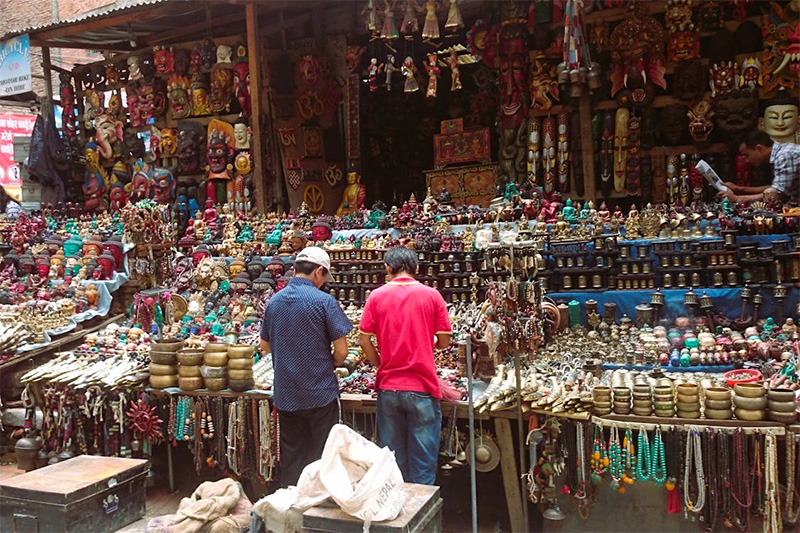
1st & featured image by https://www.pexels.com/photo/colorful-souvenir-shop-in-kathmandu-s-thamel-28837977/
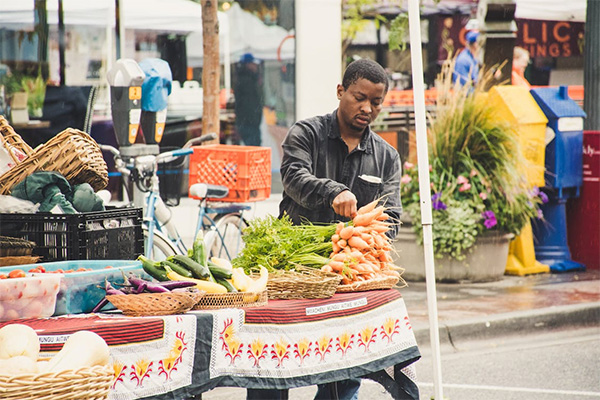
2nd image by https://www.pexels.com/photo/man-standing-beside-table-with-vegetables-near-buildings-1635330/