The Art of Eating Well on a Long Flight
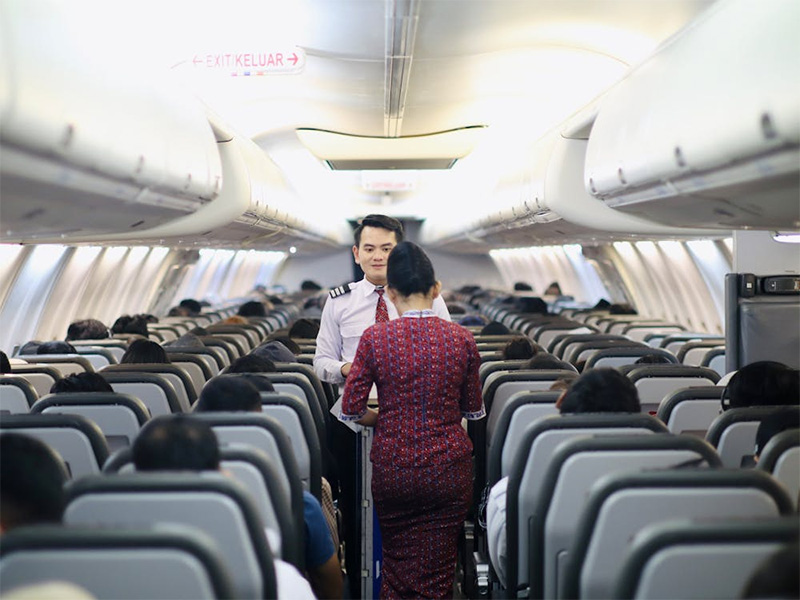
Airlines love calling it a journey, as if cramped knees and recycled air equal spiritual growth. Long flights don’t transform anyone; they expose habits. Food turns into the great decider. Eat like a bored raccoon, feel like cargo. Eat with a bit of strategy, arrive like an actual functioning human. And no, this doesn’t require quinoa enlightenment or smug wellness rituals. It just demands conscious choices and a tiny bit of planning. So the cabin becomes a tiny lab where energy, digestion, mood, and sanity rise or crash with every bite and sip.
Start Before Reaching the Airport
Good in-flight eating begins hours before the boarding stamp. That pre-flight meal either saves the day or sabotages it. Heavy burgers and greasy fries? That’s basically signing a contract with bloat. And endless airport pastries don’t help. Aim for real food: protein, fiber, moderate fat. So something like grilled chicken, beans, vegetables, maybe rice. Nothing that swims in oil or sugar. And don’t arrive starving. A steady appetite beats desperation, because desperation buys the saddest sandwich at the loudest gate in the terminal, then regrets every single rushed, rubbery bite later.
Choose the Lesser Evil in the Sky
Airline meals rarely impress, but strategy still wins. When a tray arrives, treat it like a negotiation, not a fate. The protein and vegetables usually deserve first attention. The heavy cream sauce, mystery dressing, and extra white bread? Those belong in the no-thank pile. And desserts often look better than they feel an hour later. So eat until comfortably satisfied, not sedated. People love blaming jet lag for feeling awful, while a sodium bomb of a meal quietly stages the real coup inside their gut and brain, turning alert travelers into cranky zombies.
Hydration Without the Hysteria
Everyone parrots the hydration sermon on flights, then chases it with endless coffee and wine. Cabin air sucks moisture from skin and sinuses, so water matters, but not as a performance. Sip steadily instead of chugging an entire bottle at once. And balance caffeine; it sharpens the brain briefly, then taxes it. Alcohol turns the cabin into a dehydration chamber, with snoring as a bonus symptom. So one drink at most, if any. The body already fights altitude, dryness, and immobility; no need to ambush it further with jitter juice and liquid courage.
Smart Snacking Beats Sad Grazing
Snacks decide the second half of a long flight. People who pack nothing usually end up worshiping the cart of processed salt and sugar. So pack snacks with clear jobs. Nuts handle hunger and steady energy. Fruit handles sweetness without a crash. And simple crackers or oat bars calm an uneasy stomach. Avoid sticky, crumbly, or smelly foods that turn seatmates into enemies. The goal isn’t constant chewing; it’s control and comfort. A planned snack every few hours beats mindless grazing from boredom, habit, and vague emotional turbulence at thirty thousand feet.
Good in-flight eating doesn’t chase perfection; it chases control. The cabin strips away illusions about habits, leaving only cause and effect. Eat heavy, drink hard, and pretend it’s vacation rules, and the body sends the bill at baggage claim. Eat light but satisfying meals, pick the sane parts of airline trays, respect water, and pack honest snacks, and the body actually cooperates. So long flights stop feeling like punishment and start looking more like a mildly strange office day, just with clouds outside instead of parking lots and blaring horns.
Photo Attribution:
1st & featured image by https://www.pexels.com/photo/airline-crew-serving-passengers-on-flight-32829123/
2nd image by https://www.pexels.com/photo/a-plane-is-taking-off-from-an-airport-18454167/