Sustainable Tourism Practices for Modern Travelers
Tourism used to sell itself as pure escape. Sun, sand, selfies, repeat. That story now sounds childish, because travel leaves fingerprints. Planes burn fuel. Hotels gulp water. A “quick” weekend in a fragile city can shove rents upward and push locals outward, a slow-motion eviction disguised as fun. Sustainable travel isn’t a guilt trip. It’s basic competence. Modern travelers claim sophistication, then act surprised when a coral reef dies after a decade of sunscreen slick and boat traffic. The grown-up approach asks harder questions. Who gets paid. Who gets displaced. What gets damaged. A trip can still feel indulgent while behaving like it belongs on a crowded planet.
Choose Transportation Like It Matters
Transportation dominates the footprint, and pretending otherwise counts as magical thinking. Flying often makes the biggest dent, so fewer flights beat clever packing tips every time. Favor longer stays in one place instead of hopscotching across three countries in seven days. Trains and buses do real work here, and they force a slower tempo that cities can actually absorb. When a flight makes sense, pick economy and fly direct. Carbon offset programs range from honest to theatrical, so check whether projects publish audits and timelines. The point isn’t purity. The point is refusing the lazy default.
Sleep, Eat, Spend With Local Gravity
Money acts like gravity. It pulls either toward communities or away from them into distant corporate accounts. Lodging choices decide a lot. Locally owned hotels, guesthouses, and cooperatives keep wages and purchasing nearby. Big chains can behave responsibly, yet many still treat neighborhoods as scenery. Food works the same way. Eat where locals eat, not where cruise crowds swarm. Order regional staples instead of demanding strawberries in winter. Respect water and energy in the room. Short showers. Lights off. Towels reused.
Respect Places Like Living Systems
A destination isn’t a theme park. It breathes. It breaks. It remembers. Overtourism doesn’t arrive with villain music. It arrives with millions of small choices that seem harmless in isolation. Stick to marked trails. Don’t feed wildlife. Don’t buy souvenirs made from coral, shells, rare woods, or anything that required an ecosystem to die for a trinket. Cultural respect counts as environmental respect’s close cousin. Dress codes at temples exist for reasons, and photography rules exist because not every face wants to become content. Visit popular sites at off-hours. Pick lesser-known alternatives. Spread demand across time and space.
Pack Light, Waste Less, Ask Better Questions
Packing looks personal, yet it shapes waste streams in brutal ways. Single-use plastics love tourism because tourists love convenience. Bring a refillable bottle, a small filter when needed, and a tote that replaces disposable bags. Skip miniature toiletries and use solid bars or refillable containers. Sunscreen matters, too. Reef-safe claims sometimes drift into marketing fog, so look for mineral-based formulas and follow local guidance. Then comes the habit that separates serious travelers from consumers in costume. Ask questions. Does a tour operator cap group size. Do they pay guides fairly. Do they respect wildlife distance rules. If answers sound rehearsed, walk away.
Sustainable travel doesn’t demand sainthood. It demands adult priorities. The modern traveler already knows how to compare prices and hunt for “hidden gems.” That same skill can screen for trains instead of short flights, for locally rooted businesses instead of extractive ones, for experiences that don’t treat residents as props. Small actions stack up, and the stack becomes policy pressure when enough visitors reward good behavior. Governments notice. Operators adapt when revenue shifts. The travel industry loves glossy slogans, yet real progress looks unglamorous. Fewer miles. Longer stays. Less trash. More respect. A trip should leave stories, not scars. The planet can handle curiosity. It can’t handle carelessness dressed up as adventure.
Photo Attribution:
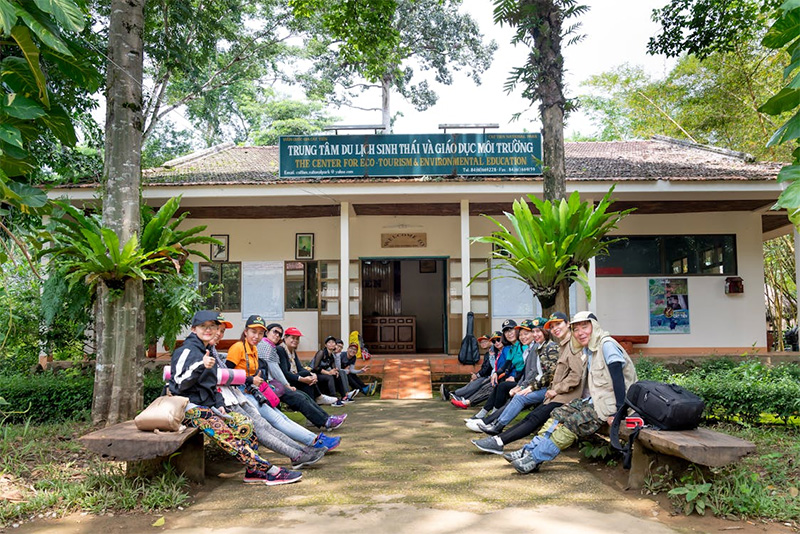
1st & featured image by https://www.pexels.com/photo/group-of-asian-tourists-sitting-on-benches-before-hiking-5118527/
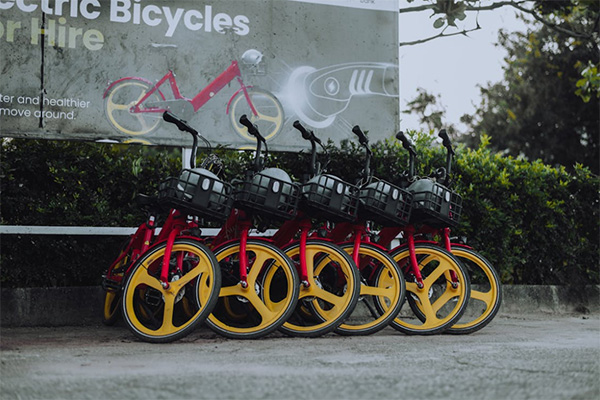
2nd image by https://www.pexels.com/photo/row-of-electric-bicycles-for-hire-outdoors-34259660/