The Joy of Slow Travel Through Italy
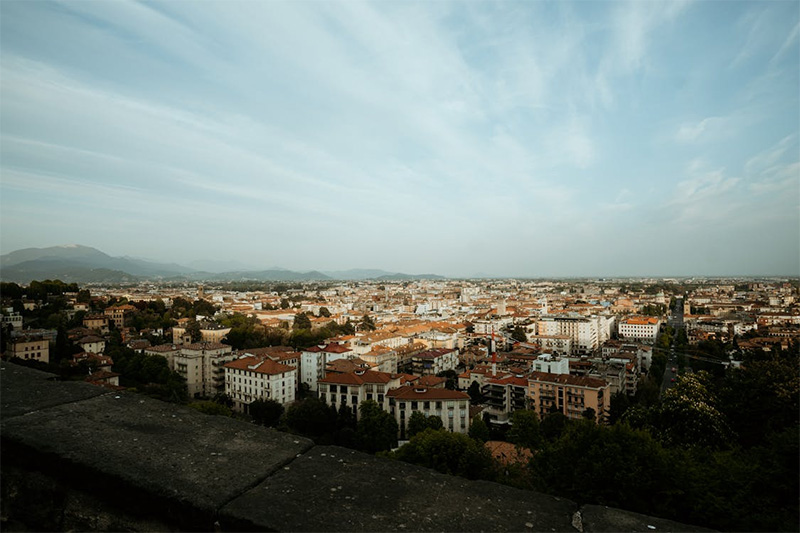
Speed ruins perception. Trains get treated like bullets, highways like victory laps, checklists like sacred texts. Italy punishes that kind of bragging. Not with cruelty, with comedy. A museum closes for lunch. A barista refuses to hurry. A tiny town refuses to “have attractions” and yet somehow becomes the best afternoon of the entire trip. Slow travel isn’t a cute trend here. It’s the only way the place makes sense. Italy runs on intervals. Bells, espresso, shadow, sun, the sudden hush before a church door swings open. Trying to race through that rhythm makes a traveler loud, and not in the charming way.
Trains, Not Trophies
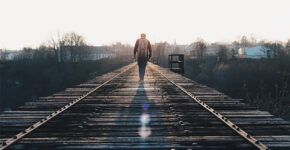
The great lie of modern tourism says movement equals achievement. Italy answers with a timetable and a shrug. Taking trains, especially the ordinary ones, forces patience. Stations smell like stone and pastry. People watch each other without apology. A slow traveler stops treating transit as dead time and starts treating it as study. The local line that pauses at towns nobody outside the region can pronounce teaches that “between” matters. One hour can hold a conversation overheard, a hillside seen through dirty glass, a sudden rain that turns tile roofs black and glossy. Trophies come from sprinting. Memory comes from waiting.
Lunch Is a Border Control
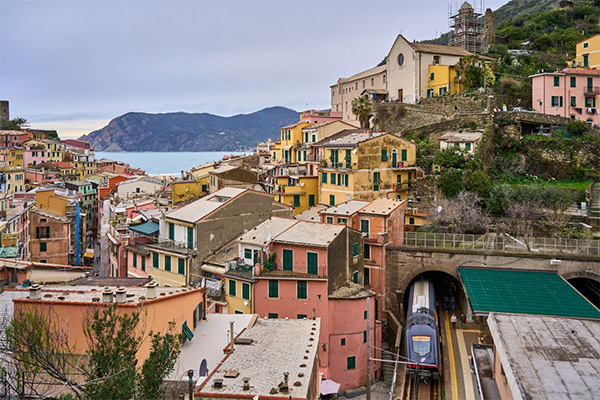
Italy enforces lunch the way other countries enforce customs. Doors close. Kitchens reset. Streets thin out. A rushed traveler panics and calls it inconvenient. A slow traveler learns the trick. Eat when people eat. Sit when people sit. Let the afternoon stretch. This isn’t just about food, although the food makes surrender easier. It’s about accepting the local clock, which doesn’t care about an itinerary app. A long lunch in a small trattoria does more cultural work than a dozen frantic museum rooms. The waiter doesn’t hover. Conversation expands. The day stops acting like a chase.
The Small Towns Win Every Time
Big cities in Italy deliver spectacle with professional ease. Rome performs. Florence performs. Venice performs. The shock comes later, in places that don’t perform at all. A hill town in Umbria at 4 p.m. offers worn stairs, shuttered windows, and one old man with a dog who looks like he has seen every century personally. That’s the point. Slow travel makes room for towns that don’t advertise themselves. The reward comes through tiny encounters. A bakery that sells out by noon. A church with odd hours because a volunteer holds the key. A view that appears after the wrong turn. Wrong turns become the curriculum.
Rituals Beat Attractions
Tourism worships attractions. Italy worships rituals. Coffee at the bar, standing up, fast but not hurried. The evening walk when the heat breaks and everybody reappears, dressed better than expected, as if style counts even when nothing “important” happens. Markets run like theater, with shouting and jokes and ruthless judgment of tomatoes. Slow travel means returning. Same café two mornings in a row. Same bench at sunset. The owner begins to recognize a face and stops treating the interaction like a transaction. Attractions create consumers. Rituals create temporary residents. Italy rewards that shift with warmth that can’t be bought.
Slow travel through Italy doesn’t mean doing less. It means doing fewer things with a sharper mind. The country offers endless content, yes, but content isn’t the prize. The prize is calibration. A traveler learns to match pace to setting, to stop demanding constant stimulation, to accept that some of the best hours look boring on paper. That lesson spreads. It changes how a person listens, eats, and moves through any city back home. Italy understands that pleasure needs time, like dough rising, like a sauce reducing, like a conversation getting past politeness into something true.
Photo Attribution:
1st & featured image by https://www.pexels.com/photo/captivating-aerial-view-of-italian-cityscape-36370031/
2nd image by https://www.pexels.com/photo/scenic-view-of-vernazza-cinque-terre-italy-31372124/