Rainy Day Travel Without Wasting a City
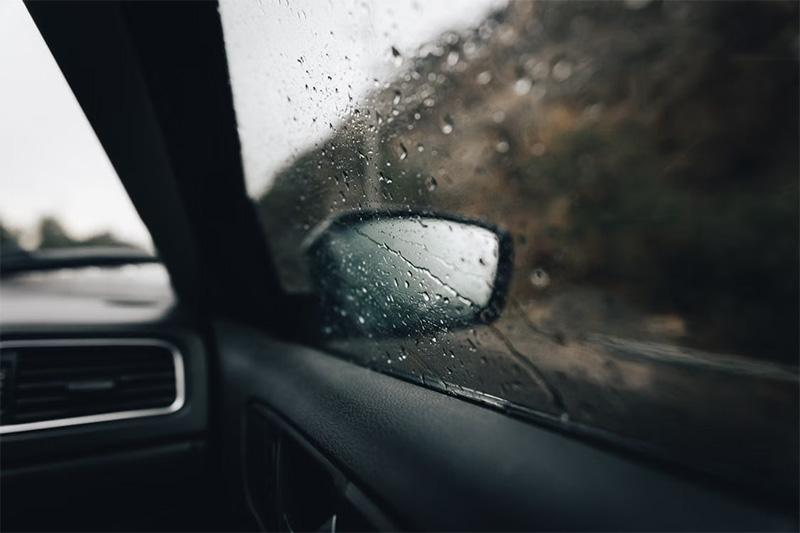
Rain changes a city, but it does not cancel it. Tourists often act as if gray skies have stolen the ticket price. That habit ruins more trips than bad transit or overpriced coffee. A wet day strips a city of performance and exposes its bones. Streets thin out. Cafes grow louder. Museums stop feeling like chores and start acting like shelters for the curious. Good travel never depended on perfect weather. It depended on attention, timing, and a refusal to confuse inconvenience with defeat. Rain asks for a different method.
Start Indoors
The first mistake on a rainy day comes early. People stall in a hotel lobby, stare at radar maps, and waste the morning. That is absurd. A wet day rewards decisive indoor starts. Pick one anchor place with depth, not three shallow attractions stitched together by soggy walking. A serious museum, a market hall, a grand library, an aquarium, a historic station. One strong interior can carry half a day without strain. The point is concentration. Rain narrows the field and improves judgment. Sunlight tempts tourists into collecting.

Walk Short
Rain does not ban walking. It edits it. Too many travelers think in all-or-nothing terms. If the day cannot support a long wander, they do nothing. Ridiculous. A city often reveals more in three deliberate blocks than in two dry hours of aimless marching. Take short outdoor runs between meaningful stops. Bookstores, old cafes, church vestibules, covered passages, transit halls. The pavement shines. Traffic hisses. Lights bounce off puddles like accidental art. The traveler who slows down under an umbrella starts seeing thresholds, not landmarks. Doors matter. Windows matter. A city under rain stops posing and starts confessing.
Eat Better
Bad weather wrecks weak food plans. That sounds harsh because it is harsh. A rainy day exposes whether a traveler chose restaurants from hunger, curiosity, or algorithmic laziness. This is when long lunches earn their reputation. Find a place where locals actually linger. Order something hot, regional, and mildly impractical. Soup, stew, dumplings, noodles, roasted fish, thick bread, strong coffee. Then stay put. Watch who comes in drenched, who shakes out coats, who eats fast because work allows no romance. Every city tells the truth through appetite. Covered markets help too. A stall holder wrapping pastry while rain knocks on the roof teaches more than ten plaques on old buildings.
Ride the System
Public transit on a rainy day deserves more respect than it gets. Travelers often treat buses and subways as dead time between attractions. That view misses the whole machine. Rain drives a city inward, into trains, trams, ferries, and stations. Suddenly the circulation system becomes visible. Ride a streetcar to the end of the line. Sit on the upper deck of a bus if one exists. Take a ferry just to watch the skyline blur and return. Station etiquette, soggy umbrellas piled by doors, advertisements aimed at residents rather than visitors. Motion becomes the attraction. The city does not stop in rain. It reveals how it keeps going.
A rainy day does not steal a destination unless a traveler hands it over. That is the blunt truth. Cities are not amusement parks powered by sunshine. They are systems of shelter, movement, appetite, memory, and improvisation. Rain sharpens every one of those things. It cuts out the lazy checklist and forces better choices. Fewer stops. Better stops. Longer meals. Smarter walks. More looking, less collecting. Some of the strongest travel memories come from weather that refused to cooperate. The soaked avenue, the warm bakery window, the tram ride that turned into an accidental lesson in local life. None of that counts as ruined time.
Photo Attribution:
1st & featured image by https://www.pexels.com/photo/a-wet-side-window-of-a-car-seen-from-the-inside-15977286/
2nd image by https://www.pexels.com/photo/child-engaged-in-educational-activity-in-classroom-31864406/
-
 Last Minute Trips Can Still Happen. Here’s What You Need to Do
-
 Safety Tips When Using Ride Sharing Apps Abroad
-
 Questions to Ask Yourself Before Leaving Hotel and Restaurant Reviews
-
 Ways to Avoid Spending a Lot During a Lockdown and Save for Future Trips
-
 Essential Tips when Traveling the Trans-Siberian Railway for the First Time

