Cultural Etiquette Navigating Traditions Across Continents
Etiquette tosses out the map the moment a new continent comes into play. Bow respectfully in Tokyo and the hosts nod, recognizing formality. Unleash the same bow in central Milan, and confusion flickers across faces, laughter not far behind. Manners do not just float in the air. They slam down hard, dressed as ordinary greetings but packed with unspoken rules. Embarrassment lurks for those who guess wrong, from a limp handshake to skipping the right hello. Beneath the surface, social posturing never really stops. What this truly signals is that societies don’t tolerate freelancing. Rituals rule. Missing the local code? Only the deeply arrogant take that risk.
The Silent Language of Greetings
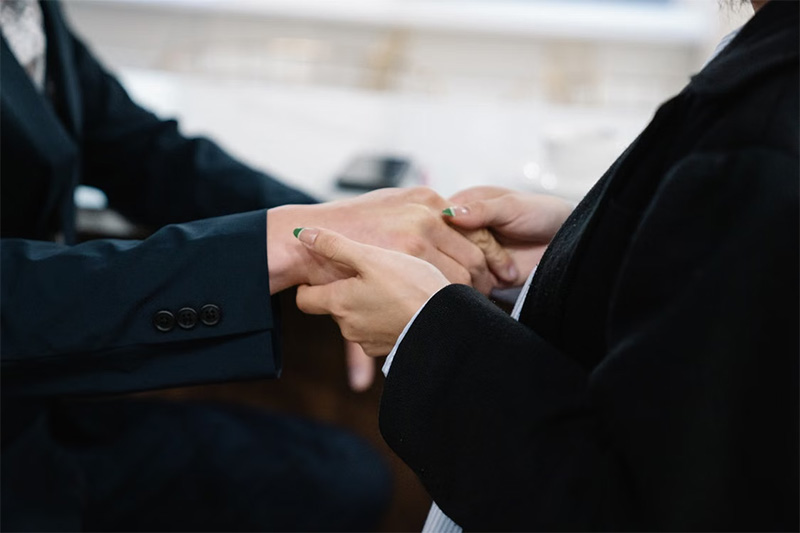
A meeting opens in Nebraska. The handshake is brief. Eyes lock. There’s no patience for ambiguity. Now cross to India. Here, palms touch, a quiet head tilt, and the word “Namaste” sets the mood. Foreigners rush, sometimes blundering in, grasping hands before the locals give the signal. In regions of France, cheek kisses act as the password, never random, always counted, totally non-negotiable. Stroll into Seoul and try hugging outside a tight circle, awkwardness guaranteed. The script is complex, knotted together by habit, respect, social rank. Fail to read those first beats, and everything after turns sideways. Greetings decide who fits in and who gets quietly left outside.

The Art of Dining: Rituals at the Table
Watch the table in any country. Rules don’t hide. They jump out, each bite loaded with old meaning. In Tokyo, loud noodle slurping shows respect, while London diners freeze at that noise, hearing only rudeness. Use a tortilla as a tool in Mexico and everyone nods along. Try sticking chopsticks upright in rice in Japan and jaws drop, the message: death, not dinner. Americans pour their own drinks, no fuss. In China, hosts race to refill, never letting a guest dry out. Ignore a meal offer in Morocco, and trust frays at the edges. Meals separate those who understand from those floundering in the dark.
Gestures That Speak Volumes
A thumbs-up wins grins in one place, provokes curses in another. Italy’s loose wrist and upward sweep means ‘What are you even thinking?’, try it elsewhere and risk baffles or outright offense. Beware the beckoning finger in the Philippines, which signals disrespect rather than invitation. Even nods suffer from cultural schizophrenia. Bulgaria’s ‘no’ head shake means ‘yes’. Americans nod with agreement. Greeks do it for dismissal. This confusion isn’t accidental. Gestures broadcast identity, inclusion, and exclusion like radio waves. Lose track and the whole conversation collapses. Hands speak nearly as loudly as words, and much less forgiving of mistakes.
Dress Codes and Public Behavior
Shoulders bare in southern Spain? Not a problem. The same, in rural Middle Eastern towns, telegraphs arrogance or indifference to local norms. Shoes, the silent culprit, step inside a Scandinavian home without removing them, and the host’s barely concealed horror answers everything. In some places, laughter in public indicates joy and community. In others, it marks social cluelessness. Clothing isn’t mere fabric. It’s storytelling, compliance, rebellion. Ignore dress codes, and the community judges not just the clothes, but the respect shown toward shared values. Every society hangs big meaning on small decisions, public silence or chatter, fabric or skin, all loaded with consequence.
Some chase a universal code, yet etiquette refuses to flatten itself into sameness. It’s alive, capricious, and always territorial. Travel reveals this in sharp relief. Tourism fantasies collapse under real expectations, demanding effort, research, humility. Those who treat cultural practices as checklists miss the slippery, stubborn individuality at work. There’s no shortcut. Genuine curiosity and attention, not performed politeness, matter most. The world rewards those who absorb, who adapt, who make mistakes and recover with grace. Respect isn’t proven by perfection, but by trying, and by knowing each custom carries a history louder than words. That history waits to teach anyone willing to listen.
Photo Attribution:
1st & featured image by https://www.pexels.com/photo/holding-hands-in-office-7964370/
2nd image by https://www.pexels.com/photo/a-man-and-woman-doing-high-five-7302899/