Seoul After Midnight
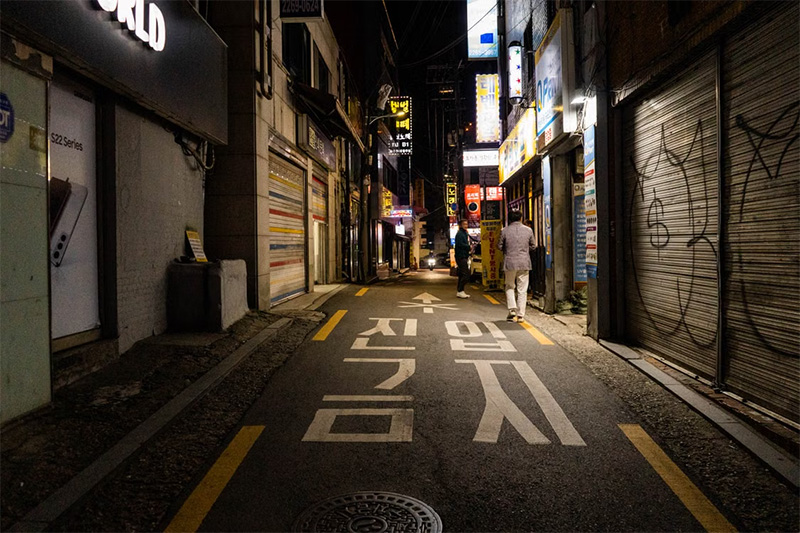
Midnight changes cities. Some places shrink into silence. Seoul does the opposite. It stretches and glows harder. Daylight sells efficiency, polished transit, office towers, students in motion, and a national obsession with speed. Night peels that mask back. What appears then is not chaos, though chaos hovers nearby. Convenience stores become tiny theaters. Alleyways hold laughter, cigarette smoke, spilled beer, and fried food in the same cramped breath. The city doesn’t sleep because sleep would interrupt its performance. That fact says more about modern urban life than a shelf of sociology ever could.
Neon Pulse
Light runs the show after midnight. Not sunlight. Neon, LED glare, storefront spill, traffic signals on wet pavement. Seoul understands a hard truth. Artificial light doesn’t just reveal a city. It edits it. Faces look sharper. Streets seem cleaner from a distance and messier up close. Districts like Hongdae and Gangnam throb with signs stacked on signs, each one fighting for attention. This is capitalism with insomnia. It flashes, tempts, and refuses stillness. A person walking there at 1:30 a.m. doesn’t just see commerce. A person sees desire made electrical.
Streets That Eat
Night hunger in Seoul isn’t a side note. It’s a rule. The city feeds people late because the city assumes life keeps going late. That single assumption separates serious urban culture from dull municipal fantasy. Tteokbokki, fried chicken, ramyeon, skewers, hot broth, convenience store snacks that taste better under fluorescent light. Food arrives fast, hot, and often in places too small for vanity. Office workers loosen ties. Students regroup. Couples linger. Solitary diners stare at phones and slurp noodles with grave focus. A city that eats at 2:00 a.m. admits what many cities hide. People need comfort as much as productivity.
The Quiet Between
Noise dominates the foreign imagination, yet the striking thing about Seoul late at night is how often quiet slips in. Turn one corner after the music and chatter, and there it is. A narrow lane. Apartment windows dark except for one blue television glow. The low hum of distant traffic. This contrast gives the city its bite. Constant excitement would flatten into parody. Seoul avoids that trap because it keeps pockets of stillness inside density. Those stretches reveal the emotional truth of the place. Beneath the speed and brightness sits fatigue, discipline, loneliness, ambition, and a stubborn form of endurance.
Insomnia Machine
Late-night Seoul also shows the machinery behind the spectacle. Delivery scooters cut through streets with precision. Taxi lines form and dissolve. Convenience stores keep watch like secular chapels of the urban age, stocked with snacks, chargers, drinks, and small repairs for tired bodies. This isn’t romance alone. It’s labor. Someone cleans the karaoke room. Someone fries another batch of chicken. Someone sorts boxes in a back alley while a rooftop bar sells freedom in measured pours. That split defines the city. Pleasure at the surface. Work underneath, relentless and unsentimental. Seoul shines at night because countless people keep feeding the engine.
A midnight city reveals what daylight marketing tries to control. Seoul reveals hunger, polish, youth, fatigue, money, loneliness, discipline, spectacle, and stamina all at once. Few places hold those forces together with such confidence. Nothing about the place feels simple, yet almost everything feels practiced. The late hours expose a culture that prizes momentum and knows the cost of it, even when the music stays loud and the food keeps coming. Anyone searching for a sleepy postcard will miss the point. The truer image waits under convenience store lights, in side streets after last call, where the city keeps moving because stopping would feel less honest.
Photo Attribution:
1st & featured image by https://www.pexels.com/photo/narrow-street-in-city-at-night-18468227/
2nd image by https://www.pexels.com/photo/sign-board-of-a-motel-9408443/
-
 Travel Safety Tips – Don’t Be a Victim of Theft. You Should Follow Tip Number 4!
-
 Solo Travel Confidence for Nervous Beginners
-
 Tips for Expats Who Got Stuck in Another Country During the Pandemic
-
 Desert Adventures: Sand Dunes and Beyond
-
 5 Best Places to Visit in the US This Fall that You’ll Surely Enjoy

