Discovering the Ancient Stone Towns of Oman
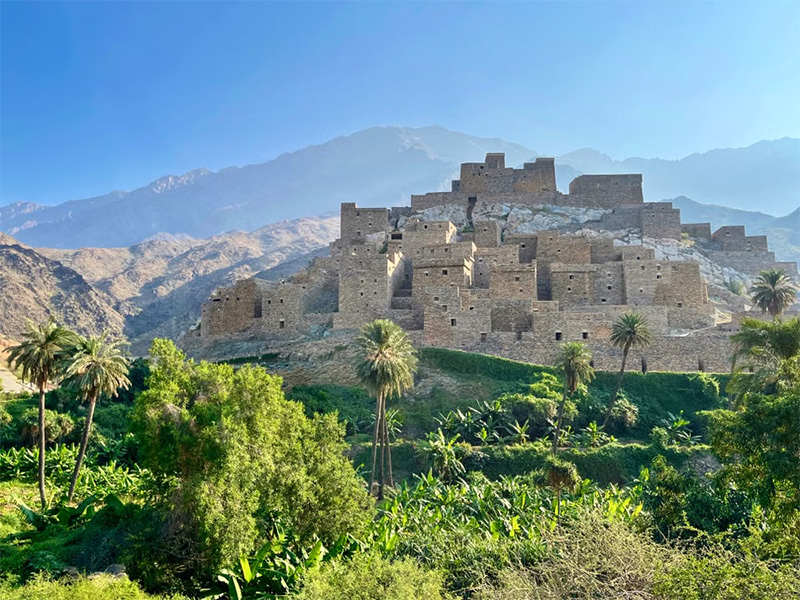
Oman doesn’t advertise its history with gaudy spectacle. It doesn’t need to. The country keeps its age in stone, in mountain villages pressed against cliffs, in abandoned lanes, in towers watching over dry valleys. This is architecture as memory. Rough, sunburned, cracked, and stubborn. The old stone towns of Oman show how people built for survival, community, trade, and faith. That matters. Modern tourism often chases easy drama, yet Oman offers something harder and richer. These settlements reveal a society adapting to rock, scarce water, tribal geography, and harsh climate.
Built for Survival
Many of Oman’s old towns seem fused with the mountain itself. Builders used local stone, mud, and timber in ways that answered the terrain instead of fighting it. Villages such as Misfat Al Abriyeen and settlements near Jebel Akhdar follow slopes with logic. Narrow passages create shade. Thick walls block heat. Homes stack above terraces and falaj irrigation channels with practical precision. These places weren’t designed to impress strangers. They were made to protect water, shelter families, and support daily life. Necessity, not vanity, shaped these towns, and necessity often produces the strongest architecture.
Trade, Prayer, Order
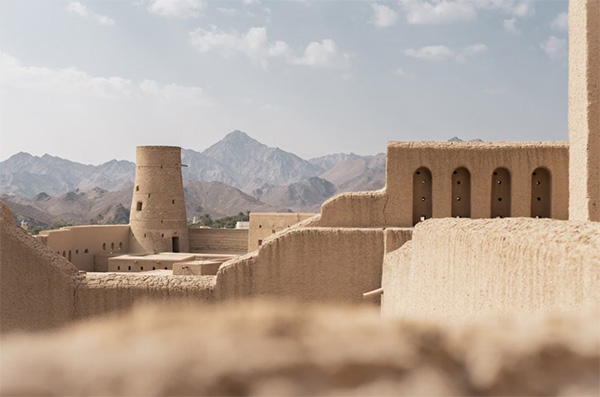
A stone town in Oman never served as simple housing. It belonged to a wider system of mosques, storehouses, towers, and routes linking coast, desert, and highland. Nizwa’s historic core and Bahla’s old quarters show that trade helped build these communities. Frankincense routes, local exchange, and tribal movement all left marks on the built environment. Religion also shaped daily life in direct ways. Mosques anchored the rhythm of the town, not as decoration but as structure. Commerce and devotion lived side by side in these alleys. That union gave the towns discipline, purpose, and severe beauty.
The Power of Ruins
Some of the most striking places in Oman are partly abandoned, and that silence gives them force. Old houses in Al Hamra and ruined quarters near Tanuf reveal a blunt lesson about time. Roofs collapse. Doors rot. Wind enters. Yet decay often exposes more than polished restoration. Bare walls and staircases show room layouts, storage methods, and defensive priorities with clarity. These ruins also record change. Oil wealth, new roads, schools, and modern housing drew many residents away from older structures. Progress played a role. Climate played another. Honest history requires both facts.
Saving What Matters
The best preservation efforts in Oman avoid turning historic settlements into theatrical attractions. That restraint deserves respect. Restoration matters because stone towns can disappear through neglect and careless development. Yet too much repair can erase character just as surely. Once every wall looks staged for a brochure, authenticity slips away. Bahla raises a serious question. How much repair protects memory, and how much starts inventing it? A good answer demands patience, local knowledge, and respect for living communities. Heritage isn’t a costume. It is a working inheritance. Preservation succeeds when it protects old street patterns, water systems, mosques, and houses without freezing them into lifeless perfection.
The ancient stone towns of Oman offer something rare. They present history without theatrical packaging. Their strength comes from endurance, proportion, and intelligence under pressure. In these villages and ruined quarters, stone records the struggle between people and place. Water had to move. Heat had to stay out. Families had to defend themselves, worship, trade, and endure. That is why these towns matter beyond tourism. They challenge the lazy assumption that old building means primitive building. Much of this architecture solved environmental problems with elegance many modern projects still fail to match. Oman asks a sharp question. If earlier communities built so carefully with so little, what excuse does the modern world still have for building so poorly with so much?
Photo Attribution:
1st & featured image by https://www.pexels.com/photo/ancient-stone-village-in-al-bahah-saudi-arabia-32556089/
2nd image by https://www.pexels.com/photo/view-of-the-fort-bahla-in-bahla-oman-19786029/