Exploring the Hidden Gems of South America
Guidebooks keep repeating the same cities, the same photos, the same tired plazas. South America laughs at that habit. The continent hides wild corners behind marketing gloss, then waits to see who notices. Travelers chase Machu Picchu and ignore the desert that blooms, the wetlands that roar at night, the colonial streets that still smell faintly of gunpowder and coffee. Real discovery starts where the tour bus schedule ends. Curiosity beats comfort. Curiosity wins every single time, especially when plans collapse beautifully and force genuine improvisation.
Valleys Where Time Gets Stuck
Northwest Argentina refuses to hurry. Cafayate, Cachi, and the Calchaquí Valleys feel like a map drawn in slow motion. Red cliffs lean over dusty roads. Vineyards crawl up dry hills that should not grow anything and somehow do. Empanadas arrive late and nobody complains. Locals talk about harvests, not hashtags. Serious visitors rent a small car, ignore the clock, and drift between villages that share wine, folk music, and stubborn pride. Progress races elsewhere. These valleys chose character instead of speed and still defend that decision fiercely, almost rebelliously.
The Desert That Blooms At Night
Northern Chile looks like Mars during the day. The Atacama Desert eats sound, color, and common sense. Then sunset hits. Pink mountains, salt flats, flamingos that strut like bored models. Night falls and the sky explodes with stars. Observatories sit on the high plateau because the air refuses to hold moisture. Locals in San Pedro sell tours with plastic helmets and big smiles, yet the real attraction sits above the chatter. Astronomy feels less academic there. Constellations look like bright, ancient gossip traded between cold horizons and silent dunes.
Rivers That Refuse Straight Lines
The Pantanal in Brazil solves nothing neatly. Rivers wander in loops. Caiman stare from muddy banks. Capybaras graze like oversized guinea pigs that escaped a classroom. Tourists who expect instant drama get silence first. Then a jabiru stork lands. Then a jaguar appears for five perfect seconds. Guides read tracks like novels. Lodges run boat trips at dawn, when the water smokes and mosquitoes hold a committee meeting on every ankle. This wetland rewards patience. Cameras help, but stillness helps more, especially when engines finally cut and voices drop.
Colonial Streets That Remember Everything
Cities like Sucre in Bolivia and Cartagena in Colombia turn history into architecture. Whitewashed walls, carved balconies, heavy doors that look ready for pirates. Street vendors sell tamales beside government palaces. Churches hoard gold and whispered rumors. These centers never feel like museums. Laundry hangs over cobblestones. Kids kick soccer balls against centuries old foundations. Every façade tells two stories at once. One about conquest. One about survival. Sensible travelers skip the souvenir magnets and sit in plazas, eavesdropping on the present while church bells argue overhead again.
Real hidden places do not advertise loudly. They reveal themselves in slow buses, awkward border crossings, and half remembered directions from someone stirring a pot of stew. South America still offers that kind of uncertainty. The continent rewards the traveler who picks the smaller road on the map and accepts weak phone signal as a promise, not a problem. Mass tourism chases comfort. Curiosity chases surprise. Those who choose surprise walk away with stories that refuse to fit into a postcard or a polite dinner summary, ever.
Photo Attribution:
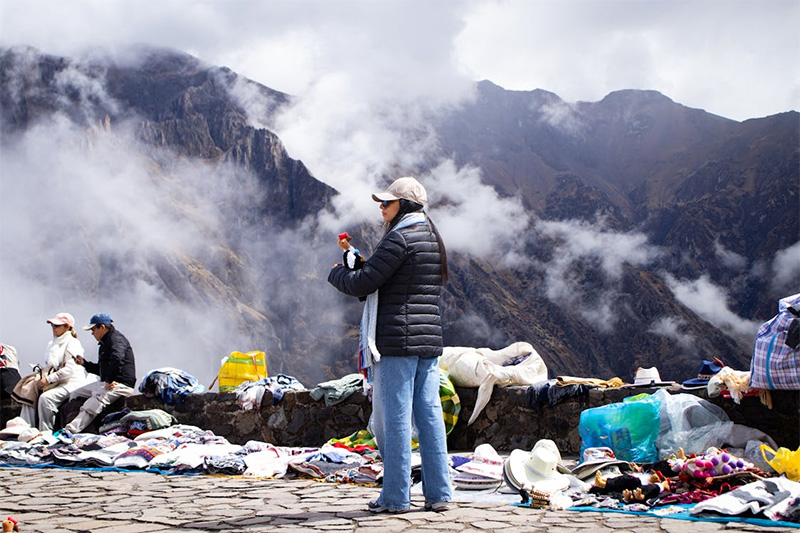
1st & featured image by https://www.pexels.com/photo/street-market-in-the-andes-of-peru-35689862/
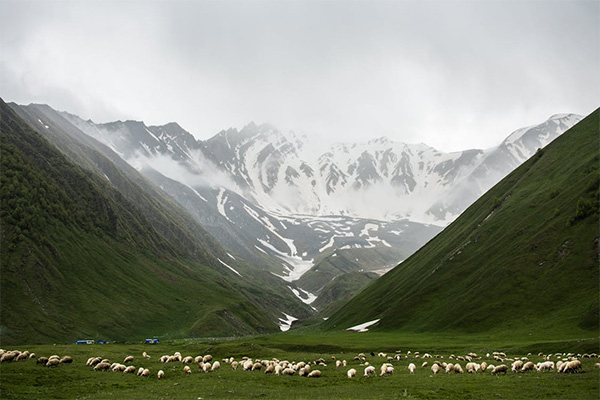
2nd image by https://www.pexels.com/photo/herd-of-animals-on-grass-field-near-mountains-1574843/