How to Overcome Jet Lag Quickly
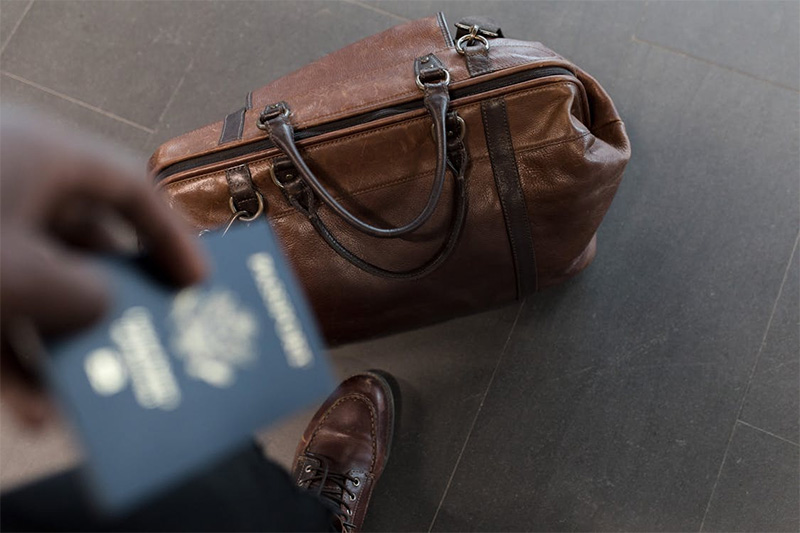
Jet lag hits like a clumsy accountant rearranging the body’s books overnight. The brain wants breakfast, the clock insists on midnight, and performance drops right when it matters. Long flights don’t just steal sleep; they scramble hormones, mood, and focus. Business trips, family events, even short vacations suffer when the first two days dissolve into fog. The good news: this problem isn’t mysterious, it’s mechanical. Shift the clock, manage light, time food and movement, and the body follows. With a bit of planning, the time zone stops winning the fight before it even starts.
Start Shifting Before Takeoff
Speed starts on the ground. The body’s clock listens to timing patterns, not flight numbers, so the smart traveler moves those patterns early. Flying east? Sleep and wake 30–60 minutes earlier for three days. Flying west? Push both later. That small shift already cuts the time gap on arrival. Caffeine and alcohol deserve strict limits during this phase; both confuse sleep signals and stretch the recovery curve. Short afternoon naps at home, capped at 20–30 minutes, help bank rest without wrecking nighttime sleep. It’s not glamorous prep work, but it turns a brutal adjustment into a smaller, manageable nudge.
Use Light Like a Tool, Not a Background
Light runs the show. The internal clock doesn’t care about the watch; it cares about when the eyes see bright light. For eastbound travel, strong morning light at the destination pulls the clock earlier. For westbound, bright evening light pushes it later. That means sunglasses at the wrong time slow adjustment. Screens complicate the story. Blue-heavy light from phones and laptops at night tells the brain the day hasn’t ended, so sleep hormones stall. Strong overhead light in the new “daytime,” dim warm light at night, and disciplined screen use form a faster, cleaner reset than any supplement.

Control Sleep Windows, Don’t Chase Every Yawn
The biggest mistake: collapsing into bed the moment fatigue hits. That move locks the body into the old time zone. The smarter play sets strict sleep windows matched to the destination’s night, even if tired early. Short tactical naps help bridge the gap, but every nap needs hard rules: no longer than 20–30 minutes, never within six hours of planned bedtime. Hydration stays high, heavy meals stay away from bedtime, and room conditions stay boring: cool, dark, and quiet. Melatonin can support the shift when used in low doses and short runs, but timing matters more than any pill.
Move, Eat, and Work on Local Time
Once on the ground, every action should vote for the new time zone. That means meals on local time, even if appetite protests. Light, protein-heavy breakfasts anchor the morning; heavier food waits for later. Movement finishes the argument. A brisk walk or short workout in local morning signals “day” more clearly than any clock. Intense late-night training sends the opposite message and keeps the brain wired. Work follows the same rule: schedule demanding tasks during local daylight, lighter admin when the mind drifts. The body loves patterns. Give it consistent local anchors, and it stops arguing sooner.
Jet lag doesn’t respond to wishes, only to signals. Sleep timing, light exposure, food, and movement all vote for one time zone or another, and the body simply counts the votes. Start shifting before the flight, use light on purpose, guard sleep windows, and match daily habits to local time. The difference between stumbling through three dull, fuzzy days and hitting the ground clear often comes down to those choices. The clock can’t be avoided, but it can be coached. With a deliberate plan, travel stops feeling like an assault and starts looking like a controlled adjustment.
Photo Attribution:
1st & featured image by https://www.pexels.com/photo/brown-leather-duffel-bag-1058959/
2nd image by https://www.pexels.com/photo/persons-raising-hands-3978594/