Why You Should Never Exchange Money at the Airport
Airports sell a feeling. Urgency, fatigue, and a quiet fear of being stranded in a foreign country with the wrong wallet. Currency kiosks lean on that. Bright signs promise “No commission” and “Best rates,” while the fine print hides where the real cost sits. Travelers often assume any money swap inside a secure terminal must be trustworthy and fair. It isn’t. The numbers on the board rarely match the rate everyone checks on their phone. The gap looks small. It isn’t small over a whole trip, or over a family’s entire budget.
The Illusion of Convenience
Airport kiosks sell speed, not value. The pitch is simple: land, stand in a short line, walk away with local cash. That convenience hides a quiet tax on every dollar. The rate on the board already bakes in a heavy margin, then a “zero fee” claim distracts from it. Many travelers hand over cash without doing a 30‑second comparison on a phone. In that moment, stress and time pressure rule. A bank card, a reputable ATM, or preordering currency from a bank before departure usually beats the airport desk by a wide margin. Convenience at the gate becomes costly laziness on the statement.
The Real Cost in the Fine Print
The public rate on financial websites is the interbank rate, the price big institutions trade at. Airport counters almost never come close. They set their own rates and then layer on tricks. Round numbers hide spreads, and dual columns confuse distracted travelers. Some booths add “service charges” on top of already weak rates, especially for small amounts. Others offer a so‑called guaranteed buyback, which sounds safe but locks travelers into two bad deals instead of one. A smart traveler compares three numbers: live interbank rate, the counter’s rate, and what a bank card would charge. That simple comparison exposes how much money the kiosk quietly drains.

Better Ways to Get Local Cash
There’s no need to play the airport game. A debit card that charges low foreign transaction fees, used at a bank‑branded ATM in town, usually delivers a rate far closer to interbank. Many banks also let customers order foreign cash online before a trip, at better spreads than any last‑minute kiosk. Credit cards with no foreign transaction fees handle most purchases without extra costs. Even digital wallets and prepaid travel cards can beat airport desks when set up in advance. The pattern is obvious. Planning beats panic. A short checklist before a trip does more good than any glossy counter or friendly clerk near baggage claim.
The Last‑Resort Strategy
Sometimes a traveler lands late, tired, with no working card and a taxi that only takes cash. Fine. Then the airport counter becomes a necessary evil, not a default habit. The smart move in that worst‑case moment is simple: exchange the smallest possible amount. Enough for transport and maybe the first meal, nothing more. Once in the city, a bank ATM or hotel exchange partner usually offers a better deal. Treat the airport rate like an emergency surcharge, not a standard price. The mindset shift matters. When people stop treating those kiosks as normal, they stop leaking money every time a plane door opens.
The pattern repeats in every major hub. Shiny counters, friendly staff, and terrible value. Nothing illegal, but very expensive for anyone who doesn’t question it. The inescapable conclusion is simple: airports are for flying, not for financial decisions. When travelers line up at the currency booth, they broadcast a lack of preparation and pay for it on the spot. A modest bit of planning changes everything. A checked card policy, a small emergency stash, and awareness of real exchange rates turn that glowing kiosk into what it truly is: a last resort, not a welcome mat.
Photo Attribution:
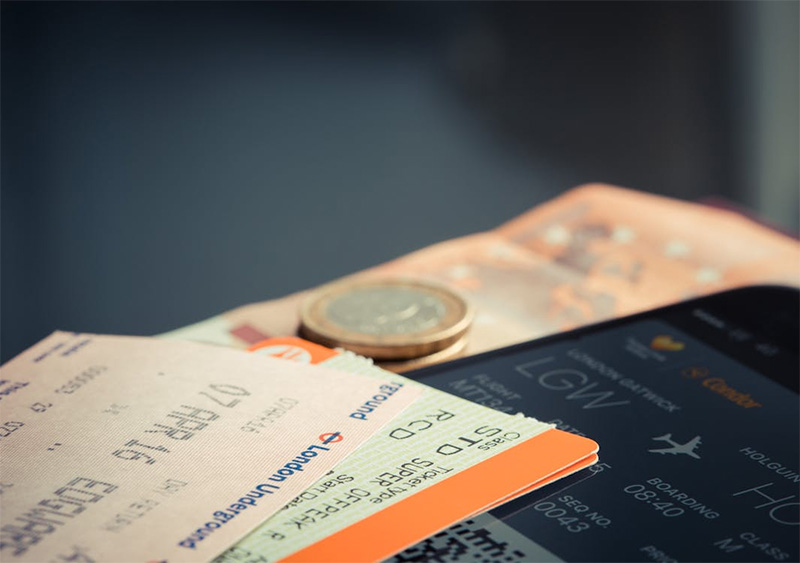
1st & featured image by https://www.pexels.com/photo/orange-and-green-label-airplane-ticket-69866/
2nd image by https://www.pexels.com/photo/a-woman-with-dreadlocks-and-a-man-with-a-tie-19435732/