The Science of Beating Jet Lag for Good
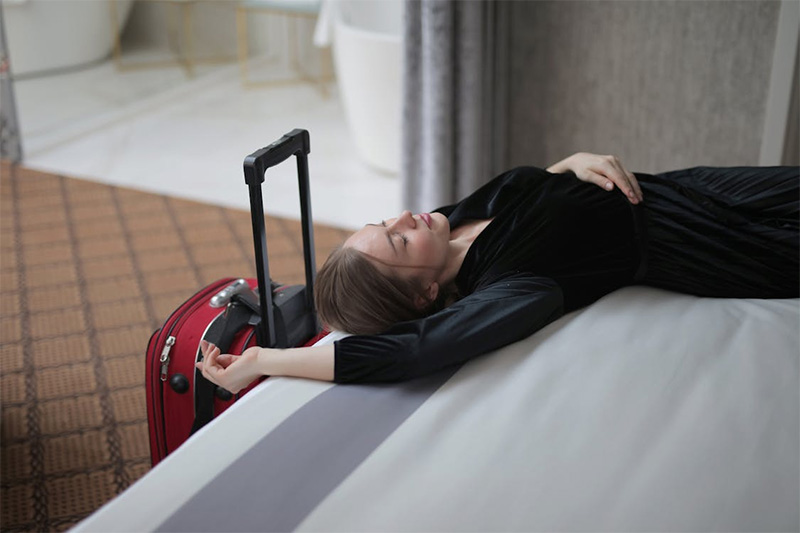
Jet lag—a modern traveler’s nemesis. The body thinks it’s midnight while the airport’s bustling with shoppers and neon-lit coffee stands. Sleepiness on arrival, alertness at 3 a.m., days lost to mental fog. No one calls it charming. But here’s the kicker: this misery isn’t inevitable, not by a long shot. Science has picked apart circadian rhythms, dug into the mess of melatonin, sunlight, food timing—every variable in the post-flight equation. Old advice lingers, but recent research overturns plenty of it. For those who believe jet lag comes with the territory, it’s time for an evidence-backed reality check.
Resetting the Internal Clock
Biology runs on schedules—tight ones. The brain’s master clock sits deep inside and hates surprises, especially sudden time zone leaps. Toss in a nine-hour flight and presto: internal chaos. The secret? Strategic light exposure reigns supreme for realigning that clock fast. Morning sunlight after eastbound travel—magic for shifting rhythms earlier. Nighttime light after westward flights—keeps sleepiness at bay until local hours make sense again. Ditch sunglasses after landing; find daylight where possible, even if it means standing by a window like someone’s odd relative at Thanksgiving dinner.
Smart Use of Melatonin

Supplement aisles groan under bottles labeled “jet lag cure.” Truth is, melatonin earns its reputation if used precisely—not as a bedtime pill but as a strategic nudge for the body clock itself. Small doses work best (think 0.5 mg to 3 mg). Timing trumps amount every time: take it about two hours before intended sleep in the new time zone—not after landing, not right before dozing off mid-movie during turbulence over Iceland. Misuse leads nowhere except confusion or unwanted grogginess that lingers like bad pop music.
Meal Timing Matters More Than Ever
Traditional wisdom leaves meals out of jet lag discussions—for no good reason at all. Research disagrees loudly on that point; meal timing serves as a crucial anchor for internal clocks circadian researchers call “peripheral,” not just central ones managed by sunlight alone. Eating breakfast when locals do and skipping food during nighttime in your destination starts resetting metabolism toward local time quicker than caffeine ever could (yes, even triple espressos). Midnight snacking sabotages adaptation faster than anyone expects—and makes morning fatigue last even longer.
Exercise: The Unsung Hero
People praise coffee and scorn airplane food but ignore movement—a foolish oversight every frequent flyer eventually regrets. Moderate-intensity exercise shortly after arrival acts as an extra cue for adjusting to new zones—not only burning off stiffness but telling muscles “it’s daytime now.” Even short walks outside help; no need to channel marathoners or join hotel gym regulars huffing through relentless HIIT routines at sunrise either (unless that’s genuinely fun). It’s consistency post-arrival that brings results—not heroic fitness feats performed once then abandoned forever.
Flying across continents shouldn’t mean surrendering days to yawning or staring blankly at conference tables while mind and body battle invisible clocks from home. Modern studies hand out solutions like airline peanuts—but only when applied precisely: sunlight first thing locally; melatonin timed right; meals synced with destination schedules; movement soon after landing instead of collapsing into hotel beds instantly—these steps add up fast and reliably when followed together instead of half-heartedly attempted one at a time out of desperation or random blog posts encountered on layovers somewhere between Tokyo and Dallas.
Photo Attribution:
1st & featured image by https://www.pexels.com/photo/woman-in-black-long-sleeve-dress-lying-on-a-bed-3926324/
2nd image by https://www.pexels.com/photo/woman-sleeping-935777/
-
 Learn a Foreign Language Faster Than You Think Before Traveling Overseas
-
 Ways to Cut the Cost When Doing Business Trips All the Time
-
 Limited Budget? Don’t Let It Stop You from Going to Places
-
 Reasons Why You Would Rather Travel Alone Than With the Wrong Company
-
 Rent a Luxury Apartment and Avoid Eating Out All the Time

