The Perfect Three Day Itinerary for Tokyo
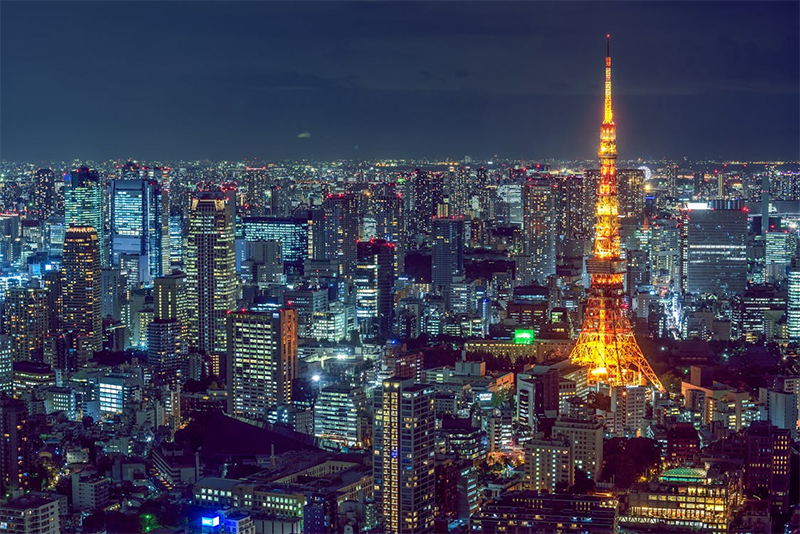
A city that never stops. Some say it feels like a thousand cities stitched together with neon and train lines. No map can quite capture its scale, and no guidebook can pin down its character, one moment, animated screens scream above Shibuya Crossing; blink, and the next brings a quiet shrine tucked between apartments. Still, for travelers armed with curiosity (and maybe some comfy shoes), it’s possible to get both breadth and depth in just three days. The trick isn’t in seeing everything, it’s about linking small moments, old and new, until something truly memorable takes shape.
Old Tokyo Awakens
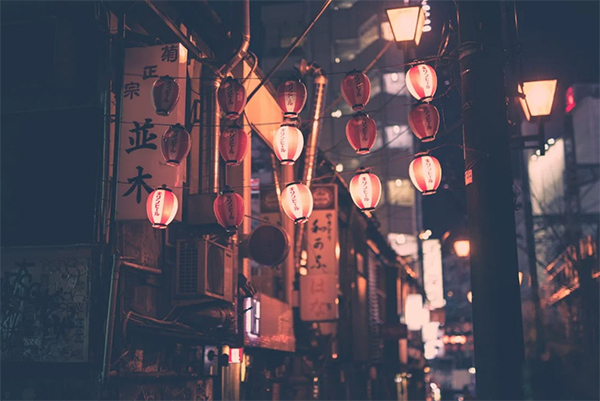
Forget glossy towers for a moment. Day one starts at Asakusa’s Senso-ji, a temple pulsing with incense and fortune slips snapping in the wind. Morning’s best; before the crowds try squeezing through Nakamise Street’s snack stalls. Sweet rice cakes, crispy crackers, the nose knows when it’s time for a taste test here. Not far off sits Sumida River; hop aboard a water bus gliding toward Hamarikyu Gardens where tea houses serve matcha overlooked by skyscrapers crowding the horizon. Truth is: old Tokyo never disappeared; it moved slower but kept breathing behind every lantern-lit alleyway still echoing festival drums.
Modern Marvels Collide
Tokyo puts on its best show after lunch, a modern one this time. Harajuku explodes with color: teens parade down Takeshita Street in candy-bright outfits while crepes twirl in practiced hands. A short walk north lands anyone in Omotesando, lined with concrete cathedrals of fashion, global brands perched next-door to minimalist cafes humming with conversation. Shopping? Sure, but window-gazing suffices too because design lurks everywhere here, even vending machines seem curated for maximum impact. Once dusk falls, Shibuya Crossing unfurls like an electric spiderweb; hundreds dart across without colliding as if choreographed by unseen directors.
A Taste of Tradition
Food tells truth better than souvenirs ever could, no contest there. Tsukiji Outer Market remains essential even after the original fish auctions moved elsewhere, knife skills dazzle at every counter as breakfast options range from jiggling omelets to just-flamed tuna belly atop warm rice tacky with vinegar. Skip lunch queues by nabbing street-side yakitori or tempura bowls near Ginza, workers know all the reliable holes-in-the-wall here if you follow their lead during rush hour shuffle. End up at an izakaya beneath railway arches: laughter leaks through sliding doors while skewers char and sake glasses clink faster than trains overhead.
Quiet Corners & Skyline Views
The city overwhelms unless rhythm builds in resets and breathers, a simple fact most miss until feet start complaining by noon on day three. Head west for Meiji Shrine’s forested calm where moss creeps over stone lanterns far removed from city buzz outside its torii gates. Next stop: Shinjuku Gyoen National Garden sprawls green even amid office towers clawing skyward nearby; plum blossoms or maple fire depending on season add surprise splashes of color around each corner walked slowly enough to notice them all go by. Cap things off atop the Metropolitan Government Building, night views cost nothing but reward much.
Experiencing Tokyo isn’t about chasing lists, it’s about letting contradictions rub shoulders naturally until they make sense together: sacred temples shadowed by billboards, silence found steps from chaos, savory snacks inhaled between gallery visits or subway rides gone slightly off-course (on purpose). Any itinerary promising perfection has to leave space for detours since no plan survives first contact with this city anyway, and isn’t that half the point? In three days certain sites flash bright and fade fast, but memories built from small surprises linger long after luggage shuts tight again back home.
Photo Attribution:
1st & featured image by https://www.pexels.com/photo/illuminated-tower-2614818/
2nd image by https://www.pexels.com/photo/turned-on-street-light-590478/