The Stories Behind London’s Most Haunted Places
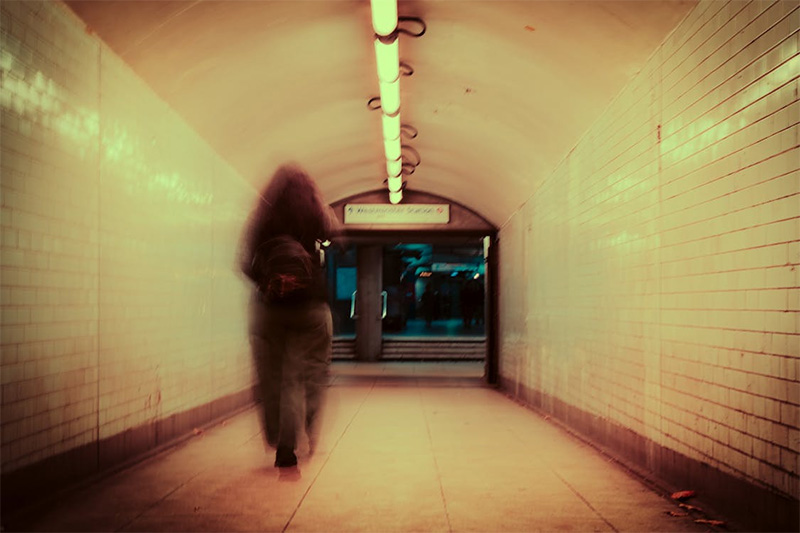
London sells itself with glossy brochures and skyline photos, but the city’s real marketing team works the night shift. Old streets keep strange memories. Stones remember what people prefer to forget. Talk to long-time cab drivers, late-shift nurses, or security guards, and patterns start to appear. Certain buildings drain energy. Certain alleys feel heavier in the silence. Skeptics call it suggestion. Locals call it Tuesday. Behind every famous “haunted” address stand very real stories of power, fear, grief, and, often, bad decisions. A closer look at a few notorious spots shows how history refuses to stay politely in the past.
The Tower That Never Lets Go
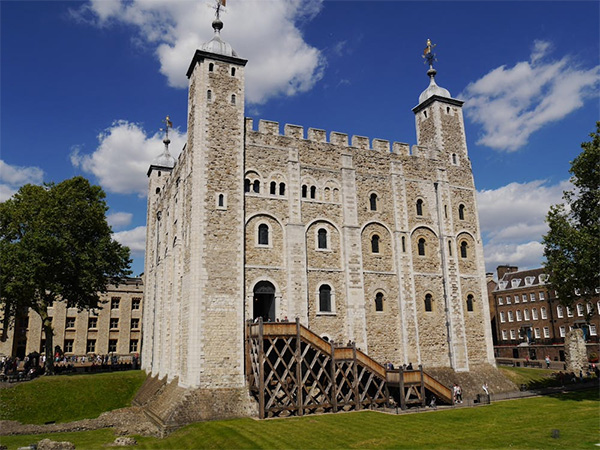
No polite ghost list ignores the Tower of London. The place functions like a pressure cooker for five violent centuries. Kings locked rivals here, signed death warrants, then slept fine. The walls didn’t. Stories collect around two main threads: betrayal and children. The most famous tale circles the Princes in the Tower, Edward V and his brother Richard, “vanished” in 1483. Bones turned up in a staircase centuries later, and that settled the legend for most Londoners. Staff still talk about small figures seen near the White Tower, half-glimpsed in old-fashioned clothes. Others describe a sudden sense of choking near execution sites, as if the air remembers a blade that everyone else forgot.
A Theater That Refuses To Close
Drury Lane likes drama on and off the stage. The theater’s history runs through fires, rebuilds, bankruptcies, and the kind of backstage politics that make ghosts seem calm. The “Man in Gray” steals most of the attention. Witnesses describe an 18th-century gentleman in a powdered wig, gray coat, and three-cornered hat walking quietly along the upper circle before vanishing into a wall. During renovations, workers found a hidden skeleton in that same area, stabbed, stuffed into the brickwork years ago. Cast superstition turned this into a good omen. Spotting the Man in Gray before opening night supposedly predicts a successful run. Imagine that: a murdered stranger pressed into service as an unofficial theatrical quality inspector.
The Woman At The End Of The Line
London’s subway system runs like a nervous system under the city, and certain stations feel like nerve damage. Aldwych station, long closed to regular passengers, collects stories from film crews and maintenance teams. Another favorite sits at the end of the Central line: Liverpool Street. Staff there talk about a woman in old-fashioned clothing standing silently on the platform, not quite matching the time or the crowd. She appears during engineering works or when trains stop for no clear reason. Records later confirmed that part of the station sits on former burial ground. Planners knew, of course. London constantly builds on top of the dead. The surprise came from how strongly that fact pushes back underground.
A Pub Built On Bad Decisions
The city’s older pubs store more than spilled beer and bad dates. Take a place like The Ten Bells in Spitalfields, forever linked to Jack the Ripper. The building itself didn’t commit the crimes, obviously, but it sat in the middle of that terror. Several victims drank there. Some probably argued, laughed, planned tomorrow. Tomorrow never showed up. Staff talk about cold spots that move, footsteps on empty staircases, and a sense of being watched when the doors are locked and lights are off. Tourists come for the true-crime angle. Long-term staff understand a harsher truth: intense fear and violent endings don’t vanish. They soak into floors, into habits, into the branding of the entire neighborhood.
Strip away tourist brochures, and the pattern becomes blunt. Haunted locations usually sit where people once experienced high stress, high stakes, or high cruelty. Palaces, prisons, tunnels, hospitals, and pubs all qualify. The ghost stories give those pressures a face and a script, which makes them easier to discuss. Whether any figure actually walks the Tower at night matters less than the fact that the public still talks about wrongful deaths there. The supernatural acts like a filing system for unresolved history. London, with its constant habit of building over old damage, keeps generating new files. The city’s past doesn’t fade. It lingers, knocks, and sometimes buys a round.
Photo Attribution:
1st & featured image by https://www.pexels.com/photo/moody-night-walk-in-london-underground-tunnel-35161198/
2nd image by https://www.pexels.com/photo/view-of-city-248193/