A Complete Guide to National Parks in Utah
Utah doesn’t just stack parks on a map; it stages a geology lecture with the subtlety of fireworks. Five famous units, one desert stage, and a recurring theme: stone remembers what people forget. Arches, Bryce Canyon, Canyonlands, Capitol Reef, Zion. The names sound like band members in some stubborn rock group that never retires. And every one of them tells a different story about water, gravity, and time. So anyone planning a trip needs more than pretty photos; strategy matters out here, and so does respect for distance, heat, and surprise weather.
Arches: Gravity Doesn’t Win
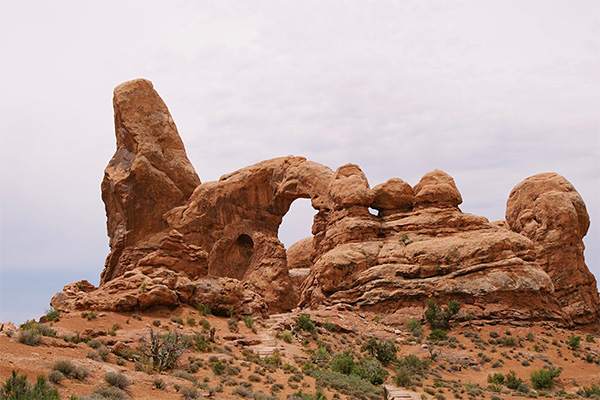
Arches throws sandstone into the air and dares physics to complain. Over two thousand arches scatter across the park, and every visitor runs straight to Delicate Arch like it’s a celebrity meet‑and‑greet. Smart travelers don’t. They hit it near sunrise or late evening, when the trail cools and the crowds thin. And they carry more water than seems reasonable. Short walks like Double Arch reward minimal effort. So photographers chase golden hour, while hikers link Devil’s Garden loops and learn how quickly desert heat punishes arrogance and sloppy planning in equal measure.
Canyonlands and Capitol Reef: Big Empty, Quiet Strange
Canyonlands spreads out like someone dropped the Grand Canyon, broke it, and forgot to apologize. The Island in the Sky district hands out panoramic views with almost no hiking; Mesa Arch at sunrise turns jaded visitors into zealots. And then Capitol Reef sits to the west, weird and underrated. So fewer crowds, longer conversations with stone. Scenic Drive and Fruita orchards soften the harsh rock with human history and pie. Backcountry fans aim for Cathedral Valley, where clay roads demand clear skies and stubborn patience, plus a decent spare tire.
Bryce Canyon: Where Stone Imitates Forests
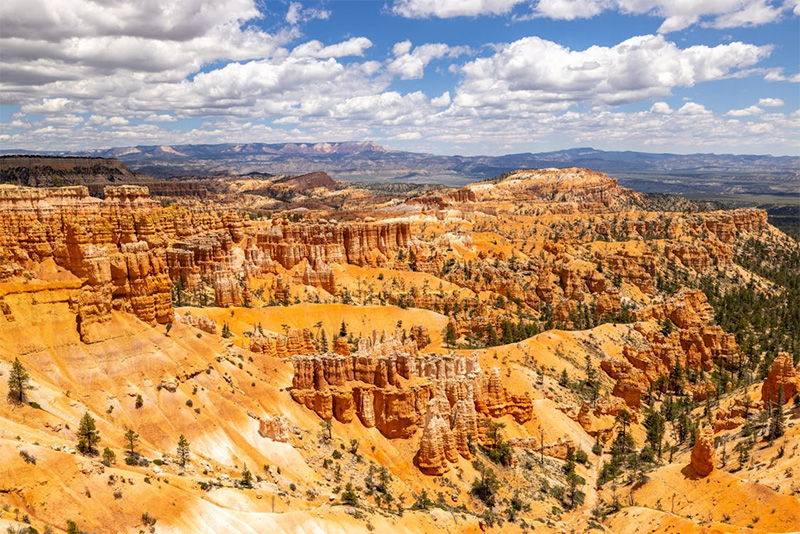
Bryce Canyon doesn’t care about canyons; it cares about hoodoos, those thin stone spires that look like a committee of ghosts. The main amphitheater near Sunrise and Sunset Points delivers maximum effect with minimal walking. And that’s exactly why it fills first. So the clever approach pairs a rim stroll with the Navajo Loop and Queen’s Garden, dropping among orange towers and climbing back out before midday heat cooks the fun away. Winter brings snow on red rock, and the whole place turns surreal and silent, like a frozen choir rehearsal.
Zion: Crowds, Cliffs, and Careful Choices
Zion behaves like a celebrity chef restaurant: brilliant, crowded, occasionally exhausting. Shuttles rule Zion Canyon in peak season, and anyone ignoring that loses time in parking chaos. Angels Landing and the Narrows hog attention. And they demand respect. So hikers need permits, early buses, and a sober reading of their limits. Slot water rises fast; narrow ledges don’t forgive wobbling knees. Quieter options like Watchman or Canyon Overlook hand out huge views without drama. Evening light on the canyon walls often beats midday sweat anyway, especially after summer monsoon storms rolling through.
One state, five parks, no single correct order. The rock doesn’t care who visits first. Arches tests how early someone wakes. Canyonlands and Capitol Reef reward patience and a tolerance for dirt roads. Bryce Canyon turns temperature and altitude into co‑authors. And Zion proves that planning beats improvisation when thousands chase the same trail. So any strong trip starts with maps, water, and ruthless honesty about stamina. The reward: days where phones stay quiet, horizons stretch wider, and time feels carved instead of scheduled, deliberate rather than rushed.
Photo Attribution:
1st & featured image by https://www.pexels.com/photo/aerial-shot-of-canyon-bryce-canyon-national-park-utah-usa-19689850/
2nd image by https://www.pexels.com/photo/brown-rock-formation-under-white-sky-5214759/