What to See and Do in Mexico City
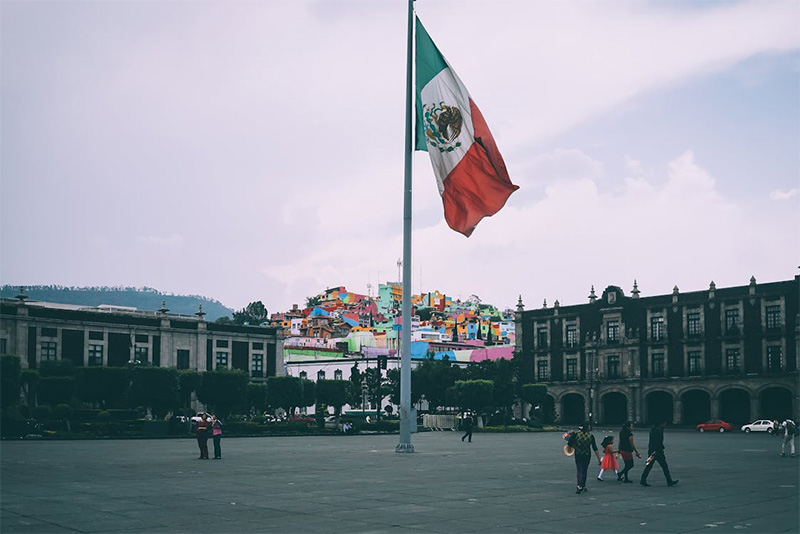
The city sprawls, a patchwork quilt stitched across a valley, hemmed in by mountain ridges and restless energy. Urban life rushes past Aztec ruins and colonial domes, then slows to savor street corn under purple jacaranda blooms. Impossible to take it all in at once, yet people try every day, cameras ready. What’s the best way? There isn’t one. One wrong turn delivers a museum accidentally; the next, a pulsing market or hidden plaza where locals argue football over tamales. Plenty of opinions float around about what matters most here, food, history, scale, but only first-hand wandering sorts it out.
Ancient Echoes Among Stone
Forget neat timelines; time overlaps on itself within these streets. The Templo Mayor pokes up right next to baroque cathedrals, as if daring modernity to wipe away deep roots. Step around ongoing excavations, archaeologists brush off old gods daily, and keep ears open for guides spinning tales of sacrifice beneath skyscraper shadows. A walk through Chapultepec Park lands visitors not just in nature but also face to face with the National Museum of Anthropology’s world-famous stone monoliths. Try leaving unmoved by millennia-old obsidian masks or the mosaic-covered serpent heads, good luck.
Markets That Never Pause
Noise gets physical inside Mercado de la Merced or Coyoacán’s famous weekend tianguis, a full-body tumble into stalls stacked with fruit never tasted north of the border (mamey? chicozapote?). Forget maps: scents provide direction better than any app ever could. Pulque bars pop up between flower vendors and candy sellers offer cajeta-filled delights that should come with a warning label for sugar-shocked foreigners. Bargain hunting blends seamlessly with people-watching; grandma haggles loudest, but schoolkids running past carrying balloon animals steal all attention.
Art Moves Off The Walls
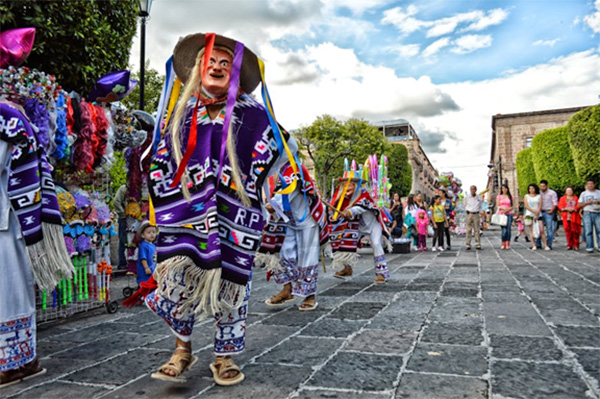
Murals aren’t trapped behind glass here, they cover government buildings and subway tunnels alike. Diego Rivera’s epic visions sprawl across Palacio Nacional walls like living textbooks nobody can ignore. Wander La Roma district long enough and contemporary art leaks from galleries into cafés or even mechanic shops doubling as exhibition spaces after dark. Serious collectors hit Museo Tamayo for sleek installations; everyone else stumbles onto local artists sketching portraits beside fountains downtown, quietly capturing daily struggles, or triumphs, with charcoal smudges.
Kitchen Chaos And Culinary Surprises
Street food sits at the city’s heart; no guidebook prepares anyone fully for that first mouthful of blue-corn tlacoyo pulled sizzling from an iron griddle on Avenida Álvaro Obregón. Upscale dining has its place too, Pujol might win global awards for reinventing mole, but gritty taco stands leave deeper imprints on memory (and clothes). Churros dip into chocolate thick enough to stand spoons upright while roving mariachis belt ballads nearby for extra spice. Every meal turns into negotiation: how spicy is “not very”? No straight answer exists.
Leaving this city behind feels premature, even after days spent dodging traffic jams and chasing mariachi echoes through midnight plazas, not because everything was seen but thanks to an overwhelming sense that something important always lurked just out of sight. Layers upon layers remain beneath each square foot, waiting for bolder steps or return visits armed with curiosity instead of plans, and hunger sharpened by experience already gained among endless street corners.
Photo Attribution:
1st & featured image by https://www.pexels.com/photo/people-near-mexican-flag-1573471/
2nd image by https://www.pexels.com/photo/person-in-traditional-dress-at-the-street-784707/