Exploring the Abandoned Villages of Spain
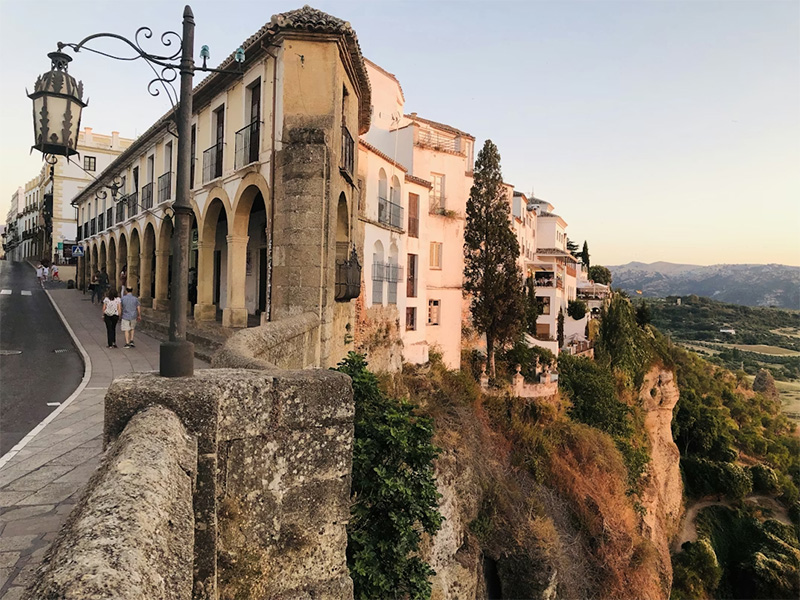
No one expects to find a story carved in crumbling stone. Yet that’s exactly what’s scattered across rural Spain, where entire communities sit empty, window frames gaping, weeds tangled on old squares. Their silence is louder than the city at rush hour. So why do these places pull some travelers harder than Barcelona or Madrid ever could? The answer isn’t simple; nostalgia rarely is. Some chase history, others just want escape from modern pace. There’s something magnetic about these forgotten roads and sun-bleached doors: each promises a lesson, though not always the kind found in textbooks or tourist guides.
Vanishings on the Map
Call it rural flight, call it economic disaster, call it stubborn modernity. The numbers don’t lie, a cascade of departures emptied thousands of Spanish villages over decades. Young people fled for factory jobs and bright lights; grandparents sometimes stayed behind, often long enough to hear echoes settle into dust. What began as practical choices wound up rewriting entire landscapes. Now, satellite images show patches where life retreated and wildflowers took charge again. The government tried schemes, tax breaks, television campaigns, but inertia proved stronger. In Spain’s emptied heartland, maps grew outdated faster than they could be printed.
Layers of Stone and Story
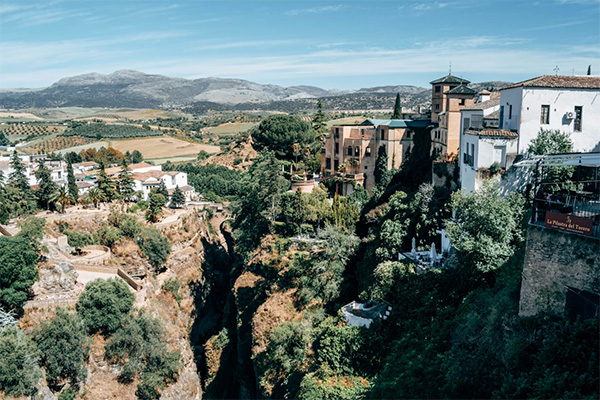
Wander through any of these deserted hamlets and forget about glossy-pamphlet tourism; nothing staged here except maybe a barn owl perched on a tiled roof. Every peeling fresco in a church whispers about weddings no one remembers now, or festivals last held when televisions arrived black-and-white. Some houses still hold mismatched teacups on kitchen shelves, left behind as if owners expected to return by supper time, and so much mystery lingers inside those abandoned walls that even archaeologists get goosebumps poking around cellars and attics alike.
The Allure for Modern Adventurers
Forget hiking trails marked by brochures, these places attract explorers hungry for discovery minus selfie sticks and crowds yelling into phones. There’s unpredictability in every cracked lane: will today mean discovering Roman wellstones under thistle? Or finding graffiti dated back before the internet was a rumor? Photographers swarm in, the light alone tempts anyone with a camera, but so do writers sniffing out inspiration among broken doorways and rusted locks. Not everyone comes looking for beauty; some simply crave proof that time can stop somewhere, at least for an afternoon.
Attempts at Revival
Empty doesn’t always mean hopeless. A few dreamers have bought whole villages, internet entrepreneurs chasing quiet or artists tired of city rents, and injected new life into stubborn stones with paintbrushes or Wi-Fi routers. Occasionally an organic farm appears where wheat once stood tall; sometimes pop-up festivals briefly fill ghostly plazas with music again, laughter echoing off haunted facades until sunrise creeps back in. Is this lasting change? Maybe not everywhere, or even most places, but it signals something unstoppable: the age-old human urge to reclaim what once seemed lost forever.
These silent towns aren’t relics frozen on display, they’re chapters still open to interpretation by anyone curious enough to wander beyond Spain’s well-worn paths. Not every village will come roaring back; most won’t see another permanent resident move in this decade or next. Still, there’s value in what remains, stories embedded deep within dry mortar joints and beneath unruly fig trees, waiting for fresh eyes willing to look past decay toward possibility instead of loss alone.
Photo Attribution:
1st & featured image by https://unsplash.com/photos/a-couple-of-people-that-are-walking-down-a-street-KZj4Qsmn7DQ
2nd image by https://unsplash.com/photos/aerial-view-of-city-during-daytime-UZHyxrtumx0