Solo Travel Confidence for Nervous Beginners
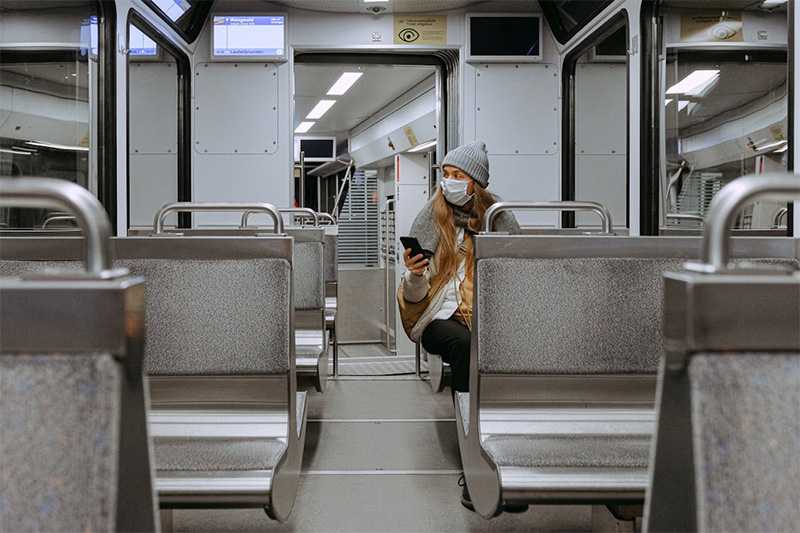
Everyone talks about solo travel like it’s some heroic movie montage. No one mentions the shaking hands at the boarding gate or the instinct to sprint straight back to the couch. Anxiety doesn’t disqualify anyone from travel; it just means the brain loves worst‑case scenarios. And that brain needs proof, not cheesy quotes. So the trick isn’t pretending to feel brave. It’s building tiny, boring systems that keep panic busy while curiosity walks ahead. Fear can ride along. It just doesn’t get to drive, no matter how loudly it complains.
Start Smaller Than Pride Wants
New travelers usually aim too big and then blame themselves when everything feels terrifying. A first solo trip doesn’t need twelve cities, three languages, and a night bus. It needs training wheels. And training wheels look like a nearby city for two nights, or a familiar country with better public transit than home. So the goal shifts from “prove independence” to “collect wins.” Book one hotel, not four. Use one train line, not a whole network. Confidence grows from repetition, not drama, and small boredom beats big panic every single time.

Build a Safety Net on Purpose
Anxious travelers don’t need more courage; they need fewer unknowns. So the plan starts with anchors. Book the first and last night in advance, choose lodging near a major station, and screenshot every reservation. And set up backups: offline maps, local emergency numbers, basic phrases saved in notes. Or think in layers: one way to pay, a second card, some cash. When the brain screams, “Everything will go wrong,” the folder of confirmations quietly answers, “Not everything.” Systems argue with anxiety better than pep talks ever do, every single time.
Script the Awkward Moments
Social fear ruins more trips than lost luggage. The mind imagines constant judgment from strangers, when most people just want lunch and Wi‑Fi. So prewritten scripts help. Simple lines like, “Is this seat free?” or “Can you recommend something local?” turn vague dread into specific actions. And have exits ready: “Thanks, going to rest now,” ends any conversation. Or treat each interaction like language practice, not a personality test. Confidence doesn’t appear out of nowhere; it sneaks in after ten tiny, mildly awkward exchanges that didn’t kill anyone at all, not once.
Plan for Panic, Not Perfection
Fear hates preparation because it loses excuses. So expect one shaky evening, one wrong turn, one meal that feels like a disaster. Name them in advance. And then assign responses: sit in a busy café, message someone trusted, recheck the map, breathe slower than the thoughts. Or pick a simple rule: no decisions while spiraling; only actions from a short, written list. The trip stops being a fragile fantasy and turns into a testable plan. Anxiety stays, but it starts sounding less like prophecy and more like background noise most days.
Confidence doesn’t drop from the sky on the departure date. It grows like calluses. Every time a nervous beginner survives a minor mistake, wrong platform, awkward check‑in, confusing menu, the brain records evidence that panic told half the story. So the smartest traveler doesn’t chase fearlessness; that traveler chases data. And each short trip, each scripted interaction, each planned backup adds another line to the file marked, “Actually handled it.” Solo travel then stops being a personality flex and turns into what it always should’ve been: a skill anyone can practice, refine, and repeat.
Photo Attribution:
1st & featured image https://www.pexels.com/photo/woman-wearing-mask-on-train-3962264/
2nd image by https://www.pexels.com/photo/baby-legs-next-to-toy-building-blocks-4964358/
-
 Here Are The Friends That You Should Always Travel With. You’ll Have Amazing Photos with the First
-
 Top Attractions to See in Pyeongchang After Watching the Olympics
-
 Train Travel Basics in Europe
-
 Reasons Not to Argue Against Other People’s Cultures and Practices During a Trip
-
 Things to Leave Behind if You Decide to Travel Lite

