How to Navigate Public Transit Like a Local

Tourists stare at maps. Locals stare at nothing. That gap explains public transit. Locals move like they already know the answer. Visitors shuffle, block doors, fumble with tickets, and hope the train feels merciful. The difference rarely comes from secret knowledge. It comes from habits. Small choices compound into confidence. Once a rider stops performing panic and starts reading the system, everything changes. Transit turns from obstacle into quiet superpower, the kind that gets a person across town faster than any rental car fantasy or overpriced rideshare gamble.
Read the System, Not Just the Map
Every transit network speaks a dialect. Colors, numbers, arrows, icons. Locals read that language before worrying about directions. A rider checks the endpoints of each line, not just the nearest stop. That trick alone prevents half of all wrong-way disasters. Time matters too. A bus at noon acts like a different species than that same bus during rush hour. Schedules, frequency charts, service alerts. Those sit on apps, station walls, and tiny print that tourists ignore. Locals treat them like headlines, not fine print, and adjust on instinct.
Master Tickets, Passes, and Payment Rituals
Transit payment behaves like a small religion. Every city invents its own rituals. Paper tickets, smart cards, contactless taps, odd transfer rules that punish guesswork. Locals learn cost ceilings, day passes, and off-peak bargains. Smart riders copy that. One quick scan of the fares page or ticket machine screen saves money and embarrassment. The card gets loaded before rush hour, not while a line groans behind some confused traveler. The rule stays simple. Never reach the front of the queue without a clear plan to pay instantly every time.
Move Like Traffic, Not Like a Tourist
Physical behavior gives a traveler away faster than any accent. Locals stand to the side, let people exit, then board with purpose. They walk on the left or right of escalators, whatever the city treats as sacred law. They never block doors. They slide inward and clear aisles without commentary. Anyone who wants local status copies the flow. Phone checking stays brief. Backpack comes off in crowded cars. The body signals awareness instead of confusion. Transit rewards that with smoother rides, fewer hostile sighs, and quieter headaches afterward.
Use Apps Like X-Ray Glasses
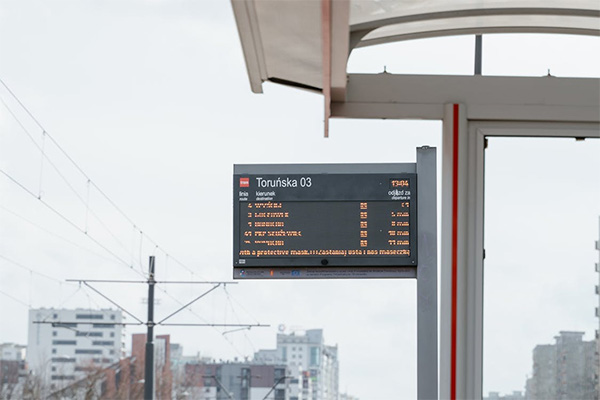
Transit apps turn an opaque system into clear glass. Locals trust real-time arrival boards more than printed schedules. They track delays, reroutes, and crowded lines before stepping outside. One decent app shows exits, nearby stops, and which train car gives faster transfers. That information multiplies each trip’s efficiency. The goal is not constant staring at screens. The goal is a quick check, a decision, then head up, eyes free to read signs. Technology handles chaos. The rider keeps attention on the physical world and on other riders nearby.
Public transit always exposes personality. Some riders fight the system. Some float through it. Locals do not rely on genius. They build small, repeatable habits. Read the signs. Respect the flow of bodies. Learn the payment quirks. Check the right app at the right moment. Anyone who copies those patterns stops signaling outsider energy. The trains feel less loud. The buses feel less random. Cities shrink to human size when their transit lines stop looking like mysteries and start looking like everyday tools for living well.
Photo Attribution:
1st & featured image by https://www.pexels.com/photo/photo-of-a-woman-standing-inside-bus-808700/
2nd image by https://www.pexels.com/photo/a-tram-destination-led-signage-on-a-pole-7251062/