Understanding Travel Insurance Options Clearly

Travel insurance looks boring until it suddenly doesn’t. One delayed flight, one lost bag, one stomach bug that turns a vacation into a clinic visit, and the fine print becomes the main character. What this truly signals is not paranoia. It’s math. A small fee can block a large bill, but only if the policy matches the trip that actually happens, not the trip imagined while clicking “Book now.” Confusion thrives where people treat travel insurance as one product. It isn’t. It’s a bundle of promises with limits and exclusions that demand a clear stare.
Start With the Risks, Not the Price
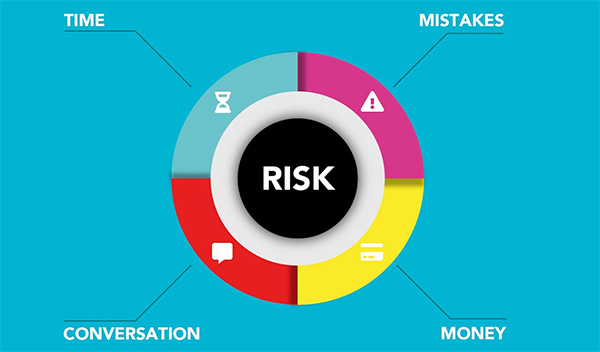
The worst way to buy travel insurance starts with the premium and ends with regret. A sensible approach starts with risk. Medical trouble abroad can cost a fortune, and many domestic health plans refuse to pay outside the country. Evacuation can cost more than the trip itself. Trip cancellation and interruption matter when a traveler books nonrefundable flights, cruises, tours, or lodging. Baggage coverage matters less for basics, yet it matters when the bag carries medication or gear. Cheap policies look generous until the limits show up. Low medical caps and narrow cancellation reasons create the bait.
Medical and Evacuation: The Adult Part
Medical coverage ranks as the least glamorous and most important part of many policies. A traveler can shrug at lost luggage. A traveler can’t shrug at a hospital demanding payment up front. Strong policies spell out emergency medical limits, deductibles, and how they handle pre-existing conditions. That detail causes heartbreak. Some plans cover a pre-existing condition only if the traveler buys soon after the first trip payment and meets stability rules. Evacuation coverage deserves equal attention because it deals in helicopters and fast logistics. Some policies cover evacuation only to the nearest adequate facility, not a preferred hospital back home.
Cancellation, Interruption, and the Myth of “Anything Happens”
Trip cancellation sounds broad, then the policy narrows it with a list. Covered reasons often include serious illness, injury, death in the family, certain weather events, or jury duty. The list rarely includes “changed mind” or “work got busy.” “Cancel for Any Reason” coverage exists, and it carries rules buyers ignore. It often requires early purchase and cancellation hours before departure. It often refunds only a percentage. Interruption coverage matters when a traveler must cut a trip short and buy last-minute flights home. Definitions control payouts. The insurer doesn’t pay for vibes.
Where Policies Come From and Why That Matters
Travel insurance arrives through several pipelines, and each pipeline shapes the product. Buying through an airline or booking site feels easy, yet convenience often hides thin coverage and strict rules. A third-party insurer may offer stronger options, but comparison still takes effort. Credit card travel protections add another twist. Some cards include trip delay or rental car damage coverage, but benefits come with conditions. The traveler must pay with the card. Caps can sit low. Annual plans can help frequent travelers, yet they often limit trip length. The source doesn’t guarantee quality. The terms do.
Clear thinking about travel insurance demands stubbornness. Marketing copy sells comfort. The policy document sells reality. The smart move involves matching coverage to the trip’s weak points, then checking limits, exclusions, and definitions with the seriousness reserved for signing a lease. Medical and evacuation coverage deserve priority for international travel. Cancellation and interruption coverage deserve focus when money sits in nonrefundable bookings. Smaller perks like baggage or delay benefits can help, but they can’t rescue a weak core. Travel insurance works best as targeted risk control, not as a magical refund machine. Treat it like engineering. Build for failure, then go.
Photo Attribution:
1st & featured image by https://www.pexels.com/photo/person-holding-insurance-policy-contract-7734672/
2nd image by https://www.pexels.com/photo/risk-management-chart-5849593/