How to Navigate Public Transport in Asia
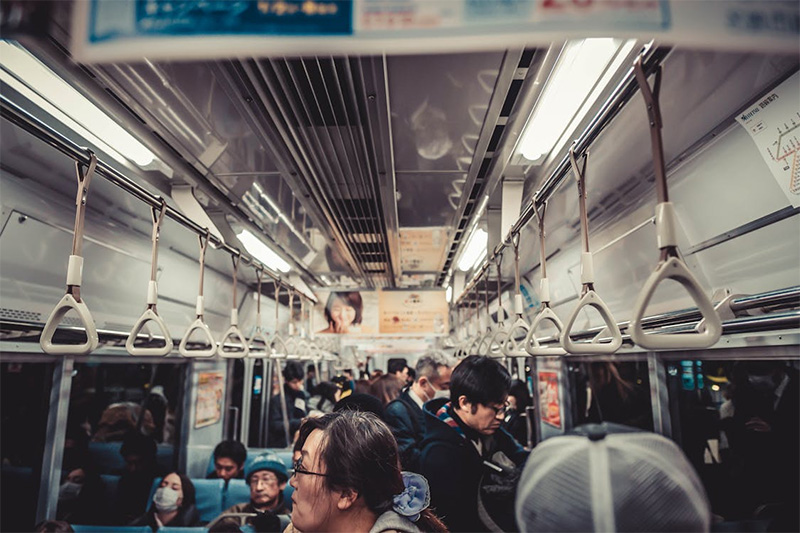
Public transport across Asia doesn’t act like one system. It acts like a family of systems that share a surname and little else. Tokyo runs like a metronome. Manila runs like a rumor. Singapore feels engineered. Delhi feels like a daily negotiation between physics and human will. This variety spooks newcomers because the rules seem hidden. They aren’t. They’re local. The trick is to stop hunting for one grand method and start reading a city’s habits. Tickets, platforms, queues, apps, cash, cards. Each place shows its logic in plain sight, usually on a sign, sometimes in the way everyone’s feet line up.
Read the City’s Transit DNA
Some cities build transport like engineers. Others build it like improvisational theater. The first move involves spotting what dominates. Rail-heavy cities like Tokyo, Seoul, Taipei, Hong Kong, and Singapore reward precision. Lines have numbers, exits have letters, transfers have charts. Bus-heavy cities ask for tolerance and timing. Ferry systems, common in Hong Kong and parts of Indonesia, run on their own rhythm and their own weather moods. A quick scan of a map reveals the truth. If the metro grid covers the core, planning wins. If routes sprawl and overlap, flexibility wins.
Tickets, Cards, and the Tyranny of Gates
Ticketing causes more trouble than geography. Not because it’s hard, because it varies. Many systems run on stored-value cards. Suica and Pasmo in Japan. T-money in Korea. EasyCard in Taiwan. Octopus in Hong Kong. EZ-Link in Singapore. These cards turn a nervous visitor into a competent commuter fast. One sharp edge remains. Some cards cover almost everything, others don’t. A private rail line can follow different fare rules than the metro. A commuter train can charge by distance and punish the wrong exit gate. Gates don’t forgive. Tap in wrong, tap out wrong, pay the price. Cash still matters on buses and in smaller cities. Keep.
Queues, Crowds, and the Social Contract
Public transport runs on manners as much as motors. Queues matter in many East Asian systems, and platforms often paint the rules on the ground. People line up at markers. Doors open. Everyone flows. Ignore that order and the crowd reacts with quiet, icy judgment. Give seats to elders, pregnant riders, and those with disabilities. Noise rules shift by place. Japan leans toward silence and low phone volume. India tolerates a louder, more social carriage. Southeast Asia sits between, with headphones doing the diplomacy. Rush hour isn’t a time. It’s a force. Plan around it when possible.
Apps, Signs, and Not Getting Lost
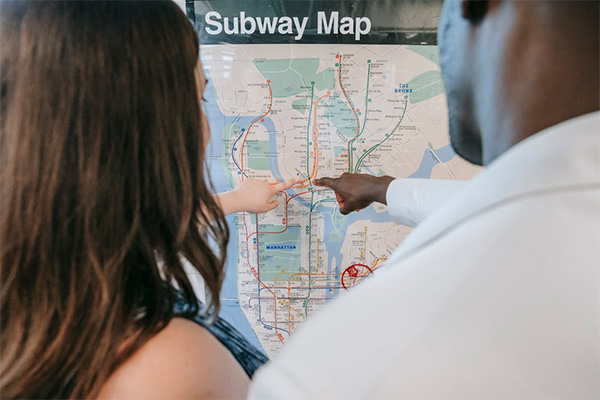
Navigation looks intimidating until the pattern appears. Major systems love bilingual signage, often in English plus the local script. Train lines use colors and numbers because colors and numbers beat panic. Station exits can feel endless in huge interchanges. The correct exit can save a long loop around a highway. Apps help, but not all apps help equally. Google Maps works well in many places, yet local apps can beat it on platform details and last-train times. Keep one principle sacred. Verify the final destination name on the bus or the train display, not just the line number. Lines branch. Displays tell the truth.
Competence on Asian public transport comes from respecting two things at once. Respect the system’s logic. Respect the crowd’s logic. The first gets handled with cards, maps, and attention to exits. The second gets handled with queues, quiet, and a willingness to move aside. Small habits win. Carry small cash. Keep a charged phone. Learn the last train time, because last trains don’t care about late dinners. Watch what locals do when doors open, when escalators split into standing and walking lanes, when a bus conductor calls stops. Transit in Asia rewards humility with speed. That bargain rarely fails.
Photo Attribution:
1st & featured image by https://www.pexels.com/photo/people-inside-of-a-train-1628029/
2nd image by https://www.pexels.com/photo/a-couple-pointing-on-the-map-8555070/