Island Hopping Adventures in Southeast Asia
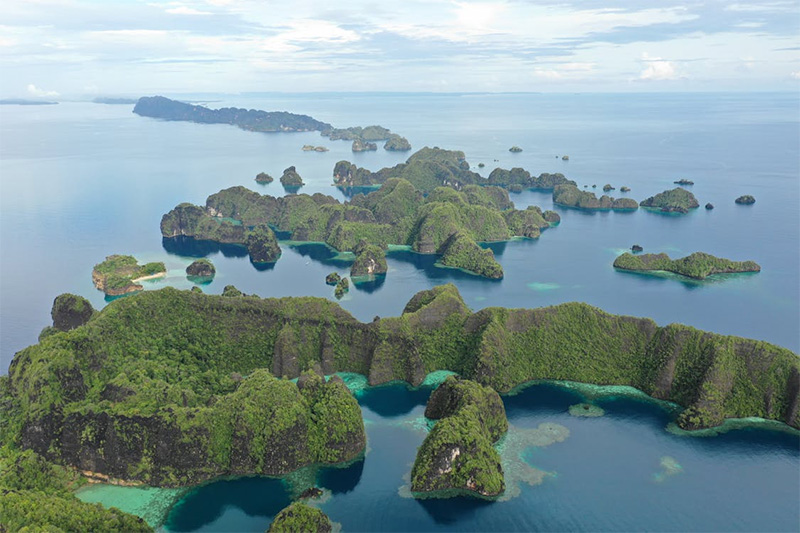
Island hopping in Southeast Asia rewards the traveler who respects two truths at once. The sea offers easy romance. The sea also punishes sloppy planning. Ferries run late. Storms show up like uninvited relatives. Beaches look identical in photos and wildly different in real life, because smell and wind and noise never fit inside a phone screen. What this truly signals is freedom with friction. The good trips accept that bargain. The region’s islands don’t form a neat checklist. They form a mix of languages, boat engines, temple bells, and grilled fish smoke that clings to clothing like a souvenir no one admits to wanting.
Maps Lie, Tides Don’t
Every island chain sells a fantasy of smooth transfers. Reality prefers mess. A “short ride” can turn into two minibuses, a longtail boat, and a ferry that leaves when it feels like it. Schedules exist. Trusting them too much looks cute until the monsoon shifts and the pier turns into a waiting room. Strong travelers watch tide tables, ask locals which side stays calm, and pack for wet landings. Shoes that grip matter more than fashionable sandals. Dry bags beat fancy backpacks. Is this obsessive? Not if phones, passports, and patience deserve protection.
Thailand’s Split Personality: Party, Then Peace
Thailand does islands like a filmmaker does pacing. Loud scenes. Quiet scenes. Repeat. One boat ride can move from neon buckets and bass thumps to a beach where the loudest sound comes from a gecko in a palm. The smart move isn’t to sneer at the party islands or to worship the quiet ones. Use both. Spend a night where chaos runs hot, then escape to a smaller shore where morning starts with coffee and a swim. Food ties it together. Som tam tastes sharper after a late night. A simple curry tastes like rescue after sunburn.
The Philippines: Beauty With Logistics as a Hobby
The Philippines offers staggering coastline, then asks for commitment. Hundreds of islands. Flights that connect through odd hubs. Boats that appear, vanish, then reappear with a different name painted on the side. Anyone chasing lagoons in Palawan or surf towns farther east learns to treat logistics as a daily sport. Book a few things early. Leave room for improvisation. That mix keeps the trip from turning into a spreadsheet with sand on it. The reward comes fast. Limestone cliffs rise like forgotten cathedrals. Water turns a shade of blue that looks fake. Small details seal it. Kids waving from a pier. A family-run eatery serving garlic rice like duty.
Indonesia: Islands as a Philosophy Lesson
Indonesia isn’t one trip. It’s an argument between islands. Bali performs culture with confident flair. Lombok answers with quieter beaches and sharper volcanic silhouettes. The Gili Islands offer bicycles, sunsets, and a reminder that time can slow if engines stay off the streets. Then come the heavier chapters. Komodo brings raw nature and heat that feels personal. Flores and Sumba show traditions that don’t exist for tourists, even when tourists watch. What this truly signals is scale. Island hopping here turns into a study of beliefs, food, and architecture shifting over narrow straits.
A good island-hopping run across Southeast Asia doesn’t chase perfection. It chases contrast, then lives with the rough seams between places. Build slack into transfers. Carry cash for docks that don’t trust cards. Treat sunscreen and hydration like obligations. Culture matters too. Temple dress codes don’t vanish because the view looks tropical. Noise at night carries farther over water, and nobody loves a stranger who treats an island like a stage. The best trips keep curiosity sharp and ego small. After a week of boats, salt, and rain, clarity shows up. The sea doesn’t promise comfort. It offers perspective, and that’s the souvenir.
Photo Attribution:
1st & featured image by https://www.pexels.com/photo/tropical-islands-in-the-ocean-18619490/
2nd image by https://www.pexels.com/photo/crop-traveler-with-compass-on-stony-seashore-4337408/