The Ultimate Guide to Carry On Packing
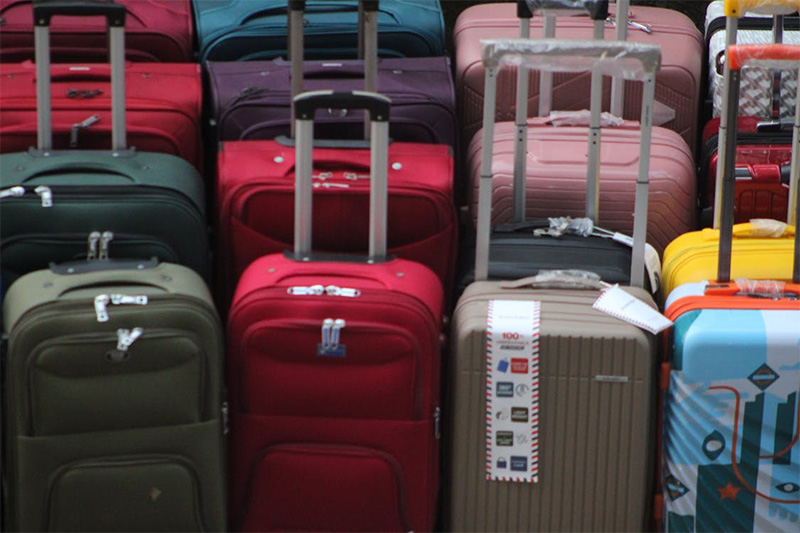
Carry on packing looks like a humble travel chore. It isn’t. It’s a small, portable referendum on judgment. Every item argues for space, and airport rules don’t negotiate. The flashy mistake treats the carry on like a tiny closet. The smart move treats it like a tool kit, built for delays, spills, and surprise questions at the gate. Clothing matters, yes. Systems matter more. Where liquids go. How cords behave. What stays reachable when the line moves and patience dies. Order beats optimism every time, and a tight plan beats a heroic, last-minute shove.
Start With the Gate, Not the Closet
A carry on exists to pass a choke point with dimensions, weight limits, and the occasional agent who decides a bag “looks big.” Check the airline size box first, then pick a bag that fits with slack. Hard shells protect. Soft bags forgive and squish into cruel overhead bins. Keep the bag light before adding anything. Heavy bags tempt overpacking and punish shoulders. Build the list from reality, not fantasy outfits. Weather, meetings, and laundry access dictate the core. Everything else tries to sneak in wearing perfume and good intentions.
Clothes That Behave Under Pressure
Carry on clothes need manners. They must fold small, resist wrinkles, and mix without drama. Neutral tops, one louder accent, and pants that tolerate repeat wear win the week. One spare layer beats a third pair of shoes. Shoes swallow volume, so cap them at two pairs unless the trip demands special gear. Pack socks and underwear into shoe cavities, since empty space counts as failure. Roll knits. Fold structured shirts. Stack weight near the wheels. Repeat outfits. Airports don’t grade originality. Comfort and confidence beat novelty.
Liquids, Batteries, and Other Tiny Tyrants
Liquids must fit the limit and stay easy to pull at security. Put the liquids pouch on top or in an outer pocket that opens fast. Skip giant bottles. Buy small containers or go solid with bars and sticks. Fewer leak points, fewer disasters. Lithium batteries belong in the cabin, so give the power bank and spares a protected spot. Cables turn into snakes. Use one pouch and one charging standard when possible. Medication belongs up front, not buried under jeans. Delays happen. A packed carry on should shrug at chaos.
The Reachability Test
A carry on fails when someone digs for ten minutes while a line forms. Pack in layers. The top holds transit needs: headphones, pen, snack, wipes, light sweater. Keep documents stable in a sleeve. Fumbling at a counter reads like guilt, even when it’s just clumsiness. Put a backup outfit in a cube, since spills and missed connections strike with glee. Add a small laundry bag, since mixing clean and dirty turns the whole bag sour. Then test it. Imagine seat 24B. What gets needed without standing? Pack for that.
Carry on packing rewards the kind of thinking that builds bridges and stages theater. The bridge side demands limits, balance, and a plan that doesn’t collapse under friction. The theater side demands quick changes and props placed exactly where a hand expects them. A good bag cuts stress in plain ways. Less time at security. Less rummaging at the gate. Fewer purchases made out of panic. The best carry on also tells the truth about the trip. It doesn’t pretend each day needs a new costume. It prepares for boredom, delays, spilled coffee, and rooms that run cold. Pack like a realist. Airports respect realism, even when they pretend to respect style.
Photo Attribution:
1st & featured image by https://www.pexels.com/photo/colorful-suitcases-stacked-in-a-travel-setting-34629931/
2nd image by https://www.pexels.com/photo/airplane-parked-at-airport-terminal-gate-35384044/