Tips for Staying Eco Friendly While Staying in Hotels

Hotels sell comfort and convenience, then quietly encourage waste. Fresh towels appear. Lights stay on. Tiny bottles pile up. That polished ease hides a plain fact. Short stays can create a silly amount of trash and energy use when guests drift through them on autopilot. The fix isn’t dramatic. A traveler doesn’t need to give up comfort to cut the damage. Small choices matter, and hotels notice patterns. When enough guests act with restraint, policies shift. Change rarely arrives through noble slogans. It shows up through repeated habits that make waste look careless and dated.
Pack Smart
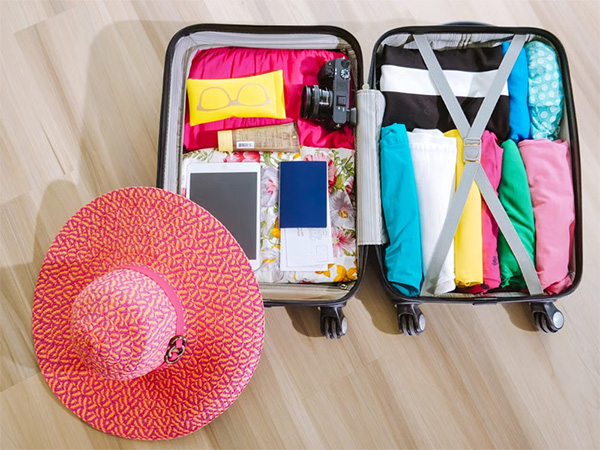
The greenest hotel freebie is the one that never gets touched. Mini shampoo bottles, wrapped cups, throwaway slippers, single-use coffee pods. Convenient, yes. Also ridiculous. A traveler who packs a reusable bottle, basic toiletries, and a cloth bag avoids a pile of trash before check-in even starts. Bring a razor instead of asking for a disposable one. Bring chargers and skip panic purchases at the front desk. Preparation sounds dull. Dull wins. The less a room needs to supply for a quick stay, the less plastic gets used for a few minutes and trashed for good.
Cut Room Waste
Some guests enter a hotel room and act like waste no longer counts. Thermostat cranked. Television running. Bathroom lights blazing. That isn’t luxury. It’s laziness. Turn things off when leaving, even in a large hotel. Size doesn’t erase waste. Keep the temperature reasonable. Close curtains during hot afternoons to reduce cooling. Skip daily linen changes unless they’re truly needed. Towels do not become hazardous after one use. The home standard should follow the traveler into the hotel. Nobody with sense washes every towel after a single shower at home, and a hotel room doesn’t change that logic.
Eat With Restraint
Breakfast buffets reveal how casually people waste food. Eggs scraped into trash. Half a muffin abandoned. Fruit taken out of impulse, not hunger. Take small portions first. Return for more if appetite remains. That simple move cuts food waste better than any sign near the serving line. Avoid disposable cups and cutlery when real dishware exists. Refill a bottle instead of grabbing more plastic water. Room service deserves caution too. Extra napkins, wrapped condiments, and oversized portions can create a small landfill by the bed. Local and plant-forward meals often have a lighter footprint than heavily packaged imports and meat-heavy options.
Book Better Places
Where money goes matters. A hotel that uses bulk dispensers, offers visible recycling, installs efficient lighting, and explains water-saving policies has probably done more than one with a vague promise about caring. Look for real practices, not moral perfume. Read recent reviews for clues about refill stations, transit access, and whether housekeeping respects towel reuse requests. Location matters too. A hotel near public transit or within walking distance of restaurants and attractions can cut car trips without any heroic effort. Put a traveler in the right place and greener choices stop feeling like chores.
Eco-friendly travel doesn’t depend on one grand gesture. It grows out of restraint and a refusal to treat hotel stays as consequence-free. Staff replace the bottles, wash the linens, and empty the bins. The planet absorbs the rest. That arrangement has always been a bad bargain dressed in clean white sheets. Better habits reduce the burden without ruining comfort. Pack a few basics. Use less power. Take only food that will actually get eaten. Support hotels that make solid choices instead of empty promises. Hospitality doesn’t need waste to feel generous. It needs thought, and the industry will keep changing when guests make that demand through ordinary actions.
Photo Attribution:
1st & featured image by https://www.pexels.com/photo/hotel-room-with-the-view-of-tropical-vegetation-out-the-window-16436923/
2nd image by https://www.pexels.com/photo/photo-of-a-packed-suitcase-8212231/