Tiny Travel Fixes That Save Trips
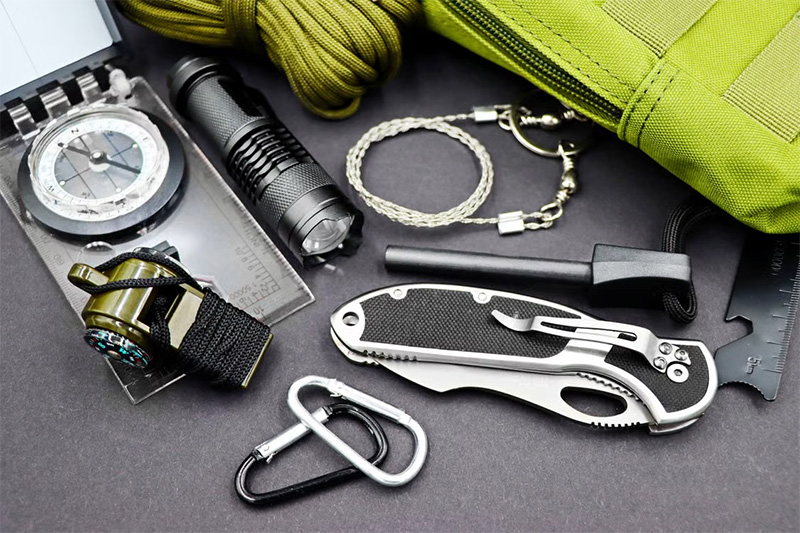
Trips rarely collapse because of one grand disaster. They crack along tiny fault lines. A dead phone at the wrong gate. Medicine forgotten. A hotel address trapped inside an app that won’t load. That’s how chaos enters. Not with fireworks. With nuisance. Smart travel isn’t about heroic planning or expensive gear. It’s about small corrections made early that stop a minor problem from turning ugly. Airports, train stations, rental counters, border checks, all punish carelessness. A little foresight beats bravado every time. The traveler who moves smoothly often isn’t the boldest one. It’s the one who labels a charger, carries a pen, screenshots a reservation, and respects the power of tiny details.
Power First
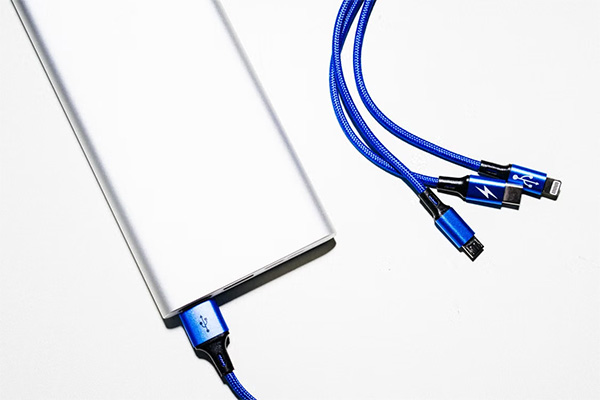
A phone now acts as map, boarding pass, wallet, translator, camera, and proof that a booking exists. Letting it drift toward one percent is absurd. Pack a small battery bank and a short cable. Carry a wall adapter with two ports. Save offline maps before leaving. Screenshot the boarding pass, hotel confirmation, and key addresses. Apps fail. Signals vanish. Screens freeze at the exact moment a train conductor stares with professional impatience. Paper still matters too. One printed page with core details can rescue a day faster than a pile of glowing icons.
Pack for Friction
Packing advice usually swings between two bad extremes. One camp worships minimalism. The other packs like a collapsing dynasty on the run. Sensible packing solves friction. Put one change of clothes and basic toiletries in a carry-on if a checked bag enters the picture. Lost luggage isn’t rare. Use one zip bag for liquids and another for dirty laundry. Keep medicine in original containers and place it where it can be reached fast. Add a stain remover wipe, a few bandages, and pain reliever. These items look trivial at home. In a delayed transfer or on a long walking day, they become civilization.
Money Without Drama
Financial snags wreck trips with savage efficiency. One blocked card, one cash-only taxi, one foreign ATM fee, and the mood sours instantly. Split payment methods. Keep one card in the wallet and another in a separate bag. If theft strikes, total ruin doesn’t need to follow. Carry a modest amount of local cash or withdraw from a reputable ATM. Decline dynamic currency conversion when merchants offer it. Pay in local currency. Alert card issuers before travel if needed. Save customer service numbers somewhere outside the phone. Old-fashioned? Certainly. Effective? Without question.
Build Time Cushions
People pretend tight connections add excitement. Nonsense. They add sprinting, sweat, bad decisions, and missed departures. Add buffer time everywhere. Arrive earlier than pride says necessary. Trains get delayed. Security lines mutate into serpents. Roads clog for no noble reason. A fifteen-minute cushion can save a reservation or the first impression of an entire city. This rule extends beyond transit. Eat before hunger becomes an emergency. Refill water before boarding. Use the bathroom when the chance appears, not when desperation starts bargaining with fate. Tiny pauses protect the day.
The best travel habits rarely look glamorous. Nobody brags about packing a backup card or printing an address. Yet those plain acts keep trips alive when the polished fantasy version starts to wobble. Travel rewards romance in postcards and punishes carelessness in practice. Tiny fixes work because they attack weak points before stress magnifies them. Power, clothing, money, timing. Not thrilling categories. Essential ones. A trip doesn’t need perfect luck. It needs fewer stupid avoidable problems. The seasoned traveler often appears calm not because chaos never arrives, but because the usual trouble finds fewer doors left open. Small preparations don’t drain spontaneity. They protect it.
Photo Attribution:
1st & featured image by https://www.pexels.com/photo/essential-survival-gear-setup-for-outdoor-adventures-34695170/
2nd image by https://www.pexels.com/photo/white-power-bank-and-blue-coated-wires-4072683/
-
 Vacations and Destinations: New Year Hot Spots for 2016
-
 Albuquerque: Experience Spanish and Native American Culture and History
-
 A Complete First-Timer’s Guide to Tokyo
-
 Top Places to Witness the Spectacular Aurora Borealis or Norther Lights
-
 Useful Information When Reading Travel Reviews and Recommendations

