The Quiet Joy of Sleeper Trains
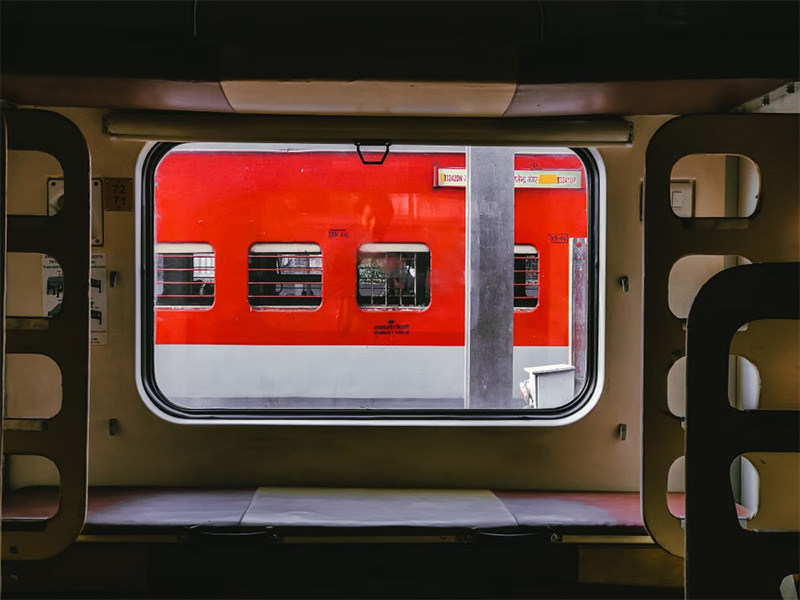
Modern travel worships speed. Airports promise victory over distance. Highways sell freedom, then hand over fatigue. Sleeper trains reject that creed. They move with confidence, not panic. A traveler boards in one city, settles in, watches stations slide past, and wakes somewhere new with the sense that time did not vanish but matured. That difference matters. Motion stops feeling like a tax and starts feeling like part of the reward. Few machines teach patience so gently, or make slowness feel civilized.
Night in Motion
A sleeper car offers one of the rare luxuries left in public life. Privacy without isolation. A berth isn’t grand. No marble. No fake glamour. Yet the small compartment, with its folded bedding, muted lamp, and curtained hush, creates a complete little world. Outside the window, towns drift by in fragments. A crossing light flashes. A platform appears and disappears. Somewhere between dinner and dawn, geography turns theatrical. Sleep arrives with the rhythm of the rails, not as an interruption to travel but as its center. Hotels sit still. Planes numb the body. A sleeper train carries a resting human through darkness with grace.
Time Regained
Modern transport commits a quiet theft. It steals the hours around the trip and leaves stress as compensation. Sleeper trains return those hours. That isn’t nostalgia. It’s arithmetic. An evening departure folds travel into the natural day. A passenger eats, reads, stares out the window, drifts off, then arrives with morning in progress. No predawn scramble to security lines. No ritual humiliation with shoes, trays, and plastic bins. No endless drive where concentration chews through the nerves. Better still, the body doesn’t feel tricked. The transition from one city to another happens gradually enough for the mind to keep up. Romance helps. Practical comfort wins the case.
The Social Whisper
Sleeper trains produce a kind of public behavior that other systems rarely manage. People lower their voices. Conductors speak with calm authority. Fellow travelers nod, share a dining table, trade a few stories, then retreat without offense. It’s a moving village with manners. Design shapes conduct. Cramped jets create territorial combat. Highway travel seals everyone inside private metal capsules where irritation ferments. A night train sets different terms. It asks for modest cooperation and rewards it with ease. Someone passes in slippers. A door clicks shut. Coffee appears in the morning and strangers look less like obstacles and more like companions in a shared passage through darkness.
The View at Dawn
Morning on a sleeper train can make a cynic pause. A passenger wakes, lifts the shade, and finds the world already underway. Fields hold low mist. Factory edges glow pink. Rivers catch the first light. Cities don’t pounce from nowhere. They gather on the horizon and announce themselves with sidings, warehouses, rooftops, then stations. Arrival becomes a process of recognition rather than a jolt. Seeing a place emerge creates a relationship to it. The land between destinations stops being dead space. It becomes narrative. Travel, at its best, should enlarge perception instead of compressing it into a blur. Sleeper trains still remember that truth.
What sleeper trains preserve isn’t just a method of getting from one point to another. They preserve a healthier idea of movement itself. Rest and progress don’t have to fight. Solitude and public life don’t have to cancel each other out. A trip can hold silence, scenery, routine, and surprise at once. That balance feels rebellious in an age obsessed with efficiency. Speed has its place. Nobody sensible denies that. Yet a culture that values only haste grows thin in spirit. The sleeper train answers with a softer logic. Let the night do some work.
Photo Attribution:
1st & featured image by https://www.pexels.com/photo/inside-a-train-12217338/
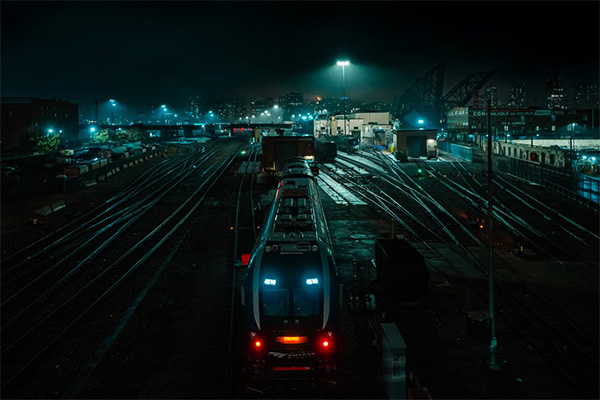
2nd image by https://www.pexels.com/photo/nighttime-train-yard-in-chicago-s-urban-center-38197308/
-
 Check Out What Not to Pack on Your Vacation. Ladies, You Might Be Guilty of the Second
-
 Avoid Having Trouble Sleeping When Flying with These Simple Tips
-
 Let’s Discover the Untouched Beauty of the Isle of Man
-
 Tips to Still Enjoy Your Trips Even if You Have Your Children with You
-
 Types of Student Abroad Programs That Can Provide Lots of Benefits

