Pocket Sized Tricks for Longer Trips
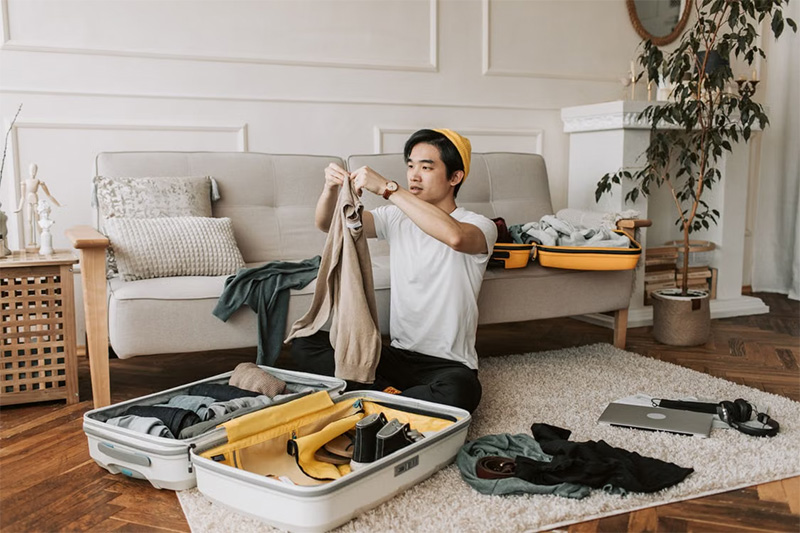
Long trips rarely fail because of one dramatic mistake. They usually unravel through small annoyances that pile up fast. A dead phone. A stiff neck. A boarding pass buried in the wrong pocket. Travel advice often loves big slogans. Pack smart. Plan ahead. Stay flexible. Fine. Yet the real skill lives in the tiny move, the object so modest it barely seems worth carrying. That is where endurance starts. A longer trip needs less heroism and more friction control. Comfort isn’t luxury. It’s fuel. Efficiency isn’t cold. It’s freedom inside a pouch and cable.
The Pocket Command Center
Every solid traveler needs one tiny zone of control. Not a bulky organizer with a hundred slots. One small pouch or slim case. Inside it go the items that stop chaos before it starts. A power bank, cable, wall plug, earbuds, pen, pain reliever, and copies of key documents. The goal isn’t to carry more. The goal is to stop rummaging. Few things drain patience faster than digging through a bag on a platform while the line moves. A compact command center cuts that mess short. It creates a ritual. Charge it at night. Refill before leaving. Check it during transit.
Fabric Beats Optimism
Clothing choices sabotage trips with surprising ease. People trust hope when they should trust fabric. A cotton shirt may look fine in the mirror, then trap sweat, wrinkle fast, and stay damp for hours. Longer travel rewards clothes that dry quickly, layer well, and handle repeat wear. Merino wool earns its reputation honestly. It resists odor, handles temperature swings, and doesn’t act fussy. A light scarf or buff deserves respect. It works as neck support, warmth layer, sleep aid, and emergency towel. Compression socks matter too. Not glamorous. Neither is swollen ankles. Tiny fabric choices shape energy more than most admit.
Snacks, Water, Sanity
Travel hunger isn’t normal hunger. It arrives sharper and meaner. Delays stretch. Airport food punishes the wallet. Roadside options often promise regret. A small food kit fixes more than appetite. Nuts, jerky, dried fruit, crackers, gum, electrolyte tablets. Nothing fancy. Reliable beats interesting when blood sugar drops and judgment starts to wobble. Water deserves the same respect. A collapsible bottle saves space when empty and money when full. That sounds minor until the third refill of the day. Dehydration makes everything feel harder and louder. A traveler who eats and drinks early doesn’t seem lucky. That traveler prevented stupidity.
Sleep in Hostile Territory
Long trips attack sleep with ugly persistence. Seats don’t recline enough. Hotel curtains leak light. Hallways host midnight philosophers in flip-flops. Tiny sleep gear punches far above its weight. Foam earplugs cost almost nothing and return hours of life. An eye mask tells the brain to stop arguing with overhead lights. A packable neck pillow can help too, though many are overbuilt nonsense. The good ones support without eating half a carry-on. A familiar balm can cue rest through scent and routine. Humans are ritual machines in modern clothes. Give the body a pattern and it often cooperates. Ignore sleep and the whole trip grows brittle.
The best travel tricks rarely look impressive. They look almost laughably small. A pouch. A scarf. Earplugs. A snack bag. That is exactly why they work. Big plans fail under pressure because fatigue erodes discipline, while small systems survive because they ask little and give a lot. That is the logic of easier travel. Remove tiny sources of friction and the larger trip stops feeling like a test. More patience follows. Better mood. Sharper decisions. Fewer expensive mistakes born from exhaustion. The smart traveler doesn’t chase perfection. The smart traveler builds tiny advantages and lets them carry the load mile after mile.
Photo Attribution:
1st & featured image by https://www.pexels.com/photo/a-man-packing-clothes-in-a-suitcase-7365327/
2nd image by https://www.pexels.com/photo/pens-and-markers-on-case-53874/