Lisbon for Tiles Tarts and Tram Views
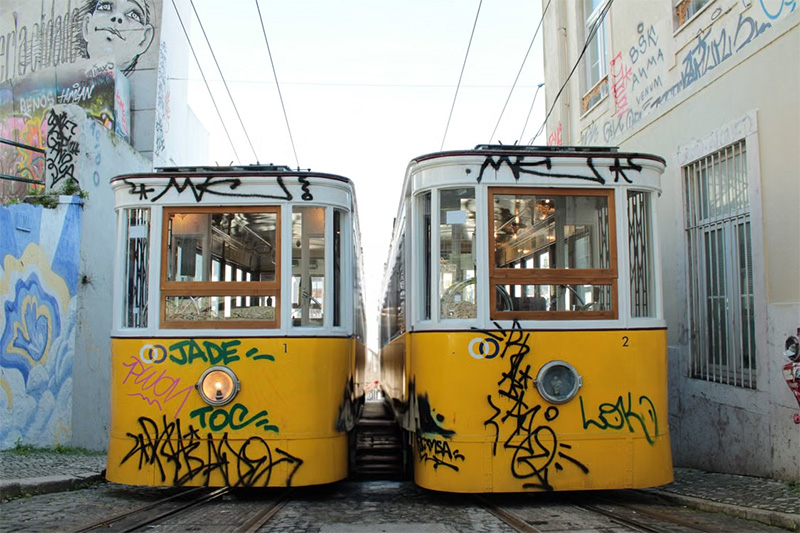
Lisbon has the rare gift of feeling theatrical without turning fake. Many cities sell charm like a polished trinket. Lisbon doesn’t need the trick. The place spills down hills, flashes blue from tiled walls, rattles with old trams, and smells like sugar and toasted custard when hunger sharpens into obsession. What this city offers isn’t just sightseeing. It’s a chain reaction of surfaces, flavors, and steep climbs. One corner gives a church facade dressed in ceramic pattern. Another gives a lookout where red roofs tumble toward the Tagus. Then comes the tart. Crisp shell. Burnished top. Soft center. Lisbon knows how to feed delight.
Blue Walls
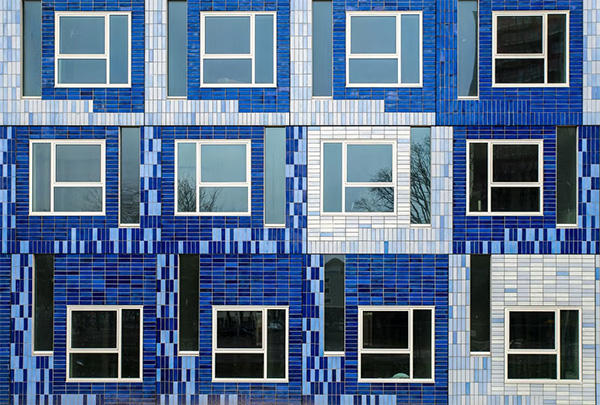
Tiles in Lisbon don’t act like background decoration. They argue with sunlight. They catch the eye from across a square and then reveal pattern and wear. Azulejos cover homes, stations, chapels, and storefronts with confidence. This matters because Lisbon understands a hard truth about cities. Plain utility deadens the spirit. Surface matters. Ornament matters. A wall can teach memory. Walking through Alfama or Bairro Alto becomes visual rhythm, all those blues, yellows, greens, and white grids beating against stucco and stone. The real lesson waits outside, where daily life keeps brushing past art.
The Tart
Pasteis de nata inspire silly language from weak travel writing, yet the tart deserves the drama. Lisbon’s great version lands with precision. The pastry should shatter a little. The custard should hold silk and scorch in the same bite. Cinnamon and powdered sugar sit nearby like optional applause. Belem gets the fame, and the old bakery there still draws lines because ritual improves appetite. Excellent tarts appear across the city, in cafes where marble counters, espresso cups, and brisk service create the proper stage. One tart never settles the matter. A second becomes research. A third becomes conviction.
Tram Drama
The trams and funiculars don’t just move bodies. They dramatize gravity. Lisbon’s hills refuse the lazy fantasy of a flat capital, and the old yellow tram turns that refusal into style. Tram 28 has become famous enough to annoy purists, which is often the fate of anything genuinely good. It’s crowded because the route is good. The car groans through old quarters, brushes past facades close enough to study, and climbs streets that look almost invented. Then the miradouros enter the picture. These lookout points offer one of Europe’s great urban pleasures. Rooftops, church domes, laundry lines, the river’s broad gleam.
Street Pulse
A city can’t live on pretty surfaces alone. Lisbon avoids that trap because daily life keeps cutting through the postcard image. Laundry hangs where tourists aim cameras. Elderly residents talk across narrow lanes as if the street were an extra room. Grilled sardines send smoke through summer air with the force of a local argument no outsider can win. Markets, corner bars, tiny groceries, late dinners, and the scrape of shoes on old paving stones give the place weight. Even the riverfront carries more than scenic value. Lisbon never struts. It endures.
What stays with a traveler isn’t a checklist of monuments. It’s the rhythm. Steep lanes, sudden viewpoints, tile flashes, the bell note of a tram, the sugar crackle of a tart eaten too quickly because another sight waits around the bend. Lisbon excels at sequence. One pleasure sets up the next without strain. The city also understands scale. Grand churches and river panoramas matter, yet a doorway pattern, a cafe counter, or a hand-painted sign can carry equal force. That balance explains the devotion Lisbon inspires. It feels storied without becoming stiff. It feels beautiful without becoming smug. Fewer capitals invite lingering with such grace.
Photo Attribution:
1st & featured image by https://www.pexels.com/photo/iconic-yellow-trams-in-graffiti-laden-lisbon-street-33324057/
2nd image by https://www.pexels.com/photo/geometrical-view-of-wall-with-windows-and-blue-tiles-5502409/