The Art of Finding Quiet in Busy Destinations
Crowded places promise excitement, color, novelty, and motion. They also exhaust the senses fast. A famous market, a packed beach town, a capital city at noon, a shrine with a line around the block. All of it can feel electric for an hour and punishing by midafternoon. This contradiction rarely appears in travel ads. Popular destinations sell intensity, yet most travelers crave relief almost as much as sights. Quiet does not mean fleeing the destination. Quiet means moving through noise without letting noise run the day. It means spotting pockets of calm that frantic visitors miss while chasing landmarks like contestants in a show.
Timing Beats Distance
Many people assume silence lives far from the center. Not always. Often the calmest version of a busy place appears at an unfashionable hour rather than in a remote corner. Dawn changes everything. Streets that choke with tour groups at ten can feel ceremonial at six-thirty. Evenings can do the same after the dinner rush breaks. Distance costs energy, while timing costs discipline. A traveler who wakes early gains more than empty sidewalks. That traveler gains a different city, one run by bakers, delivery workers, and dog walkers. The place stops performing and starts breathing.
Read the Edges
Busy destinations train attention toward the obvious. Main squares, headline museums, signature overlooks, the street every guidebook photographs to death. Quiet hides at the edges of those magnets. One block over. One staircase up. One courtyard in. Urban life works like theater. The spotlight dazzles, while the wings stay half ignored. That neglected strip often holds the best bench, the least frantic café, the church side chapel nobody notices, or the tiny park where parents outnumber tourists. Even transit hubs contain dead zones with stillness. None of this sounds glamorous. Good. Glamour attracts crowds. Peace prefers modesty.
Build Small Rituals
Silence is not only a feature of place. It is a behavior. This point gets ignored because modern travel culture worships accumulation. More stops, more photos, more reservations, more proof of having been there. A foolish game. A traveler can stand in a beautiful district and remain trapped in a checklist. Quiet enters when the body receives a pattern that says, slow down now. Buy coffee and drink it without walking. Sit for fifteen minutes before entering the next site. Keep one meal each day unplanned. Tiny rituals sound trivial. They are not. They create a border against frenzy.
Choose Shelter Wisely
Accommodation shapes the emotional weather of a trip, yet travelers often treat it as a storage locker with plumbing. That mistake poisons everything. A loud room on a party street can turn even a lovely destination into a test of nerve. The trick is not simply booking far away. Isolation can become its own annoyance, with long commutes replacing street noise. The smart choice balances access and retreat. Look for rooms facing courtyards, upper floors away from bars, and neighborhoods with morning life rather than nightlife. Quiet is easier to find when a dependable refuge waits nearby.
The search for calm in popular places is not a timid habit. It is a serious travel skill. Crowds push people toward speed, sameness, and shallow attention. Quiet restores judgment. It lets a visitor notice the grain of a door, the change in light on stone, the local rhythm that mass tourism tries to flatten into one endless transaction. Famous destinations do not need less life. They need better looking. The person who learns where to stand, when to arrive, what to ignore, and how to pause will not merely survive a busy place. Noise shows the surface. Quiet reveals the structure underneath, and that is where memory takes hold.
Photo Attribution:
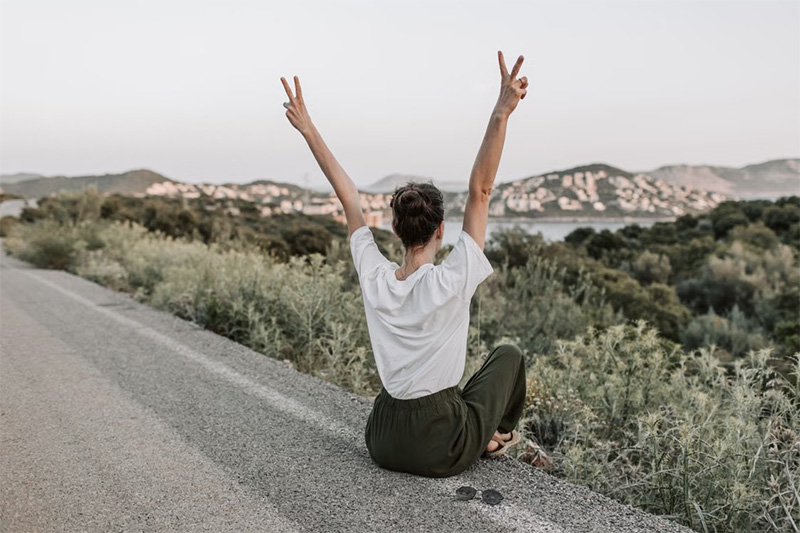
1st & featured image by https://www.pexels.com/photo/woman-sitting-on-the-road-making-a-peace-sign-7902950/
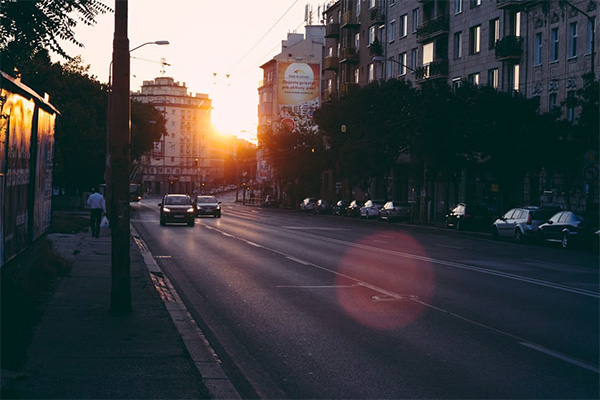
2nd image by https://www.pexels.com/photo/view-of-sunset-on-road-670735/