Tips for Making International Travel Fun for Everyone

Every year, airports fill with travelers grasping passports and hope, but why does so much international travel end in grumbling? The same old story: missed connections, meals that miss the mark, lost in translation with taxi drivers. Some swear by detailed planning; others chase spontaneity. But neither alone guarantees fun. The trick? A blend—enough structure to dodge chaos, enough freedom for the unexpected spark. People forget that “fun” isn’t universal either; what’s bliss to one is boredom to another. So what’s the actual route to smiles all around? Start by tossing boring routines overboard and embracing a smarter approach from departure gate on.
Pick Destinations with Range
Cities bursting with museums can overwhelm even the most avid sightseer. The winning move is variety. Select places offering both high-energy thrills—kayaking, street food—and spaces for downtime—a quiet garden or simple café. Not every companion wants nonstop adventure; some just want a nap or an hour nursing coffee while locals drift past. Group dynamics depend on balance more than individual taste. Is there something for history buffs as well as Instagram-happy teens? That’s when everyone gets excited without anyone dragging their feet behind every cathedral tour guide.
Plan Loose, Not Tight
Schedules packed tighter than carry-on suitcases rarely leave room for joy—or those happy accidents involving pastry shops or impromptu festivals lurking down alleys. A loose itinerary wins every time over minute-by-minute checklists ticking off “top attractions.” Sketch out one must-do activity per day, then let everyone veer off if curiosity strikes elsewhere. No rigid plans means fewer arguments and less disappointment when plans change (because they always do). Real flexibility allows travelers to follow local leads instead of clinging to pre-trip research that missed half the magic anyway.
Understand Food Is Culture
Nothing sparks group meltdown faster than hunger in an unfamiliar place— restaurant choices becoming battlefields of opinion and stomach rumbling impatience. Here’s where compromise shines: alternate between adventurous tasting missions (mystery stews nobody can pronounce) and guaranteed crowd-pleasers like pizza or noodles found worldwide. Let each person pick one meal stop per trip; now bragging rights are at stake, not just full bellies. It becomes about discovery together rather than forcing anyone into silent resentment or settling for bland hotel buffets.
Empower Everyone
Too many trips flop because a single traveler turns dictator—mapping every museum visit before breakfast even starts brewing back home months earlier. Democracy works better abroad: rotate decision-making power daily or divide it among interests (“Today someone else picks sightseeing; tomorrow shopping boss takes charge”). This way, even quieter members influence the experience and feel invested in outcomes instead of stewing on sidelines while louder personalities steer everything toward their own pet interests—exactly how resentment creeps in unnoticed.
So here’s what emerges from all this: Fun isn’t an accident when traveling abroad—it gets built deliberately with care and attention to group needs big and small. Mix up experiences so nobody gets bored or overwhelmed, ditch jam-packed schedules for breathing room, treat meals as shared adventures not logistical headaches, and spread decision power across everyone involved—not just planners-in-chief who think they know best but often don’t listen enough. Suddenly trips don’t just succeed—they’re remembered fondly long after bags are unpacked back home again.
Photo Attribution:
1st & featured image by https://www.pexels.com/photo/private-jet-flying-above-with-blue-sky-33291138/
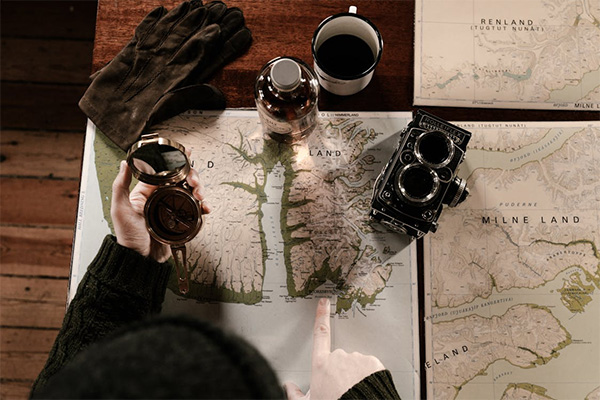
2nd image by https://www.pexels.com/photo/man-looking-at-a-map-and-holding-a-vintage-compass-4905089/