Beyond Tokyo: Discovering Japan’s Hidden Gems in the Countryside
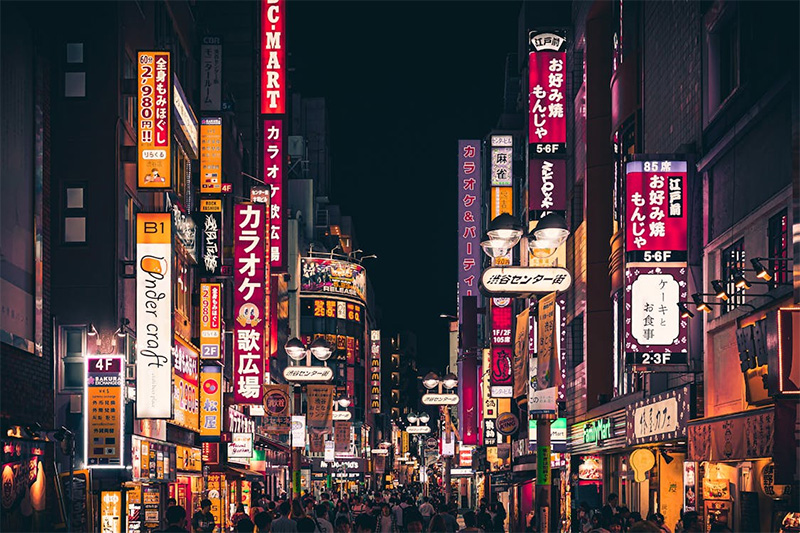
Few tourists look beyond the neon sprawl and surging crowds of Japan’s megacities. But that’s a rookie error. The country’s magnetic pull hardly begins and ends with Tokyo’s buzz or Osaka’s street food lines. Real Japan hides in the folds, mountain valleys, sleepy fishing harbors, forest shrines where time drags its feet. Out there, culture isn’t a performance; it just breathes. Locals nod without fuss. Old inns creak in the cool air. It’s here, far from train stations drowned in camera flashes, that the nation turns honest and unforgettable. Is this escape? Maybe, but it feels more like discovery, plain and simple.
Timeless Villages and Narrow Lanes
Step into Shirakawa-go, nothing about it shouts for attention. Thatched roofs slope under winter snow as if holding old secrets tight. Electric lines barely intrude; cars drive slow or not at all. Strolls bring flurries of crows overhead, rice paddies at your feet, grandmothers sweeping silent steps before sunrise. No glossy museum signs in sight here, just houses built by generations who knew patience better than hurry. Unhurried meals, a steaming bowl of soba with local mountain greens, change the standard for what counts as “authentic.” Try to rush through? Good luck; even time has to walk slower on these misty lanes.
Craft Traditions in Unexpected Corners
Forget souvenir shops stacked with mass-market trinkets; real craftsmanship waits off-grid. Head north into Tohoku, where lacquerware glimmers brighter than any skyscraper light show, and made by hands stained red from decades at workbenches older than most countries’ governments. Watch an Aizu artisan polish a wooden bowl until reflections appear: pride beaten into shape by repetition no robot understands. Pottery towns like Mashiko live by rules that haven’t changed since samurai days, kilns burning day and night, silence broken only when someone opens a kiln to gasp at new colors born from fire and risk.
Rural Festivals Few Ever See
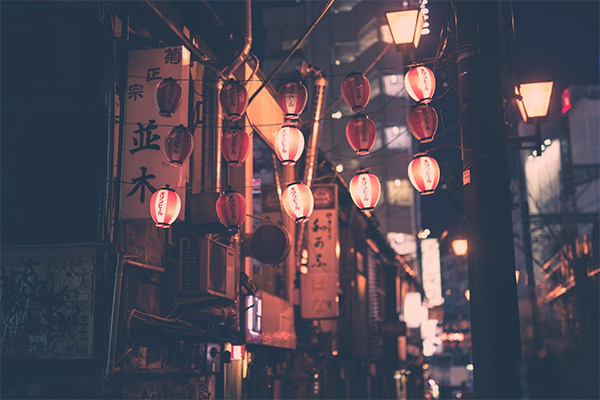
Cities get their fireworks shows, but rural matsuri festivals rewrite the rules of spectacle entirely. Take a summer evening in Gujo Hachiman: the entire town spins together for hours-long dance rounds that swallow up strangers as easily as locals (no awkward tourist gawkers here). Lanterns float down rivers, drums pound rhythm into earth so hard your shoes vibrate with each step on ancient stone bridges nearby. Don’t expect English announcements or velvet ropes, this isn’t for showbiz but sheer fun carried down centuries like secret family recipes shared only after dark.
Nature’s Drama Beyond Bullet Trains
Is a bullet train impressive? Sure, it moves fast enough to blur lakes into gray streaks behind tinted windows. But speed cheats experience out of substance every single time. Pause for once: hike up Kiso Valley’s mossy trails instead of flashing past them on rails built for commuters too busy to notice moss exists at all! Along quiet paths lined with cedar trees older than Tokyo Tower itself, each turn brings vistas nobody bothered to Instagram yet, a rushing river here, hidden shrine there, all adding up to proof that rural Japan dares you to slow down just long enough to remember how small human dramas really are compared to ancient mountains.
Of course, the pulse of Japanese life will always thrum loudest in city centers lit by vending machines and crosswalk beeps echoing late into night skies thick with neon haze. But skip out on countryside adventures? The price is paid out in missed stories, the kind whispered over tatami mat floors or along wooded trails marked only by fox footprints and fading lantern glow after last trains have left empty stations behind. The real treasure gets tucked away off main roads every single time, waiting for anyone willing to chase it down.
Photo Attribution:
1st & featured image by https://www.pexels.com/photo/people-walking-on-the-street-2506923/
2nd image by https://www.pexels.com/photo/turned-on-street-light-590478/