How to Avoid Jet Lag on Long Flights
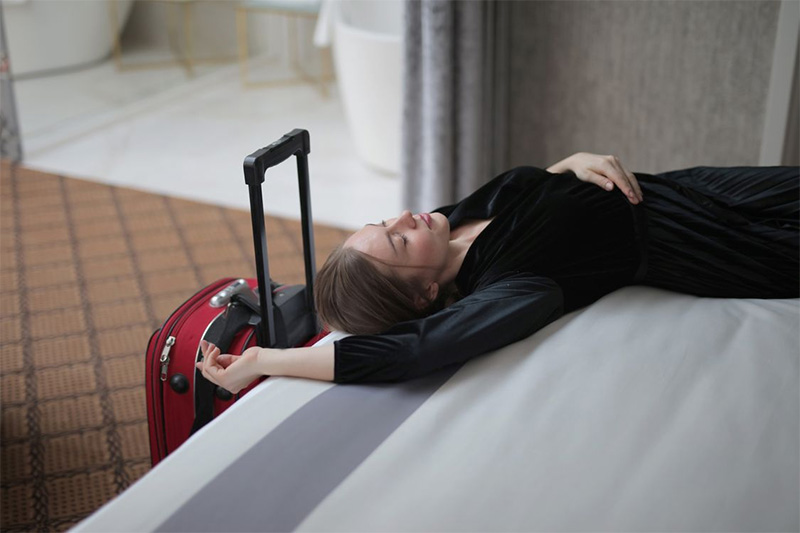
Jet lag isn’t a moral failing. It’s biology with a wristwatch, and the wristwatch wins until it doesn’t. The body runs on light, meals, motion, and habit. A long flight plays those four instruments out of order, like a bad orchestra tuning up in public. Sleep gets chopped into scraps. Dinner appears at 3 a.m. on the home clock. Legs sit still for hours, then expect to march through customs like nothing happened. Relief doesn’t come from one heroic trick. It comes from choices made before boarding, during the flight, and in first daylight after arrival.
Shift the Clock Before the Cabin Door Closes
The smart move starts before wheels-up. A body can’t jump time zones cleanly, yet it can slide. For eastbound travel, bedtime needs to creep earlier, even by 20 to 40 minutes a night. For westbound, bedtime can drift later. Meals should follow that drift, because the gut keeps time too and it complains when ignored. Caffeine belongs in the first half of the waking day of the destination schedule, not the home schedule. Alcohol pretends to help sleep and then sabotages it with fragmented rest and dehydration. Treat the destination like the new boss, and the body starts obeying.
Light Is the Hammer. Use It With Intent
Light drives circadian rhythm more ruthlessly than any slogan. Morning light tells the brain to advance the clock. Evening light tells it to delay. Eastbound travelers need bright light early after arrival and should dodge harsh light late at night. Westbound travelers do the reverse and welcome late-day light. Sunglasses matter. A hotel room with blackout curtains matters more. Screens matter, because a bright phone close to the face counts as a tiny sunrise at midnight. Melatonin can help as a gentle nudge, yet sloppy timing turns it into a coin flip. Take it near the destination bedtime, not at random in seat 32B.
Build a Flight Routine That Doesn’t Self-Sabotage
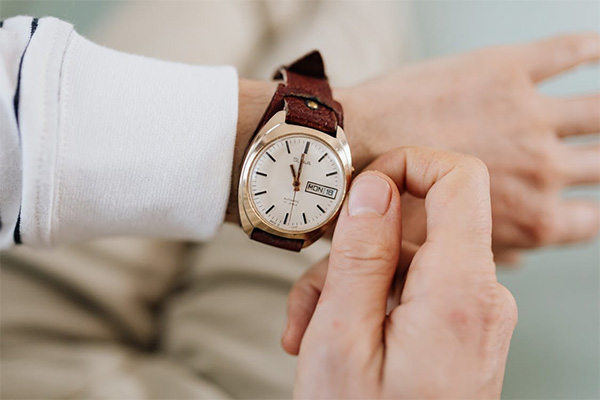
A long flight tempts passengers into a strange, floating lifestyle. Snack. Doze. Scroll. Repeat. That pattern breeds jet lag because it refuses to choose a time zone. Pick one. Set the watch to destination time soon after boarding, then act like that time matters. If it’s destination night, aim for sleep. If it’s destination day, stay awake and read something boring on paper, not a glowing screen. Hydration needs discipline, since dry cabin air pulls moisture steadily. Keep food light. Move every hour or two. Stand, stretch calves, roll ankles, walk the aisle safely.
Land Like a Scientist, Not a Tourist
Arrival day decides whether the next three days feel normal or cursed. A nap can rescue the wrecked traveler, yet it must stay short. Twenty minutes works. Ninety minutes can work if it completes a cycle. Three hours at 4 p.m. buys misery. Eat on local time even if hunger lags. Get outside, because indoor lighting rarely resets the brain. Moderate exercise helps, especially movement in daylight, not a late-night gym punishment. Keep the first evening calm. A long, late dinner with alcohol looks sophisticated and acts like sabotage. Sleep needs a firm bedtime, a cool room, and a mind that accepts wake-ups.
Jet lag fades when the body receives clear signals, repeated with boring consistency. Confusion thrives on mixed messages. Bright light at odd hours, random meals, long naps, and the false comfort of alcohol create that confusion. The better approach looks dull. Shift sleep and meals before travel. Commit to the destination clock in the air. Drink water, move the legs, keep food light, and protect sleep. After landing, chase daylight or avoid it depending on direction, then keep the first night clean and structured. The prize isn’t just feeling less tired. It’s arriving with a brain that can think and a mood that doesn’t snap.
Photo Attribution:
1st & featured image by https://www.pexels.com/photo/woman-in-black-long-sleeve-dress-lying-on-a-bed-3926324/
2nd image by https://www.pexels.com/photo/person-wearing-a-wristwatch-6328850/