A Hiker’s Paradise: Exploring the National Parks of North America
There’s something magnetic about open trails, dirt beneath boots, air sharp enough to wake every cell. The continent delivers: canyons hotter than a stovetop, peaks that seem engineered by the drama department, rivers too cold for polite swimmers. And crowds? Ignore them; wide spaces exist for those willing to hunt a little. The truth is, North America might be the only place where alpine lakes and desert badlands coexist under one passport stamp. That kind of variety lures hikers year after year, not just with scenery, but with promise. Everyone’s searching for something different: silence, challenge, maybe bragging rights.
Rugged Majesty in the Rockies
Mountains don’t whisper here, they shout. The Rocky Mountains stretch from Canada all the way down into New Mexico, carving up the landscape with a wild sense of theatre. Banff flaunts turquoise lakes ringed by stone giants; Yellowstone tosses in geysers and roaming bison as if it’s no big deal. Glacier stuns visitors with craggy ridges and ancient icefields still breathing through summer heatwaves. Trails range from gentle family strolls to hikes that’ll batter legs and refill souls at the same time. Weather changes on a dime, pack layers or pay for it later. Adventure demands respect, not excuses.
The Desert Holds Secrets
Heat radiates off Utah’s red rocks like an oven set to broil, and yet humans still flock here in droves. Arches National Park splays its sandstone wonders as if sculpted by a giant’s whimsy; Zion weaves corridors of shadow and sun that swallow up noise completely. There are places so stark, in Joshua Tree or Arizona’s Saguaro, that silence feels heavier than any backpack ever could. Water becomes treasure out here; shade turns precious as gold bullion in July sunshine. Don’t expect mercy from these parks, the reward comes only after sweat stains clothes and shoes are caked with dust.
Green Kingdoms on Both Coasts
Coastal parks flip the script entirely, lush forests swap arid canyons for cathedral groves dripping with moss and fog thick enough to erase footsteps behind you. Olympic shines wet or dry: mountains meet rainforest meet Pacific surf without apology or warning signs posted at every switchback bend. Great Smoky Mountains trade ocean spray for Appalachian mist where salamanders thrive and autumn leaves explode into painterly chaos each fall season rolls around again. In Acadia, granite cliffs skirt chilly Atlantic tides, a combination so rare even seasoned hikers pause their steady pace just to stare.
Winter Wonders Above the Treetops
Snow changes everything, even familiar paths feel foreign under winter’s hush. Yosemite enters dream territory when granite domes wear white crowns; snowshoeing replaces boots as the tool of choice in Yosemite Valley and beyond Tuolumne Meadows’ wind-scoured heights. Banff reappears each winter wrapped in quiet grandeur, ice replacing tourist chatter over Lake Louise while elk wander silent forests below frozen cascades of blue icefalls lining every ridge line worth climbing twice over “just in case.” No crowding here: only crisp air, animal tracks snaking ahead and horizons glittering brighter than summer memory alone could conjure.
Is it adventure people crave most, or connection? Maybe both hide along these winding trails stitched through protected land from Alaska down to Florida’s Everglades boardwalks suspended above swamp fog like secret passageways through time itself. National parks offer endless escape without demanding expertise, just curiosity (and decent socks). The best routes rarely show up on social media first; they’re found step by muddy step or breath hauled in thin air high above tree lines forgotten by phones entirely. No spreadsheet needed, only willingness to see what waits around another bend tomorrow morning brings.
Photo Attribution:
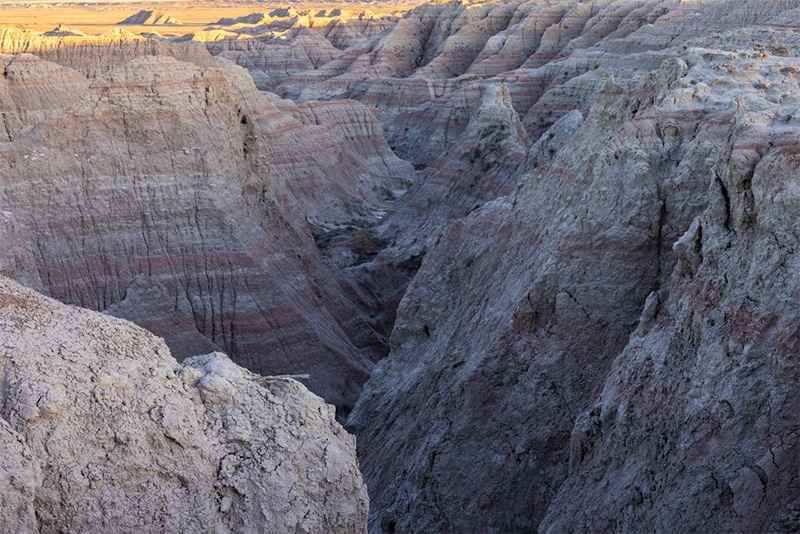
1st & featured image by https://www.pexels.com/photo/landscape-of-badlands-national-park-near-wind-prairie-overlook-17241498/
-
 Having a Long Haul Flight with a Child? You Can Survive this Experience with these 10 Essential Travel Tips
-
 Tips When Traveling to Crowded Locations
-
 Traveling with Friends and Not Fighting During the Trip
-
 5 of the Best Natural Hot Springs You Need to Dip Your Body In Soon
-
 Essential Items to Bring When Packing for a Music Festival

