How to Respect Local Cultures While Traveling
Travel sells a fantasy of personal freedom, then reality arrives with a bill. Shoes off at the doorway. Quiet on the train. No photos in the shrine. The traveler who treats these as cute quirks, or worse, as obstacles, turns a living culture into a theme park. Respect starts earlier than the airport. It starts with the admission that a visitor knows less than locals about what matters, what hurts, what signals status, what signals contempt. Etiquette isn’t decoration. It’s social engineering refined over centuries, the daily software that keeps people from grinding each other into dust.
Do Homework, Not Tourism Theater
Respect begins as research, not performance. Read a basic history of the place, not just a list of “top ten must-sees.” Learn the pressure points that shape what counts as polite. Religion, colonial memory, ethnic divisions, class markers. Language matters too. A few phrases do more than smooth transactions. They signal humility. Mispronounce them. Locals forgive clumsy effort faster than lazy silence. Stop treating “authenticity” as a product. Chasing staged “local experiences” often turns people into props. That isn’t curiosity. That’s consumption.

Dress, Space, and the Politics of the Body
Clothing looks personal until it becomes public speech. In many places, it screams. Modesty codes don’t exist to ruin vacations. Communities built shared expectations about sexuality, status, and safety. Ignore them and the traveler broadcasts disrespect, even when intention stays innocent. This extends past fabric. Personal space rules vary. Some cultures pack close in markets and buses. Others treat distance as dignity. Watch what locals do. Copy that. Physical affection follows the same logic. A quick kiss can read as nothing, or as a challenge. Even eye contact shifts meaning. The body speaks before words.
Money, Bargaining, and Dignity
Cash carries moral weight. A traveler who tosses money around buys resentment along with souvenirs. Over-tipping can insult. Under-tipping can exploit. Learn local norms, then follow them with consistency. Bargaining deserves suspicion when done as sport. In some markets negotiation counts as normal. In others it counts as petty. Either way, the vendor isn’t a character in a travel story. The vendor pays rent. Pay fair prices. Ask before photographing workers. Support local businesses during normal hours, especially during prayer times or holidays.
Sacred Places and Everyday Rules
Sacred spaces demand discipline. Follow signage. Ask staff what’s allowed. Put the phone away when asked. No one needs another shaky video of a ritual that never belonged to an audience. Many traditions restrict certain areas by role or gender. A visitor doesn’t pick that fight on the spot. Accept it, then think about it later with more context and less ego. Everyday rules deserve the same seriousness. Noise limits, queue habits, recycling practices, even how to hand over a card. Break them and locals must police the outsider. Adaptation isn’t surrender. It’s competence. Small compliance prevents big misunderstandings later, repeatedly.
Respecting local culture while traveling doesn’t require sainthood. It requires restraint, attention, and a willingness to feel slightly awkward without turning that discomfort into a crusade. The best travelers treat mistakes as data. Apologize quickly. Correct course. Keep moving. The worst travelers treat mistakes as injustice, as if the world exists to validate a vacation. A culture doesn’t owe convenience. It offers access, conditional and precious, to its streets, its food, its rhythms, its private logic. That access grows when visitors show curiosity without greed, confidence without arrogance, and generosity without theatrics.
Photo Attribution:
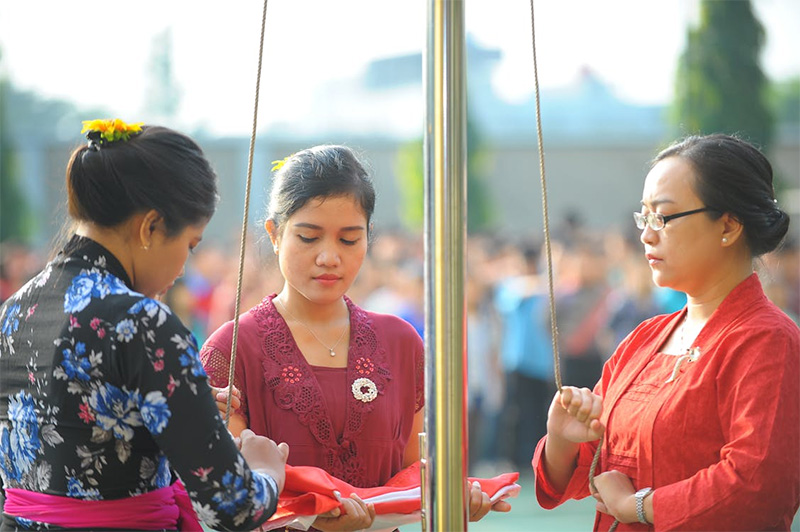
1st & featured image by https://www.pexels.com/photo/women-solemnly-hang-the-flag-on-the-flagpole-18414460/
2nd image by https://www.pexels.com/photo/wall-of-bookstore-in-town-in-turkey-21223141/