How to Confidently Use Public Transit in Any New City

A new city can make even a smart traveler feel lost for a moment. Streets twist. Station signs seem cryptic. Local riders move with the calm speed of people who already know the trick. Public transit isn’t magic, though. It’s a system, and systems can be read. Every city has its own style, but the basics stay familiar. Routes connect homes, jobs, food, and landmarks. Confidence comes from method. Learn how to read the map, sort out payment, watch the flow of riders, and recover quickly from small mistakes. Once that happens, transit stops feeling intimidating and starts feeling useful.
Start With the Map
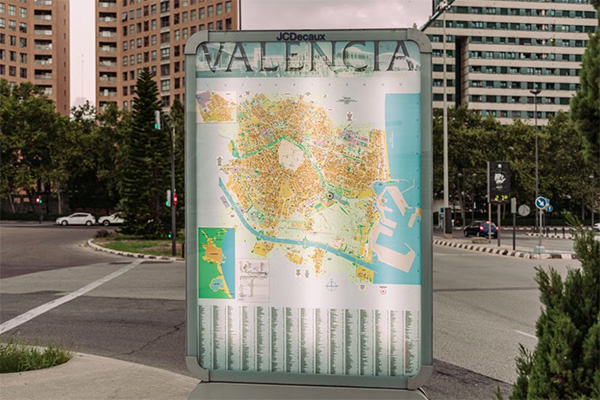
Confidence starts before anyone steps onto a platform. A transit system looks confusing when seen as a giant web of lines and names. It gets simpler once the rider picks a starting point and one or two important destinations. Trace those routes first. The official transit map often helps more than a generic travel app because it shows major hubs, line branches, and transfer points clearly. Most cities have a few important lines that carry the system. Learn those first. A newcomer needs direction, a sense of the main stations, and a clear grasp of inbound versus outbound travel.
Handle the Fare Early
Fare confusion causes more stress than the ride itself. Find out how payment works before leaving for the station or stop. Some cities use tap-to-pay cards or phones. Others rely on paper tickets, transit cards, or exact cash. Some systems require tapping in and out. Some expect riders to keep proof of payment for inspection. Buy a day pass if several rides are likely. Keep a backup payment option ready. Solve the money question first, and the rest of the trip becomes much easier.
Watch the Flow
Local riders reveal a lot, though copying them without thinking can backfire. Watch where people stand and which signs they check. Notice which platform side fills up and which train cars stay crowded. Those patterns often expose useful facts about exits, express service, or boarding habits. Cities develop their own transit etiquette, and ignoring it creates friction fast. Still, the crowd isn’t always right. Check the line number, the destination display, and the stop name before boarding. That brief pause prevents a long ride in the wrong direction.
Recover Without Drama
The real key to confidence isn’t avoiding every mistake. That standard is nonsense. The real key is fixing mistakes quickly. Miss a stop. Get off at the next one and reset. Board the wrong train. Cross over and return. End up confused inside a station. Stop moving, read the posted map, and check the app. Panic makes small errors worse. Calm fixes them. Most transit mistakes cost a few minutes, not a ruined day. Ask a station agent or driver a direct question if needed.
Public transit in a new city can seem built for insiders, but that impression fades once the basic logic becomes clear. The signs make sense. The routes connect. The stations stop feeling hostile and start feeling practical. Preparation matters. Observation matters. Calm matters most of all. A traveler doesn’t need perfect instincts or boldness. A traveler needs a simple plan, the right fare, a habit of checking details, and the sense to treat mistakes as normal. That approach turns transit into more than transportation. It becomes freedom. A city opens up once movement no longer feels like a gamble and starts feeling like second nature.
Photo Attribution:
1st & featured image by https://www.pexels.com/photo/photo-of-a-woman-in-a-white-blazer-holding-a-brown-notebook-5358116/
2nd image by https://www.pexels.com/photo/map-of-valencia-on-street-21287038/
-
 Tips for Navigating Language Barriers While Traveling
-
 Things You Will Learn from Traveling to India
-
 The Best Hiking Trails in Southeast Asia
-
 There’s Always Something to Do in New York City! Check Out What You Shouldn’t Miss on Your Visit to the Big Apple
-
 Exploring the Galápagos Islands: Nature’s Living Laboratory

