A Guide to the Quirkiest Free Museums in London
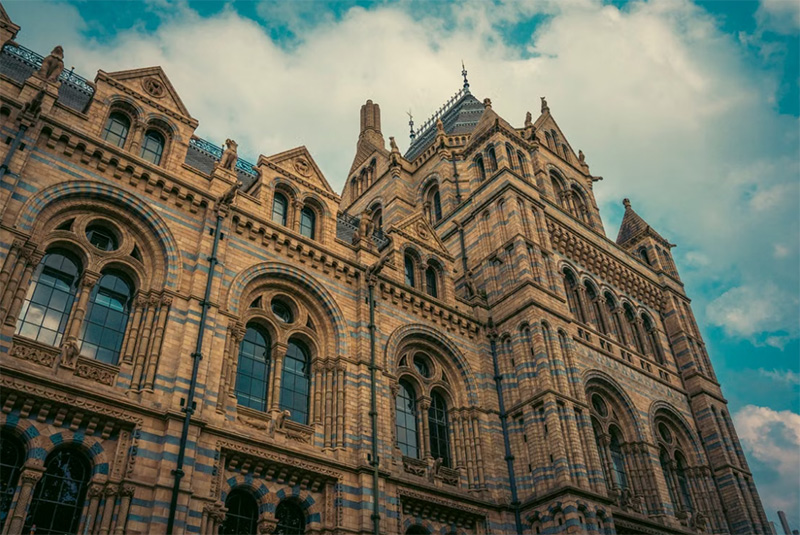
London hides its oddest treasures in plain sight. Most visitors chase the famous giants, then wonder why the city can feel staged. The stranger free museums fix that problem fast. They preserve the bits of history that don’t fit neat postcards. Fans, surgical tools, jars of specimens, even dog collars. Ridiculous? On the surface, yes. Worth seeing? Absolutely. These places show London at its most revealing, because a city’s odd collections expose its habits better than its grand monuments do. Obsession, classification, fashion, science, vanity. They all sit behind glass here, often in rooms far quieter and more memorable than the blockbuster institutions.
Hunterian Shock
The Hunterian Museum at the Royal College of Surgeons offers one of London’s bluntest experiences. Preserved organs, skeletons, and old surgical instruments fill the galleries with unnerving force. This isn’t casual sightseeing. It’s a confrontation with the physical reality of medicine before comfort took over presentation. That’s exactly why the museum matters. Scientific progress came through cutting, testing, and documenting the body in ruthless detail. The collection makes that history impossible to soften. London likes to celebrate achievement. Here, the city also shows the raw material behind it.

Fans With Teeth
The Fan Museum in Greenwich sounds delicate, almost silly, until the displays start proving otherwise. A hand fan carried status, flirtation, craftsmanship, and social code all at once. Painted leaves and carved sticks turn a small accessory into a record of taste and class performance. That’s the museum’s great trick. It takes an object many people dismiss as decorative fluff and reveals how much power and theater it once held. London has always adored performance in public life. A fan fit that world perfectly, whispering rank and intention without a word.
Nature Gets Weird
The Grant Museum of Zoology has the packed, slightly chaotic energy that many larger museums have lost. Skeletons, jars, and rare specimens crowd the space, giving it the feel of a collector’s mind made visible. That intimacy works. Zoology becomes more vivid when it stops pretending nature is tidy. This museum understands that. Evolution produced elegance, absurdity, and plenty of nightmare fuel, and the displays don’t hide any of it. London’s gift for collecting shines here. The city took strangeness seriously, put it in cabinets, and opened the doors for free.
Collars and Class
The Dog Collar Museum at Leeds Castle sits beyond central London, yet it earns a spot on any list of great oddities near the capital. Dog collars tell a sharper social story than expected. Some were built for protection during hunts. Others dripped with ornament and aristocratic vanity. That contrast says plenty about class, work, and the changing role of animals in human life. The museum’s small scale helps. Nothing distracts from the message. Even a simple collar can reveal affection, status, fear, and the old human habit of dressing power in decoration.
These museums rescue London from becoming too polished. The famous landmarks still matter, of course, though they rarely expose the city’s personality as clearly as its odd collections do. The quirky free museums show a culture obsessed with preserving everything, from anatomy to accessories. That impulse feels comic at times. It also feels deeply serious. A society reveals itself by what it saves. London saved the strange, the specific, and the faintly absurd. Good for London. Visitors willing to step off the usual path get something richer than a checklist. They get history with its quirks intact.
Photo Attribution:
1st & featured image by https://www.pexels.com/photo/historic-architecture-of-london-s-natural-history-museum-28798489/
2nd image by https://www.pexels.com/photo/a-person-doing-laboratory-works-with-specimens-8940462/