Overnight Trains That Turn Transit Into Adventure
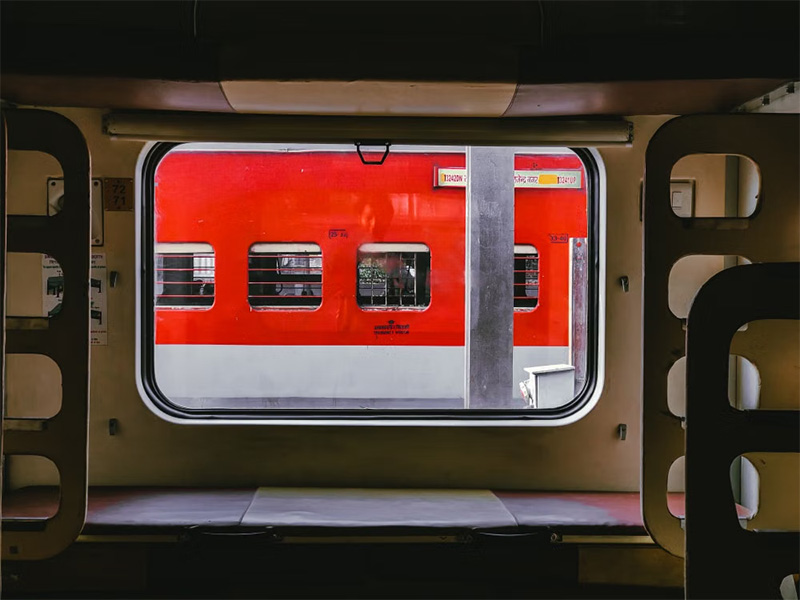
Night rail travel restores drama to movement. A traveler boards in one city under lamplight, settles into a berth or seat, hears the low metallic murmur of departure, and wakes somewhere altered. That change matters. Modern transit usually strips away the feeling of distance. Airports compress geography into waiting rooms and plastic coffee lids. Overnight trains refuse that dull trick. They let motion remain visible and audible. Windows catch station lights. Sleeping cars creak with old confidence. The route itself becomes part of the trip rather than dead time to survive. This is not nostalgia for its own sake. It’s a plain claim that some forms of transport carry more human meaning than others. The best night trains make travel feel like passage instead of processing, and that distinction is enormous.
The Theater of the Carriage
Trains gather people in a way planes rarely do. A plane packs bodies together and suppresses contact with engineered boredom. A night train invites observation. The dining car, the narrow corridor, the attendant folding bunks, the quiet exchange between strangers at midnight near the vestibule. This is social architecture. One sees business travelers loosening into conversation, backpackers treating the route like a moving hostel, older couples watching station platforms with calm focus. A carriage at night becomes a small public stage. That phrase fits. The train organizes chance meetings without forcing them. Solitude remains available. Company remains possible. Cars isolate. Planes anesthetize. Overnight rail still allows a person to feel present among other lives. Even silence feels shared rather than imposed, which is a rare achievement in modern transport.
Why the Best Routes Linger
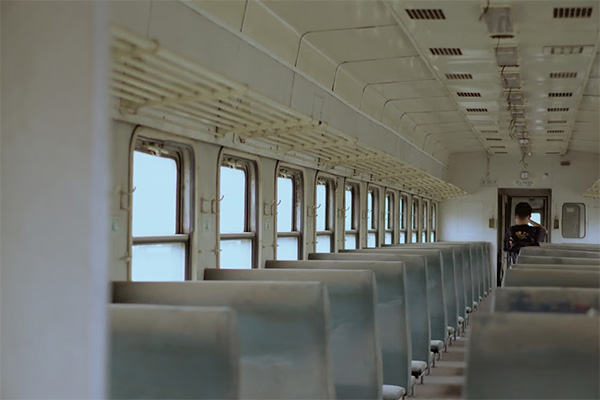
The most memorable night routes resist the mania for speed at all costs. Fast rail has its place. Night service belongs to a different category, closer to a moving inn than a projectile. That difference explains its loyal following. People remember the clink of breakfast cups, the conductor calling a station before sunrise, the glimpse of another train flashing past in the dark. Memory clings to rhythm. Overnight rail has rhythm in abundance. A route from Paris to Vienna, from Bangkok toward Chiang Mai, or across the Scottish Highlands can feel less like a transfer and more like a chapter. That’s the key word. Chapter. Night trains give a journey internal shape, and shape turns movement into story. When transit offers story, people stop treating travel as a tax and start treating it as part of life.
What keeps overnight trains fascinating is not novelty. Novelty burns off quickly. Substance remains. These trains answer a hunger that modern transit often ignores, the hunger for movement that feels earned and alive. They save a night and cut hotel costs. Those practical gains help explain their survival. They do not explain their magic. The stronger explanation sits elsewhere, in the way rail travel lets time stretch just enough for reflection, conversation, and surprise. A culture obsessed with frictionless speed has mistaken numbness for progress. Night trains expose that mistake with every softly lit corridor and every sunrise approach into a waking city. They remind travelers that transit can shape mood, memory, and even judgment. A good route does more than connect points on a map. It teaches that distance still means something when the tracks begin their patient argument. That lesson feels almost radical now.
Photo Attribution:
1st & featured image by https://www.pexels.com/photo/inside-a-train-12217338/
2nd image by https://www.pexels.com/photo/empty-train-seats-5212116/