Night Markets Worth Missing Dinner For
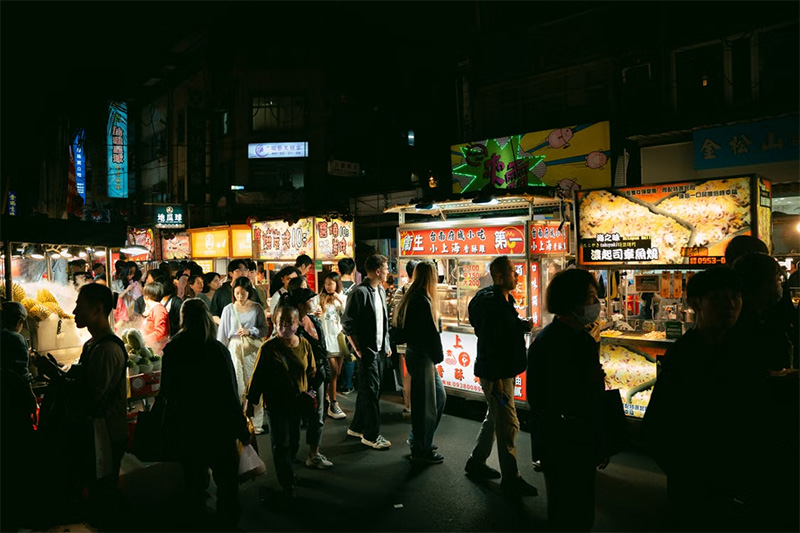
Dinner often gets too much credit. A reservation at seven, a neat menu, a chair that demands posture. Fine. Also dull. Night markets do something better. They throw food into motion, into steam, smoke, and noise, into the old habit of gathering after sunset because daylight never owned appetite. Flavor matters, of course, and the best stalls deliver it with confidence. Yet the real draw is focus. A whole block seems built for one purpose. Feed people well. Feed them fast. Feed them with style. The strongest markets don’t just sell snacks. They reveal migration, memory, class, and pride in few bites.
Taipei After Dark
Taipei’s night markets train the senses to stop acting spoiled. Raohe and Shilin earn their fame. The pepper buns at Raohe show why. Crust first. Broth next. One bite cracks, then floods. Oyster omelets, scallion pancakes, giant fried chicken cutlets, and papaya milk keep the pace moving. Then stinky tofu barges in and wins by force of character. Taipei understands contrast. Sweet sits beside funk. Crunch meets chew. Anyone searching for timid food has chosen the wrong city. These markets reward curiosity and punish caution, which is exactly what serious street food should do.
Bangkok’s Electric Appetite
Bangkok at night feels like a city trying to outcook its own legend. Rot Fai, Jodd Fairs, and side-street clusters don’t beg for praise. Hunger brings people in. Grilled pork skewers hit first, glossy and direct. Mango sticky rice follows with absurd grace. Boat noodles, crispy mussel pancakes, fiery salads, and coconut ice cream pile on. Bangkok remembers something many polished restaurants forget. Excess can be smart. A stall may look chaotic, yet the cook controls heat and timing with accuracy. That precision hides inside apparent disorder. Bangkok’s food comes out swinging, and that force is skill, not mess.
Seoul on the Move
Seoul’s night markets know how to seduce a crowd without losing discipline. Myeongdong turns snacking into theater. Gwangjang gives the whole business more grit and age. Hotteok burns the fingertips a little. Good. Tteokbokki arrives scarlet and unapologetic, fish cakes bob in broth, and gimbap disappears almost as soon as it lands. Then there’s bindaetteok, a mung bean pancake with deep savory pull. Seoul builds flavor in layers, then serves it fast. The city exposes a hard truth about modern eating. Convenience does not have to mean compromise. Quick cooking can still carry memory, craft, and a fierce sense of place.
Mexico City at Midnight
Mexico City belongs in any serious talk about nighttime eating because it treats the late meal as civic duty. Street corridors and markets pulse with tacos al pastor shaved from the trompo, quesadillas, esquites bright with lime and chile, and churros that smell like a trap. This food doesn’t whisper history. It shouts through marinade, masa, and the practical brilliance of feeding a giant capital one tortilla at a time. Students, workers, families, and insomniacs all crowd the same counters. Plenty of cities talk about community. Mexico City puts salsa on it and hands it over hot.
The best night markets don’t just answer hunger. They correct bad ideas about what a meal should be. Formal dining likes to separate pleasure from motion, noise, bargaining, and chance. Night markets reject that. They insist that great food can come in paper, eaten standing up, chosen on impulse, and remembered for years. They also show a city’s real character after sunset. Caution fades. Appetite gets honest. That is why skipping dinner for a market feast never feels like sacrifice. It feels like replacing routine with discovery. The food matters. The crowd matters too. Smoke, shouting, sticky fingers, one last bite. That whole mess is the meal.
Photo Attribution:
1st & featured image by https://www.pexels.com/photo/vibrant-night-market-scene-with-food-stalls-32223212/
2nd image by https://www.pexels.com/photo/city-skyline-during-night-time-5149096/