Eating Well at Train Stations
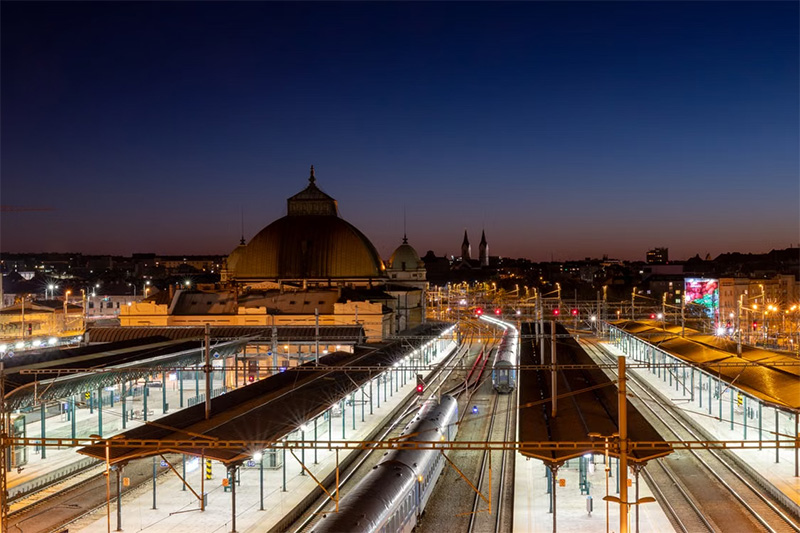
Train stations have a bad food reputation, and much of it was earned. Greasy pastries under plastic. Coffee that tastes like punishment. Sandwiches built for survival, not pleasure. Yet that old picture no longer tells the whole story. Many stations now sit where speed, regional identity, and retail ambition meet, which means the food can range from dreadful to genuinely good, sometimes within twenty feet. A station meal isn’t just fuel before departure. It’s a quick lesson in how a city treats hurried people. Some places offer dignity. Others offer shrink-wrapped regret. The smart traveler learns to spot the difference fast.
Read the Room
The first rule is simple. Don’t buy the first thing in sight. Stations are built to catch distracted people, and distracted people make expensive, mediocre choices. Look around before committing. A kiosk beside the main entrance often survives on panic purchases. A counter slightly off the main flow usually has to win business with better food or better prices. Watch what workers do. Railway staff and delivery drivers rarely gamble on bad lunch if they have a choice. Their habits reveal the station’s real food map.

Pick Food That Travels
A station meal often has to survive motion, delay, crowding, and the indignity of being eaten one-handed near a platform column. That fact should govern the choice. Foods that collapse, drip, or demand a table usually disappoint in transit. Rice bowls with secure lids, sturdy wraps, simple noodle dishes, yogurt, bananas, and grain salads tend to perform well. The logic is plain. Mobility changes taste. A perfect croissant becomes a flaky disaster on a moving train. A carefully stacked burger turns into a shirt stain with ambitions.
Dodge the Sugar Trap
Stations adore sugar because sugar sells fast to tired people. Giant muffins, frosted buns, candy bars, bottled frappes, and glossy pastries glare from every case like tiny neon signs for bad judgment. The quick hit feels useful. Thirty minutes later comes the slump, and the platform suddenly seems louder and more hostile. A better move pairs protein, fiber, and water. Greek yogurt and nuts. Cheese with an apple. A turkey sandwich with plain coffee. This isn’t dietary puritanism. It’s strategy. Travel already batters attention and patience.
Use the Place
Good station eating improves when the food reflects the city instead of copying the same formula found everywhere else. Regional bakeries, local coffee counters, seafood stands in coastal terminals, and small family-run stalls near commuter lines often offer the strongest meals in the building. This point goes beyond sentiment. Local operators usually care about repeat business and reputation in a way generic chains often don’t. A station can act like a miniature food map if someone pays attention. Even a quick stop can say something real about place. Food stripped of place becomes mere calories.
Eating well in a train station doesn’t require luck as much as discipline, observation, and a mild distrust of shiny convenience. The best choices usually aren’t the loudest ones. They look fresh, travel well, and leave the eater clearer and less annoyed an hour later. This small skill matters because station food sits inside a larger truth about travel. Every trip contains tiny decisions that shape the whole day. A decent meal can soften delay, crowding, and bad weather. Stations will keep selling junk because junk is easy. Sharp travelers don’t have to accept that bargain.
Photo Attribution:
1st & featured image by https://www.pexels.com/photo/panoramic-view-of-illuminated-plzen-main-railway-station-czech-republic-17095484/
2nd image by https://www.pexels.com/photo/unrecognizable-person-at-table-with-plate-7114107/