Eating Your Way Through Oaxaca
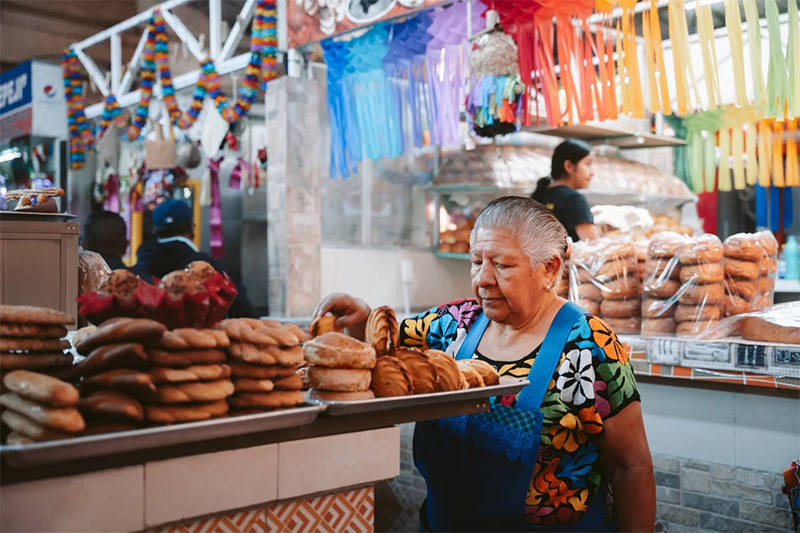
Oaxaca greets visitors with smoke, corn, herbs, heat, and cacao drifting from markets before breakfast settles into day. Food here isn’t a side attraction. It’s the archive, the family record, and the geography lesson on a plate. Plenty of places in Mexico claim greatness at the table. Oaxaca doesn’t need to claim it. The proof sits in clay pots, on comales, in baskets lined with cloth, and in cooks’ hands. A meal here moves through Indigenous methods, colonial leftovers, local stubbornness, and hunger. Nothing tastes accidental.
Markets First
Any serious approach to Oaxacan food starts in markets. Benito Juárez and 20 de Noviembre don’t just sell ingredients. They stage the whole edible drama at once. String cheese gets pulled into ribbons. Chiles sit in mounds like warning flares. Fresh tortillas arrive warm enough to fog a paper wrapper. This is where tlayudas make immediate sense. The giant toasted tortilla carries beans, cheese, cabbage, avocado, and meat without collapsing. Memelas deserve equal respect. They look modest, but their thick corn base and sharp salsa can land harder than dishes with twice the ceremony. Markets teach the first hard lesson about Oaxaca. Simple doesn’t mean basic.
Mole Has Teeth
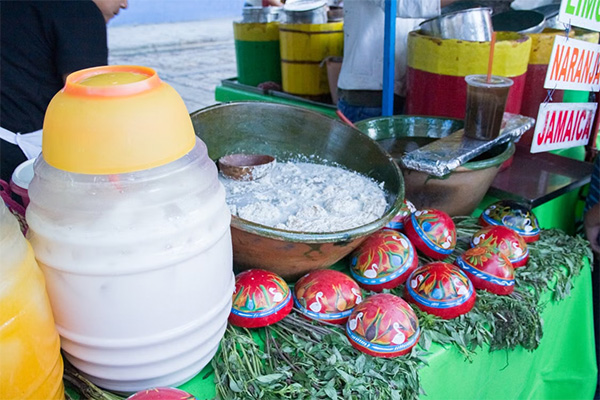
Too many outsiders talk about mole as if it were one sauce. That’s lazy thinking. Mole in Oaxaca behaves like strong-willed relatives who share a name and argue constantly. Negro, coloradito, rojo, amarillo, manchamantel, chichilo, verde. Each one pushes in a different direction. One leans smoky and dark. Another brightens with herbs. Another turns earthy and severe. A good mole unfolds in waves. First chile. Then spice. Then nuts or seeds. Then a bitter edge that keeps the dish alive. Moles don’t exist to coat meat and look dramatic in photographs. They carry history and expose weak kitchens instantly, because balance can’t hide behind decoration.
Corn, Always Corn
Anyone trying to understand Oaxacan cooking without focusing on corn has taken a wrong turn. Corn isn’t a side note. It’s the structure holding the cuisine upright. Nixtamalization changes dried kernels with lime and water into something more nutritious, workable, and delicious. On the plate, that becomes masa with depth. Tortillas here often smell almost floral, with a richness that factory versions never approach. Tetelas, folded into neat triangles and stuffed with beans or cheese, show how restraint can still feel generous. Tamales wrapped in banana leaves bring softness and perfume. This isn’t merely comfort food. It’s agricultural intelligence and daily labor turned edible.
Sweet, Bitter, and Sharp
A meal in Oaxaca doesn’t fade at dessert, and it doesn’t end before a drink enters with force. Oaxacan chocolate often arrives frothed, spiced with cinnamon, grainy in the best way, and paired with pan de yema for dunking. Then mezcal changes the rhythm. It cuts through richness, throws smoke back into the conversation, and insists on attention. Served with orange slices and sal de gusano, it creates one of those combinations that sounds improbable until the first sip settles the matter. Sharp salt. Bright citrus. Deep spirit. A region’s palate in miniature.
What makes eating in Oaxaca memorable isn’t just excellence. It’s the way the food refuses separation from the life around it. Corn links field to kitchen. Mole links feast day to family line. Market stalls link commerce to gossip, appetite to routine, and craft to survival. Even a quick bite can feel grounded in something larger than lunch. Plenty of famous food cities serve polished dishes. Oaxaca serves memory with texture, smoke with discipline, sweetness with edge, and tradition that still moves rather than sitting still for admiration. Arrive hungry. Follow the smoke. If a sauce tastes hard to explain, that’s probably a sign of success.
Photo Attribution:
1st & featured image by https://www.pexels.com/photo/traditional-mexican-bakery-in-oaxaca-market-33703911/
2nd image by https://www.pexels.com/photo/close-up-of-food-stand-16684592/
-
 Reasons Why Tourists in Iran Always Have Something Great to Say
-
 Lisbon Alleys and Custard Tarts
-
 How Not to be a Problematic Tourist Who Causes Problems to the Locals
-
 5 of the Best Natural Hot Springs You Need to Dip Your Body In Soon
-
 Keep Your Kids Safe When Traveling to Crowded Areas This Christmas

