Exploring Ancient Ruins in Central America
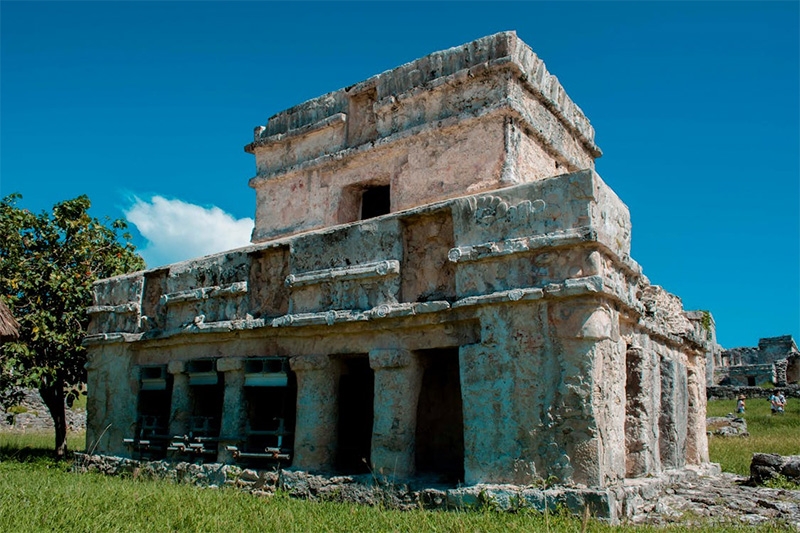
Central America doesn’t whisper history. It shouts it from limestone staircases, plazas staged for ceremony, carvings that refuse to behave like “art” and instead act like documents with teeth. The ruins across this narrow bridge of land don’t sit politely in the jungle. Vines grab at cornices. Roots pry at blocks. Parrots heckle the serious-minded visitor. The strange part is how modern the old cities feel once clichés get stripped away. These were planned places, governed places, taxed places. People worried about rain, trade, rivals, food, status. The stones remain. The anxieties linger in geometry.
Stone Cities, Living Forest
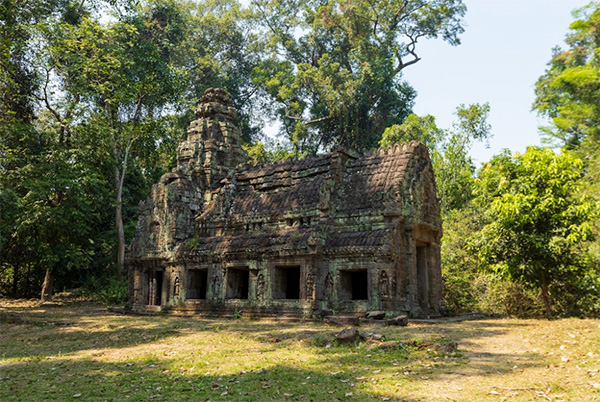
The first lesson comes fast. The forest doesn’t frame the ruins like a museum display. The forest tries to eat them. That friction shapes the mood of many sites, especially in the Maya zone, where a pyramid can look triumphant and half-submerged. Slick steps, softened corners, masonry that holds its line anyway. That stubbornness matters. Builders cut blocks, hauled them, set them, aligned them with a seriousness that doesn’t fit the fantasy of “lost tribes.” These were engineers with deadlines. A mound might look natural until a corner exposes a stair. A hill turns into a palace. The forest teaches humility. The stones teach ambition.
Calendars, Kings, and Quiet Propaganda
People love to call the ruins spiritual. That word often means “confusing.” The truth looks sharper. Many monuments push a political story. Stelae name rulers. Panels brag about captures. Temples sit on platforms that force bodies to look up, as if obedience could come from posture alone. The calendar system, so often treated like numerology, also acts as paperwork. Dates fix events and lock in claims. A king who ties a victory to a sacred count doesn’t just celebrate. He makes dissent feel like heresy. The glyphs demand slow reading, yet the goal stays blunt. Power wants to appear inevitable.
Trade Routes and the Taste of Obsidian
A ruin never stands alone. Cities rose where goods moved. Salt from coasts. Jade from highlands. Cacao from humid lowlands. Obsidian from volcanic zones, sharper than steel when knapped well, perfect for blades and status pieces. Its presence can expose a city’s connections. Roads mattered, rivers mattered, canoe traffic mattered. Markets mattered most. Merchants carried news and prices and gossip, fuel of politics. When plazas line up with causeways and gateways, the layout hints at control of movement. Control of movement means control of money. Money means soldiers.
Tourism, Reverence, and the Right Kind of Rules
Ruins attract feet. Feet erode steps. This isn’t a moral drama. It’s physics. The best-managed sites accept that visitors come, then set rules that protect stone without turning the place into a sterile theme park. Some locations restrict climbs. Some reroute paths. Some keep roofs over fragile carvings. Purists complain. Purists rarely pay for conservation. A site can feel alive with guides who know their craft, with local communities tied to the land, with researchers who share results. A site can also feel exploited when souvenir stalls crowd entrances and drones buzz over temples. Respect isn’t a mood. It’s behavior, budgets, staff, enforcement.
The ruins in Central America don’t offer a single message, and anyone selling one has chosen marketing over history. These places show brilliance and brutality in the same breath. Astronomical insight sits beside war records. Elegant drainage systems sit beside social hierarchy that turned human beings into props. The visitor who only wants wonder misses the warning. The visitor who only wants tragedy misses the skill. The stones demand double vision. Admire the craft. Question the power. Notice the forest pressing in as a reminder that maintenance never stops. Preservation requires money, patience, and rules that annoy people. That annoyance counts as a price for keeping arguments in stone.
Photo Attribution:
1st & featured image by https://www.pexels.com/photo/view-of-an-old-ruin-6015676/
2nd image by https://www.pexels.com/photo/temple-ruins-at-the-angkor-wat-complex-siem-reap-cambodia-15928889/