The Hidden Waterfalls of the Blue Ridge Mountains
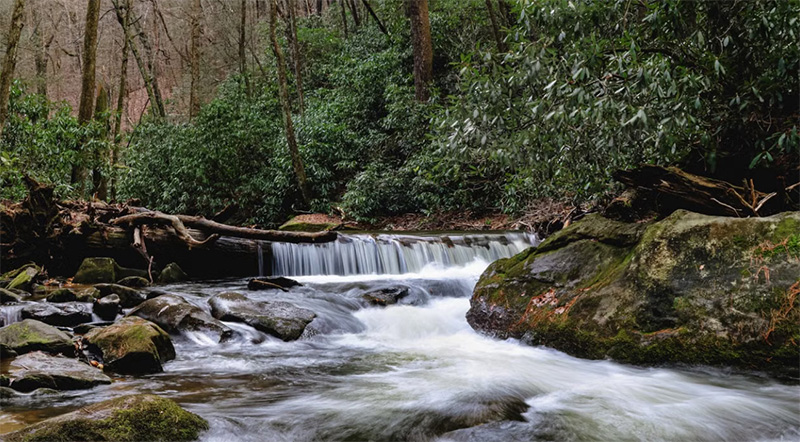
The Blue Ridge Mountains carry a reputation for sweeping overlooks, smoky dawns, and winding roads. Fair enough. Yet that postcard version misses quieter marvels tucked beneath rhododendron tunnels and behind ridges that keep counsel. Hidden waterfalls define the range better than any scenic pull-off ever could. They don’t announce themselves with giant signs. They whisper. A hiker notices cooler air first, then darker soil, then the steady sound of water on stone. That is the real drama here. Water carving rock year after year, while crowds race toward the next overlook as if beauty only counts with guardrails.
Where Silence Breaks
A hidden waterfall never appears all at once. That would be too easy. Instead, the forest stages the encounter. First comes the hush in the canopy. Then the low percussion of water striking rock. Then a flash through hemlock trunks, silver and quick. The approach sharpens attention. A person notices moss, exposed roots, and the mineral smell from wet stone. That slow reveal turns a simple sight into an event. Blue Ridge falls often sit in coves shaped by old erosion, where softer rock gave way and harder ledges held firm. Geology writes the script. Water performs it.
Paths That Resist Ease
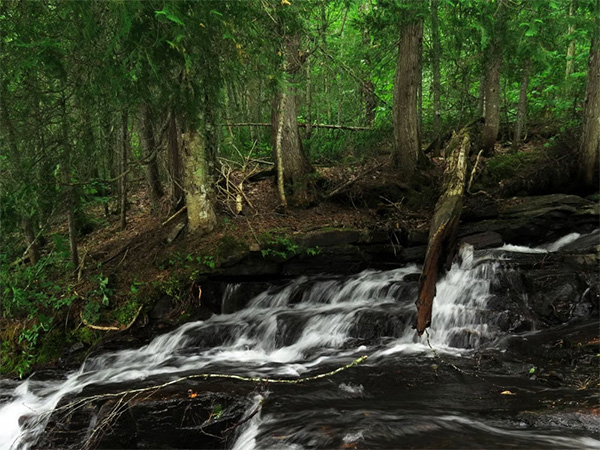
The finest cascades in these mountains rarely sit beside broad, polished trails. They hide off spur paths, old logging grades, and creekside routes that demand patience instead of swagger. That isn’t a flaw. It’s a filter. Easy access invites noise, litter, and the modern habit of treating every quiet place like a backdrop. Rough paths preserve dignity. Mud grabs boots. Loose stones punish carelessness. Summer humidity presses down like a wet hand. Good. A landscape should ask something in return. The Blue Ridge has always rewarded effort rather than entitlement. The path becomes part of the waterfall, not just a hallway.
Seasons Shift the Voice
A waterfall in spring is not the same creature seen in August or January. Snowmelt and rain feed a stronger rush in early months, and the whole chute seems to argue with gravity. Summer changes the mood. Ferns crowd the banks. Pools darken. The flow may narrow, yet intimacy grows because every sound carries through thick green shade. Autumn adds spectacle, though leaves often distract from the harder fact that water remains the mountain’s true artist. Winter strips away sentiment. Ice rims the rocks. Spray freezes in delicate ridges. A fall that looked playful in June can seem severe in cold weather.
Why Secrecy Matters
Not every beautiful place benefits from fame. This should be obvious, yet travel culture often acts as if discovery only matters after mass exposure drains it of mystery. Hidden waterfalls survive because some remain hard to find, lightly marked, or known through local memory. That kind of partial secrecy protects fragile banks, salamander habitat, and thin soils that collapse under crowds. It also protects the experience itself. Solitude is not a luxury in these coves. It’s part of the structure. Strip away quiet, and the whole thing loses proportion. The Blue Ridge doesn’t need every cascade turned into a viral destination. It needs restraint.
These waterfalls offer more than scenic pleasure. They correct bad habits of attention. They force slowness in a culture obsessed with speed. They reward observation over consumption, effort over convenience, and humility over display. That is why they linger in memory longer than famous overlooks or crowded visitor centers. A concealed cascade seen after a steep descent carries the force of earned revelation. Water keeps moving. Rocks keep yielding. The forest keeps guarding these small chambers of sound and mist. Plenty of travelers come to the Blue Ridge searching for views. The wiser ones leave remembering the places they almost missed.
Photo Attribution:
Ast & featured image by https://www.pexels.com/photo/cascading-waterfall-on-mossy-rocks-10873634/
2nd image by https://www.pexels.com/photo/flowing-stream-in-the-forest-8506558/