Train Travel Basics in Europe
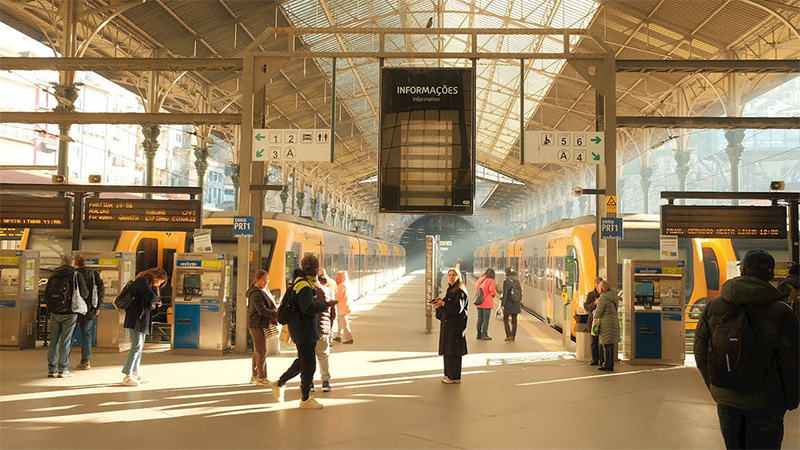
European trains confuse people who think in airport logic. Seats, tickets, platforms, numbers everywhere, but nothing quite works like planes. And that’s the strange charm. The network grew old first, then clever. So travelers step into a moving history lesson that runs mostly on time. Tickets don’t always equal reservations. Conductors still matter. And luggage rests above heads, not behind conveyor belts. Anyone who understands a few core habits, how to read boards, validate tickets, board fast, and watch fellow commuters, suddenly stops feeling lost and starts feeling clever, even relaxed.
Tickets, Passes, and Other Traps
The ticket system looks simple until it doesn’t. One city, one country, one pass, one random surcharge hiding in fine print. And every company swears it’s obvious. National rail sites sell point‑to‑point tickets; third‑party sites bundle passes and reservations. So short hops inside one country often cost less with basic advance tickets. Long multi‑country trips sometimes favor rail passes, but only when someone actually rides a lot. And passes rarely include seat reservations on fast trains, which annoys people who assume “pass” means “everything.” It doesn’t. Not even close, frankly.
Reservations, Seats, and Standing Confusion
A ticket lets a traveler board; a reservation tells the train where that traveler sits. And those two things don’t always travel together. Regional trains in many countries skip reservations completely: first come, first seated, no drama. High‑speed lines like TGV, Frecciarossa, and some ICE routes love mandatory reservations, sold separately from passes. So someone with a rail pass still buys a seat. Or stands, when trains fill up. Seat numbers live on small digital or paper displays above windows, which people ignore at their own risk, then argue mid‑journey, loudly.
Reading Boards, Platforms, and Car Numbers
Stations look chaotic only to people who stare at the wrong thing. The big departure board rules everything: train number, destination, departure time, platform. And that train number matters more than the city name, since multiple trains head toward the same big city. So travelers watch for the number, then the platform, then the section markers on the platform that match car positions. Long trains split, merge, or drop cars mid‑route, so car numbers matter more than vibes. Boarding the wrong half sends someone to the wrong town, smug and wrong.
Luggage, Food, and Train Etiquette
Trains don’t babysit luggage. Travelers haul bags aboard, lift them onto racks, or stuff them into corners near doors. And huge suitcases attract side‑eye from everyone. Small rolling bags win every time. Many longer trains carry bistros or trolleys; regional ones expect travelers to bring snacks. Quiet cars mean quiet, not whispered conference calls. So feet stay off seats, aisles stay clear, and tickets stay handy for conductors. Night trains raise the stakes: shared cabins, limited space, and an unspoken rule that nobody behaves like it’s their living room.
European train travel rewards attention more than bravery. Anyone who reads the board, respects reservations, and keeps luggage small already behaves like a local. And the system gives something planes can’t: city‑center to city‑center travel without security theater or endless queues. Delays happen, connections break, conductors shrug and improvise. So flexibility becomes the secret ticket upgrade. Missed train? Catch the next one, rebook, adapt. The network keeps moving, and travelers who match that rhythm stop collecting horror stories and start collecting very smug arrival photos and memories, happily.
Photo Attribution:
1st & featured image by https://www.pexels.com/photo/busy-porto-train-station-interior-scene-35496713/
2nd image by https://www.pexels.com/photo/man-holding-a-suitcase-18799888/