A Complete First-Timer’s Guide to Tokyo
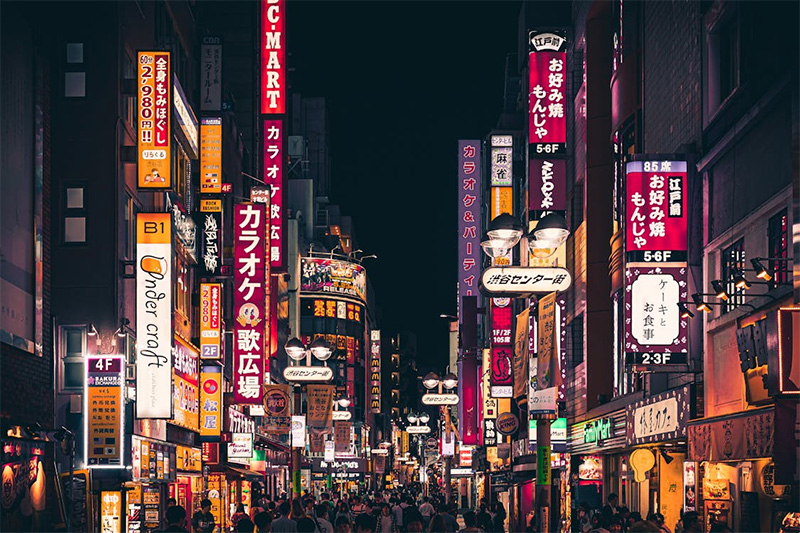
A city that runs on both speed and ceremony, few first-timers can quite brace themselves for what Tokyo delivers. It’s not hyperbole, it’s fact: stepping off the Narita Express is like falling into a pinball machine, one lit by the blinding glow of vending machines and temple lanterns alike. Every street, another contradiction. A ramen counter jammed next to a centuries-old shrine; businessmen in suits weaving past teenagers dressed for a Harajuku carnival. Forget everything learned about cities, this place doesn’t follow those rules. The only certainty? Curiosity gets rewarded here, again and again, each time with something nobody expects.
Getting Around Like a Local
Tokyo’s train system, it intimidates at first sight. Too many lines, too many colors splashed across maps like someone lost control of a paint set. Ignore the panic. With a prepaid Suica or Pasmo card, suddenly doors swing open everywhere: subway gates click, buses whir to life. Don’t even try figuring out every route; just trust signs marked in English do appear when needed most. Rush hour doesn’t play games, the crowds surge fast and stop for no one, but there’s order inside this chaos. Etiquette matters here: stand to one side on escalators (always the left), silence phones, bow slightly if bumping into someone.
Where to Stay Without Regret
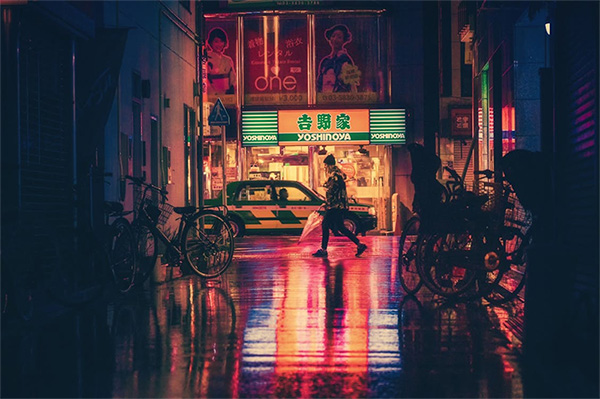
Options overwhelm, luxury tower hotels up north in Shinjuku; capsule pods wedged like beehives throughout Shibuya; traditional ryokan hiding behind wooden doors in Asakusa or Yanaka’s old backstreets. Not all beds are created equal though. Those chasing convenience can’t do better than lodging near major stations, Tokyo or Shibuya especially, where trains spin out in every direction before sunrise even hits Mount Fuji’s distant silhouette. Someone after quiet should target neighborhoods like Meguro or Kagurazaka instead: less neon glare, more breathing room but still close enough for adventure on demand.
Eating With Both Eyes Wide Open
The sushi myth? It’s true, and yet not complete by half. Real food discovery means hunting down steaming bowls of tonkotsu ramen under railway bridges at midnight or jostling elbows with locals at yakitori joints covered in smoke and laughter somewhere deep inside Omoide Yokocho (“Memory Lane”). Convenience stores shock with their own magic: egg salad sandwiches so soft they barely exist; bento boxes assembled as if art projects gone edible. Nobody leaves hungry in this city, not unless they’re ignoring every glorious scent wafting from each alleyway.
Sights That Burn Into Memory
Skytree soars above it all, a steel declaration, that modern ambition refuses subtlety here. Shrines wait quietly underneath cherry trees at Meiji Jingu, incense curling upward beside tourists who stare without blinking because they simply can’t believe the shift from electricity to ancient wood happens so fast between blocks. Shopping districts roar along Cat Street but step over two roads, the calm of Nezu Shrine calls instead, dusted with camellias and tranquility rarely seen anywhere else on earth. This isn’t sightseeing, it’s immersion.
No map tells the whole truth about Tokyo, too much hidden behind noren curtains or revealed only after sunset hushes the rush-hour stampede down to a whisper somewhere near Ginza lights flickering awake yet again. The honest advice? Don’t chase completeness; it never arrives thanks to sheer volume and surprise lurking around every corner here anyway. Walk till shoes protest gently then ride the rails just one more stop further than planned, a reward always waits where least expected among these streets that never sleep long enough for any story to really end.
Photo Attribution:
1st & featured image by https://www.pexels.com/photo/people-walking-on-the-street-2506923/
2nd image by https://www.pexels.com/photo/side-view-of-woman-in-illuminated-city-at-night-315191/