How to Travel Italy by Train
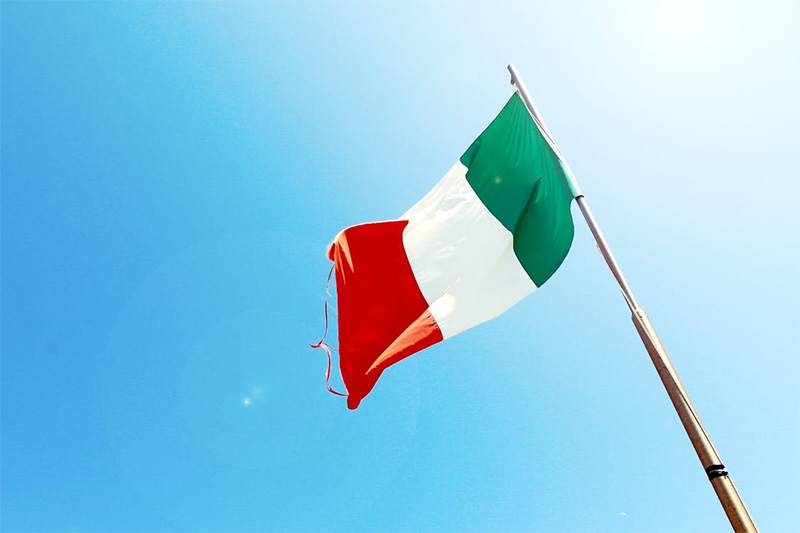
A country with more train routes than many travelers realize, Italy ties its regions together on tracks that slice through valleys and countryside. Forget those winding bus transfers that drag on all afternoon. The rails slice time in half, Florence to Rome in under two hours, anyone? Yet the real trick isn’t just hopping a train; it’s understanding the rhythm behind them. Stations buzz with espresso-fueled urgency, but miss a connection and suddenly the schedule rules everything. A traveler armed with basics, notebooks, tickets, patience, quickly sees how trains unlock not only convenience but also a quite different view of Italy itself.
Choosing Your Routes Wisely
No one wants endless stops in towns no guidebook bothers to mention. Direct routes win every time, and high-speed trains like Frecciarossa and Italo set the gold standard between major cities. Slow regional trains have their place, sure; think Cinque Terre or smaller gems up north where speed is secondary to scenery. Still, mixing both can save money and reveal corners untouched by tour groups snapping selfies en masse. Don’t blindly follow an app suggestion. Cross-check routes with Trenitalia’s own site or ask station staff who’ve seen every rookie mistake twice this morning alone.
Tickets: To Book or Not To Book?
Those who roll up without tickets during rush hour live dangerously, or foolishly. For long-distance journeys or travel during holidays? Pre-booking isn’t just wise; it’s necessary unless standing in corridors for three hours sounds appealing. Regional trains are another story: they offer flexibility since tickets don’t tie you to a specific seat or departure time. Just remember: buying online often includes small discounts while counter purchases might cost extra minutes (and sometimes euros). One universal rule never changes, always validate paper tickets before boarding unless holding an e-ticket safely glowing on a smartphone.
Station Survival Skills
Italian stations pulse with their own tempo, a cacophony of announcements and power-walking commuters heading everywhere at once. Arrive early if unfamiliar with the layout; some platforms hide across tunnels, stairs, or entire shopping centers masquerading as transport hubs. Schedules change last-minute, so eyes glued to departure boards become essential (forget relying solely on apps here). Hungry? Snack options range from sad croissants to surprisingly good panini next door to ticket windows, it’s worth scouting out choices before settling in for bland coffee near Platform 10.
Navigating Onboard Experiences
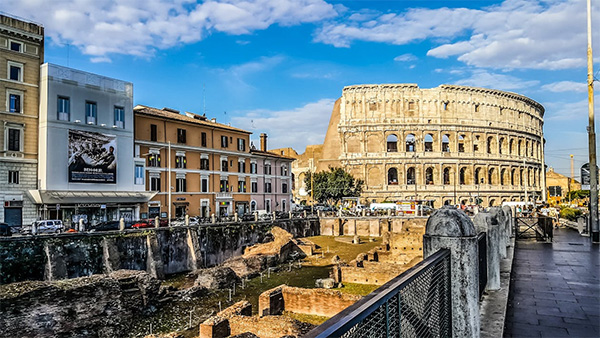
Once seated aboard, if lucky enough to land a reserved spot, the world outside transforms into rolling cinema: olive groves flicker past windows while locals debate football scores over muffled phone calls nearby. High-speed lines usually feel smooth and whisper-quiet; regional cars may rattle loudly enough to drown conversations completely. Luggage racks come first-come-first-served, don’t expect space if boarding late at major junctions. And never count on perfect Wi-Fi connections despite promises plastered everywhere; pack offline maps, snacks, even an old-fashioned paperback for stubborn stretches between cell towers.
Efficient travel across Italy looks simple from afar but rewards those who read timetables like seasoned pros, or at least consult them regularly enough not to miss crucial connections outside Milan or Napoli Centrale after dark. Trains aren’t just about fast arrivals; they reveal layers of daily life invisible behind car windshields or airport queues clogging up patience faster than espresso shots disappear at dawn counters nationwide. Master the network even halfway well, and suddenly iconic destinations line up within reach, all thanks to the rails humming beneath Italian cities day and night.
Photo Attribution:
1st & featured image by https://www.pexels.com/photo/flag-italy-7522/
2nd image by https://www.pexels.com/photo/the-colosseum-rome-532263/