Traditional Festivals Worth Traveling For
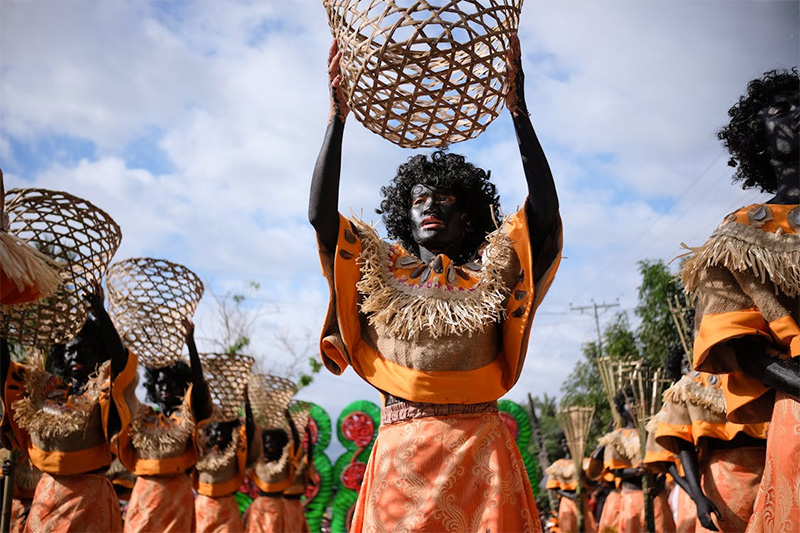
Airfare gets cheaper. Hotels get louder. Travel blogs multiply like fruit flies. None of that explains why certain dates on the calendar still pull sane adults across oceans, into crowds, toward noise, smoke, salt, drums, and the strange comfort of doing something old in a world obsessed with the new. Traditional festivals do something modern entertainment can’t. They don’t ask for attention, they take it. They collapse history into the present tense, then dare spectators to keep up. Forget “authentic experiences” as a slogan. The serious stuff feels messy, local, slightly inconvenient, and worth the trouble.
Gion Matsuri, Kyoto
Kyoto in July turns the polite idea of a parade into a moving cathedral of wood, rope, and civic pride. The floats don’t roll by like disposable props. Teams build them, guard them, argue over them, and steer them through tight streets with the focus of surgeons and the bravado of athletes. This started as a response to plague, which feels uncomfortably current for anyone paying attention. Music pounds from the floats, lantern light softens the night, and the city becomes a public living room where strangers share sidewalks and snacks without pretending it’s curated. What this signals is continuity, not nostalgia.

Día de los Muertos, Mexico
People who call it “Mexican Halloween” miss the point, then miss it again for good measure. This festival doesn’t dress death up to make it cute. It invites death to dinner, gives it a chair, and tells it to behave. Altars stack photos, marigolds, candles, bread, and small objects that look trivial until the story behind them lands hard. Families clean graves. Bands play. Streets fill with color that refuses to act solemn, because grief can’t stay formal forever. A traveler who shows up with respect sees a society practicing memory as a shared skill, not a private breakdown.
Holi, North India
Holi looks like chaos because it is chaos, the bright kind that scrambles status for a day and exposes how much social order rests on everyone agreeing to act stiff. Colored powder flies. Water hits. Songs blare. Nobody stays pristine, which means vanity loses its grip. The festival marks the arrival of spring, the victory of good over bad, and a long list of regional stories that refuse to compress into one tidy summary. This isn’t a spa retreat. It’s a public surrender to play, with sharp edges. Skin stings from dye. Crowds press in. The reward comes anyway.
Up Helly Aa, Shetland
Shetland in winter offers a lesson in how humans fight darkness with spectacle and a little danger. Up Helly Aa sends torch-bearing marchers through Lerwick, singing, stomping, and dragging a Viking longship toward its fiery end. The ship burns. The night answers with smoke and sparks. This does not pretend to recreate the Viking age with museum accuracy, and that honesty helps. It’s a modern community ritual with old symbols, built on volunteer work, discipline, and a shared appetite for pageantry. After the flames, halls fill with music and dancing that lasts until morning.
A good festival doesn’t exist to entertain outsiders, and that’s why outsiders should travel for it. These events come from specific places with specific weather, food, jokes, and grudges. They also come from fear, hope, harvest cycles, disease, migration, and the stubborn need to mark time with more than phone notifications. The best approach involves humility and basic manners. Learn a few local rules. Ask before photographing faces. Spend money where residents spend it. Skip the urge to “optimize” the day like it’s a productivity hack. Travel for festivals to witness a community talking to itself out loud. That sound stays.
Photo Attribution:
1st & featured image by https://www.pexels.com/photo/traditional-cultural-festival-parade-dancers-30327233/
2nd image by https://www.pexels.com/photo/traditional-geisha-in-kyoto-japan-portrait-31408325/
-
 Interesting Facts You Need to Know in Booking Low Cost Airline Tickets
-
 How to Avoid Work-Related Problems Before Heading on a Trip
-
 An Epic 2-Week Itinerary for Vietnam: From Hanoi to Ho Chi Minh City
-
 Things to Do Before Traveling to Cancun
-
 These Places Might Be Remote, But Are Totally Worth Visiting

