The Carry On Tricks Frequent Flyers Actually Use
Air travel punishes sloppy packing with almost comic precision. A charger disappears. A passport hides. A neat bag turns chaotic at the gate. Frequent flyers don’t have secret powers. They just stop treating a carry on like a random closet with a zipper. The difference isn’t style or status. It’s system. Airlines keep shrinking space, tightening rules, and charging for mistakes. Smart travelers answer with bags that work like tools. That means packing for access, not just for volume, and moving through the airport without turning every stop into a scavenger hunt.
Pack by Function
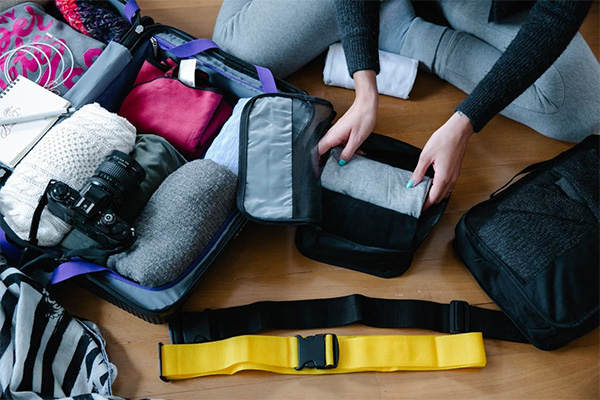
Frequent flyers rarely pack by category alone. That method looks tidy and often fails when something is needed fast. Veterans pack by use. One pouch for in-flight basics. One cube for the first night. One kit for work gear. The point isn’t beauty. It’s access under pressure. At security, at boarding, or in row 22 when the seatbelt sign stays on, the right item needs to appear in seconds. That shift saves time, cuts stress, and stops the ugly airport ritual of digging through a bag while half its contents spill out.
Wear the Bulky Stuff
Heavy shoes, jackets, and thick sweaters often belong on the body, not in the bag. Experienced travelers wear the biggest items onto the plane even if they don’t need them all day. That frees space and helps with weight limits. Airports are also absurd little weather machines. Warm at check-in. Cold at the gate. Colder in the air. Layers handle that better than a stuffed suitcase. Pockets matter too. A jacket can hold a phone, passport, charger, and earbuds during boarding. This isn’t fashion. It’s logistics, and good logistics beat good intentions every time.
Build a Security Kit
The checkpoint exposes weak packing habits fast. People fumble for liquids, untangle electronics, and act surprised by metal. Regular flyers strip the process down before leaving home. Liquids stay in one clear bag near the top. A laptop sits where it can come out fast. Keys, coins, and a watch go into one pocket or pouch before the line starts moving. That turns security into routine instead of theater. The same rule helps after the checkpoint. Wallet, passport, phone, and earbuds should live in one repeatable place. Airports punish improvisation. Calm usually comes from preparation.
Leave Space on Purpose
Amateurs treat every empty inch like wasted space. Veterans leave a margin. That room handles a sandwich, a book, a charger stuffed away during a rushed connection, or the small things picked up on the way home. A carry on packed to the limit becomes useless the moment real travel begins. Compression cubes can help, though they also tempt people to bring too much. Restraint matters more. The best trick is simple. Pack for one less scenario than anxiety demands. Most forgotten items can be bought. Empty space isn’t waste. It’s insurance.
Frequent flyers don’t win because they buy expensive luggage or chase clever airline loopholes. They win because they remove friction before it appears. The bag gets organized around moments, not objects. Bulky clothing stays on the body. Security becomes smooth because the essentials sit where they should. Space remains open because travel never unfolds exactly as planned. That is the real lesson inside a small suitcase. Good travel habits aren’t glamorous. They’re mechanical. Repeatable. Slightly obsessive. That obsession pays off when boarding starts, overhead space shrinks, and everyone else begins wrestling with a bag packed with hope instead of discipline.
Photo Attribution:
1st & featured image by https://www.pexels.com/photo/low-angle-shot-of-a-flying-comercial-airplane-18470204/
2nd image by https://www.pexels.com/photo/unrecognizable-person-packing-clothes-9185880/