How to Learn Crucial Phrases in a New Language Fast
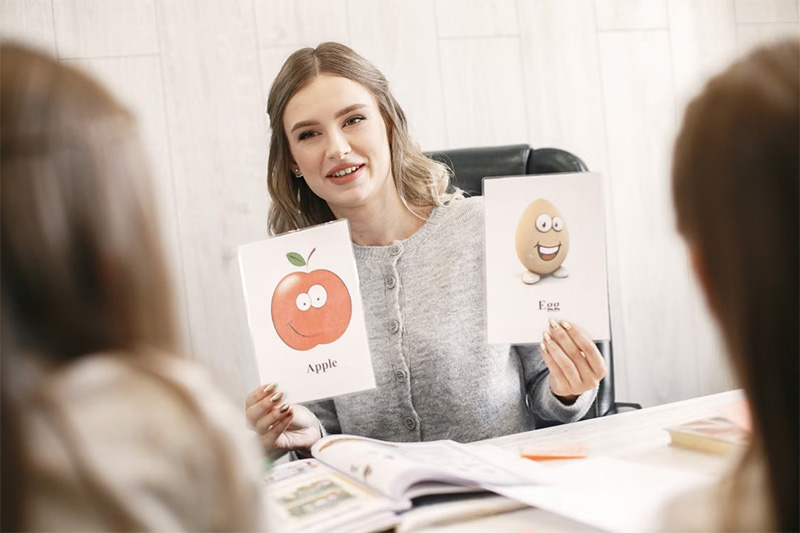
Speed matters at the start of language learning. Not grammar charts. Not giant vocabulary lists stuffed with odd words. The beginner needs phrases that unlock real life fast. Food. Directions. Greetings. Help. Numbers. Time. These small verbal tools turn panic into motion. Schools often miss this because they love order, while life is messy. A traveler at a station doesn’t need a lecture on verb families. A worker meeting new colleagues doesn’t need abstract theory. The learner needs a survival kit that gets into memory quickly, cleanly, and in spoken form.
Start With Need
Most people waste early study time on the wrong material. They chase whatever a textbook puts on page one, as if the book knows their life. It doesn’t. The smart move is simple. List the situations that will happen first. Ordering coffee. Saying hello. Asking where something is. Explaining that the speaker is learning. Asking someone to repeat that. Paying. Apologizing. Thanking. These phrases matter because they appear again and again. Frequency beats elegance. A phrase used ten times a day will stick faster than a fancy sentence admired once and forgotten by dinner.

Train the Ear First
People love to stare at words on a screen and call it studying. That feels safe. It also creates weak knowledge. A phrase isn’t alive until the ear recognizes it at full speed and the mouth can fire it back quickly. Sound comes first. Listen to short recordings of crucial phrases spoken by native speakers. Repeat them out loud right away. Copy the rhythm and stress. Mimic like an actor, not like a scholar. Reading can help, though printed text often tricks learners into thinking they know more than they do. The mouth tells the truth.
Build Tiny Phrase Sets
Memory hates clutter. Give it a mountain and it shuts down. Give it five useful phrases linked by one situation and it gets to work. That is why phrase sets beat giant lists. Make one set for restaurants. One for transportation. One for introductions. One for emergencies. Keep each set tiny at first. Then swap one word to create variations. “Where is the station?” becomes “Where is the bathroom?” and then “Where is the hotel?” One structure now carries several needs. Rapid progress comes from controlled variation, not endless novelty.
Use Them in the Wild
Private practice has limits. At some point the phrase must leave the notebook and survive contact with another human being. That moment scares learners because real conversation is messy. Excellent. Mess is where memory hardens. Use the phrases with cashiers, language partners, neighbors, or waiters. Keep the exchange short. Short is powerful because it lowers pressure and raises repetition. A thirty-second interaction can teach more than an hour of silent review. Perfect accuracy matters less than quick, usable output at the beginning. Fluency grows from repeated contact, not from hiding until every sentence looks polished.
Fast progress in a new language doesn’t require genius or expensive software. It requires ruthless selection. Pick the phrases that solve immediate problems and carry social force. Hear them often. Say them often. Group them by situation. Then use them in real exchanges before comfort arrives, because comfort is lazy and memory respects action. Plenty of learners stall because they confuse preparation with performance. Language works the same way as any skill. The learner who masters fifty crucial phrases and uses them boldly will move farther, faster, than the learner who studies hundreds of isolated words in safety.
Photo Attribution:
1st & featured image by https://www.pexels.com/photo/woman-holding-card-illustrations-7156130/
2nd image by https://www.pexels.com/photo/men-on-couch-with-guitar-7447172/
-
 Reasons for Visiting the Lovely Nassau, Bahamas
-
 Ways to Maximize the Opportunity to Learn During Your Trip
-
 The Splendor of Spain’s Andalusia: Flamenco, Food, and Festivals
-
 Pet-Friendly Explorations: Keeping Your Furry Friends Safe on Trips
-
 Want to Try the Best Street Foods Around the World? Here’s Where You Should Go

